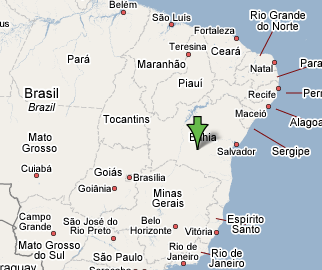
The Tuxá are an Indigenous nation whose ancestral territory lies along the São Francisco River in northeastern Brazil. Their identity is deeply connected to the river’s ecosystems, which have shaped their agricultural practices, spirituality, and social structure for centuries. Known for their traditional fishing, riverine rituals, and communal governance, the Tuxá maintain a worldview that emphasizes harmony with nature and reverence for ancestral knowledge. Their language and sacred ceremonies continue to serve as living threads of memory and resistance, grounding them in a land-and-water-based existence that predates colonial boundaries.
The Tuxá have faced profound challenges, particularly the forced displacement caused by the construction of the Sobradinho Dam in the 1980s. This hydroelectric project flooded much of their ancestral territory, submerging sacred lands and destroying vital ecosystems that sustained their traditional way of life. Since then, the Tuxá have struggled with relocation, loss of cultural continuity, and limited governmental support. Ongoing threats from agribusiness expansion, water pollution, and inadequate land restitution processes continue to jeopardize their sovereignty and survival. Despite formal recognition, many Tuxá communities remain in precarious conditions, fighting for justice and reparation.
What is profoundly uplifting about the Tuxá is their unwavering dedication to reclaiming both land and cultural heritage. They have engaged in sustained advocacy to recover flooded territories, rebuild their communities, and preserve their spiritual relationship with the São Francisco River. Cultural revitalization efforts include the reintroduction of traditional rituals, storytelling practices, and collective farming based on ancestral methods. Tuxá youth are leading new initiatives in education, environmental defense, and political mobilization, ensuring that their legacy remains vibrant. Their journey stands as a powerful example of how resilience and cultural memory can transform displacement into a movement for renewal and dignity.