The Upper Balong are an Indigenous nation residing in the interior highlands of Sabah, on the island of Borneo in Malaysia. Closely tied to the land through generations of subsistence farming, forest stewardship, and river-based living, the Upper Balong maintain traditional practices shaped by the rhythms of the environment. Their cultural identity is reflected in ancestral customs, oral histories, and community rituals that foster a deep connection to the highland ecosystems. Traditional governance and kinship networks remain central to social cohesion, preserving a unique way of life that continues to withstand external pressures.
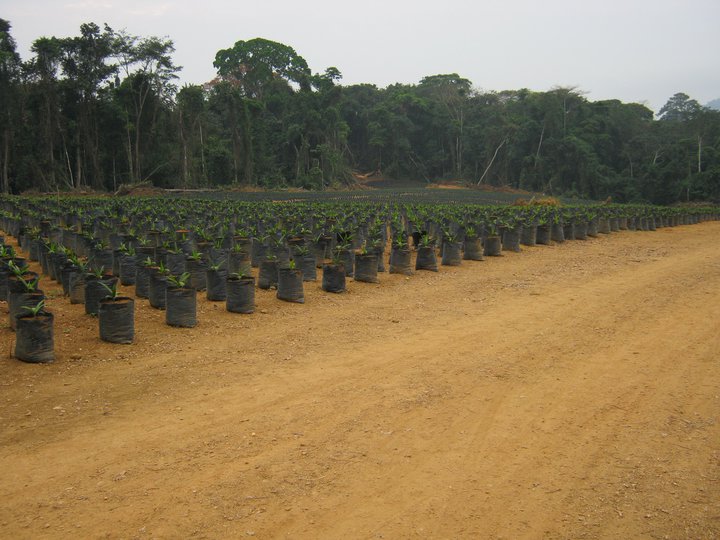
The Upper Balong face serious challenges due to encroaching development, logging, and agribusiness operations that threaten both their territory and livelihood. Land tenure insecurity, often compounded by weak legal protections, leaves ancestral lands vulnerable to seizure and ecological degradation. Additionally, modernization policies and centralized education systems have marginalized Indigenous languages and cultural knowledge, creating generational divides and weakening traditional practices. Economic exclusion and limited access to healthcare and infrastructure further compound the struggle for dignity and sustainability within Upper Balong communities.
What is uplifting about the Upper Balong is their determination to protect both their land and cultural heritage. Through grassroots organizing, storytelling, and land mapping initiatives, they are asserting their rights and reclaiming visibility. Elders are working alongside youth to revive traditional crafts, ceremonies, and ecological knowledge, ensuring that cultural continuity is passed forward. Environmental stewardship projects led by the Upper Balong are helping to safeguard biodiversity while reinforcing the values of respect and reciprocity. In the face of adversity, their resilience reflects a powerful vision of Indigenous renewal rooted in identity, resistance, and hope.