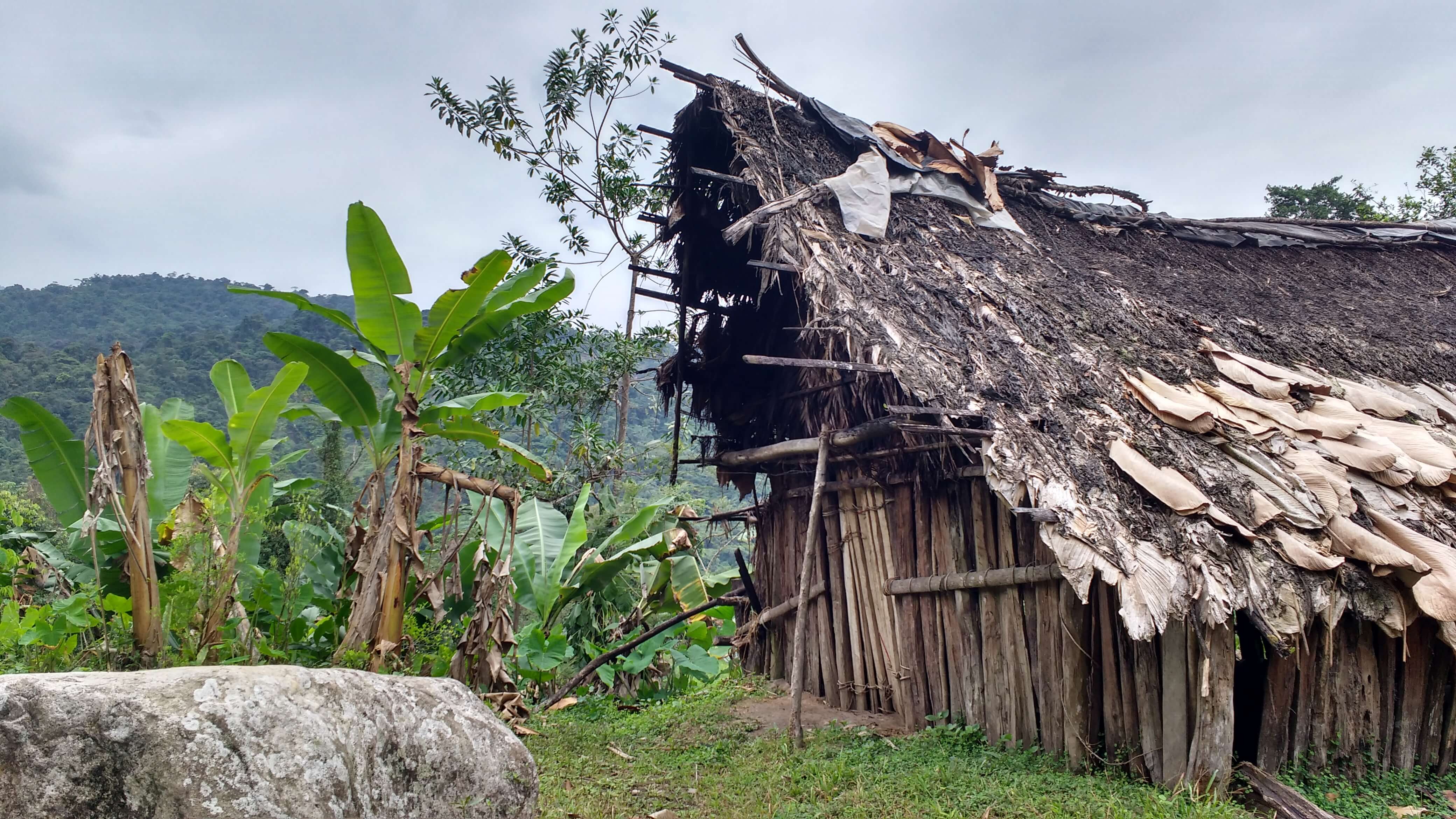
The U’wa are an Indigenous nation native to the cloud forests and Andean foothills of northeastern Colombia. Their ancestral territory spans lush highland valleys and rivers that they regard as sacred, forming the foundation of a cosmology centered on harmony between humans, nature, and spiritual forces. The U’wa language, ceremonial practices, and oral traditions reflect a worldview of balance, reciprocity, and deep ecological knowledge. Their identity is inseparable from the land, which they see not as a resource to be exploited but as a living entity deserving reverence and protection.
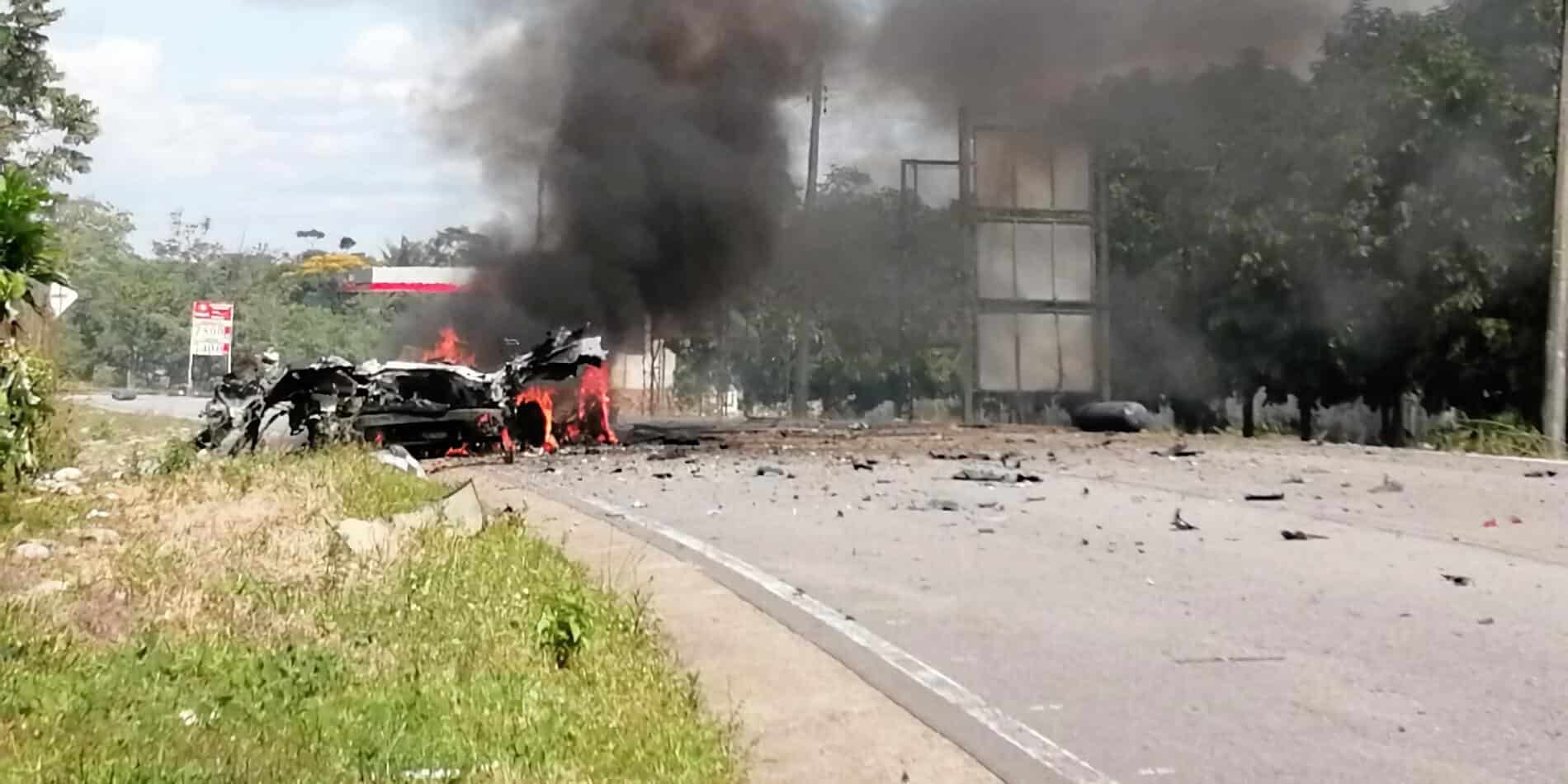
For decades, the U’wa have faced existential threats from oil exploration and extractive industries encroaching on their sacred lands. Multinational corporations, backed by state interests, have attempted to drill in U’wa territory, sparking fierce resistance from the nation. These confrontations have led to forced displacement, militarization, and the erosion of traditional livelihoods. Legal recognition of territorial rights has often been delayed or ignored, leaving the U’wa vulnerable to environmental degradation and cultural loss. Despite this, they continue to fight against colonial and capitalist forces that endanger both their existence and the ecosystems they protect.
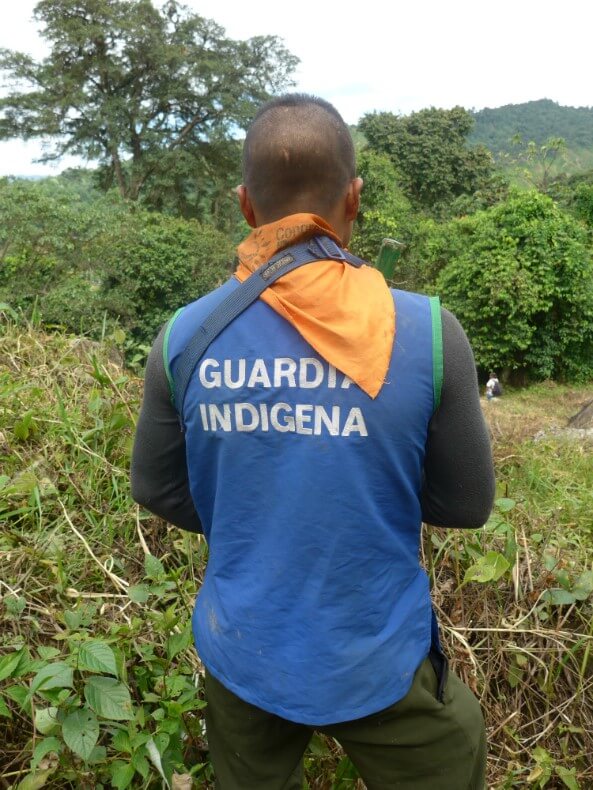
What is profoundly inspiring about the U’wa is their unwavering spiritual and political resistance to the destruction of their homeland. They have organized international campaigns, occupied drilling sites, and pursued legal action to defend their territory, all rooted in a sacred commitment to Mother Earth. Their leadership has helped ignite global conversations around Indigenous rights and environmental justice. Through language revitalization, community education, and sacred ceremonies, the U’wa are nurturing the next generation to carry forward this legacy. Their defense of life and land offers a powerful model of how Indigenous sovereignty and ecological stewardship can confront and transform extractive threats.