The Walinu Martu are an Indigenous nation of the Western Desert in Western Australia, with deep ancestral ties to the arid landscapes, songlines, and Dreaming stories that define their existence. Their name, “Martu,” broadly refers to those who belong to the desert, while “Walinu” emphasizes distinct kinship and linguistic affiliations within that broader identity. Traditional life centers on water sources, fire management, and a profound connection to Country—a living landscape imbued with spiritual meaning and ancestral presence. Knowledge is passed through ceremony, storytelling, and custodianship of sacred sites that carry cultural law across generations.
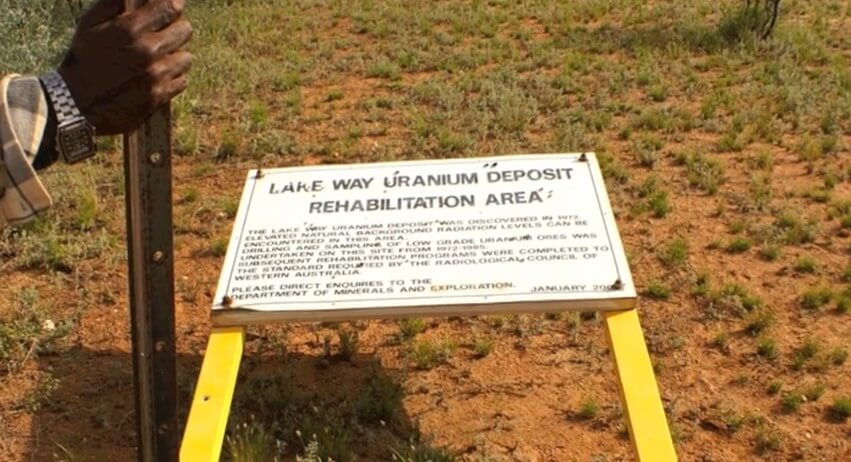
The Walinu Martu have faced significant disruptions due to forced removals, the legacy of the Stolen Generations, and the introduction of settler industries on their land. The expansion of mining operations, particularly for uranium and other minerals, has posed ongoing threats to sacred landscapes and environmental sustainability. Limited access to health services, education, and infrastructure has further compounded socio-economic disparities. Despite these challenges, the Walinu Martu have remained steadfast in their resistance to displacement and in their assertion of land rights under the framework of Native Title.
What is profoundly inspiring about the Walinu Martu is their leadership in cultural preservation and land management. Through programs such as Indigenous ranger initiatives and community-based fire management, they actively care for their Country using traditional ecological knowledge that modern science is only beginning to appreciate. Art, particularly desert painting, has become a powerful vehicle for storytelling, cultural transmission, and economic independence. By revitalizing language, ceremony, and intergenerational teaching, the Walinu Martu embody a resurgence rooted in ancestral strength. Their journey reflects a living blueprint of survival, resistance, and the enduring bond between land, identity, and spirit.