The Wayuu are an Indigenous nation inhabiting the arid Guajira Peninsula, which spans northern Colombia and northwestern Venezuela. Known for their strong matrilineal social structure, vibrant textile artistry, and resilient pastoralist lifestyle, the Wayuu maintain a deep spiritual and cultural connection to their desert homeland. The Wayuunaiki language plays a vital role in oral traditions, clan-based governance, and the transmission of cosmological beliefs that center around harmony, ancestral guidance, and the sacredness of land. Their identity is expressed in weaving, song, and storytelling—each reflecting centuries of wisdom and adaptation to a challenging environment.
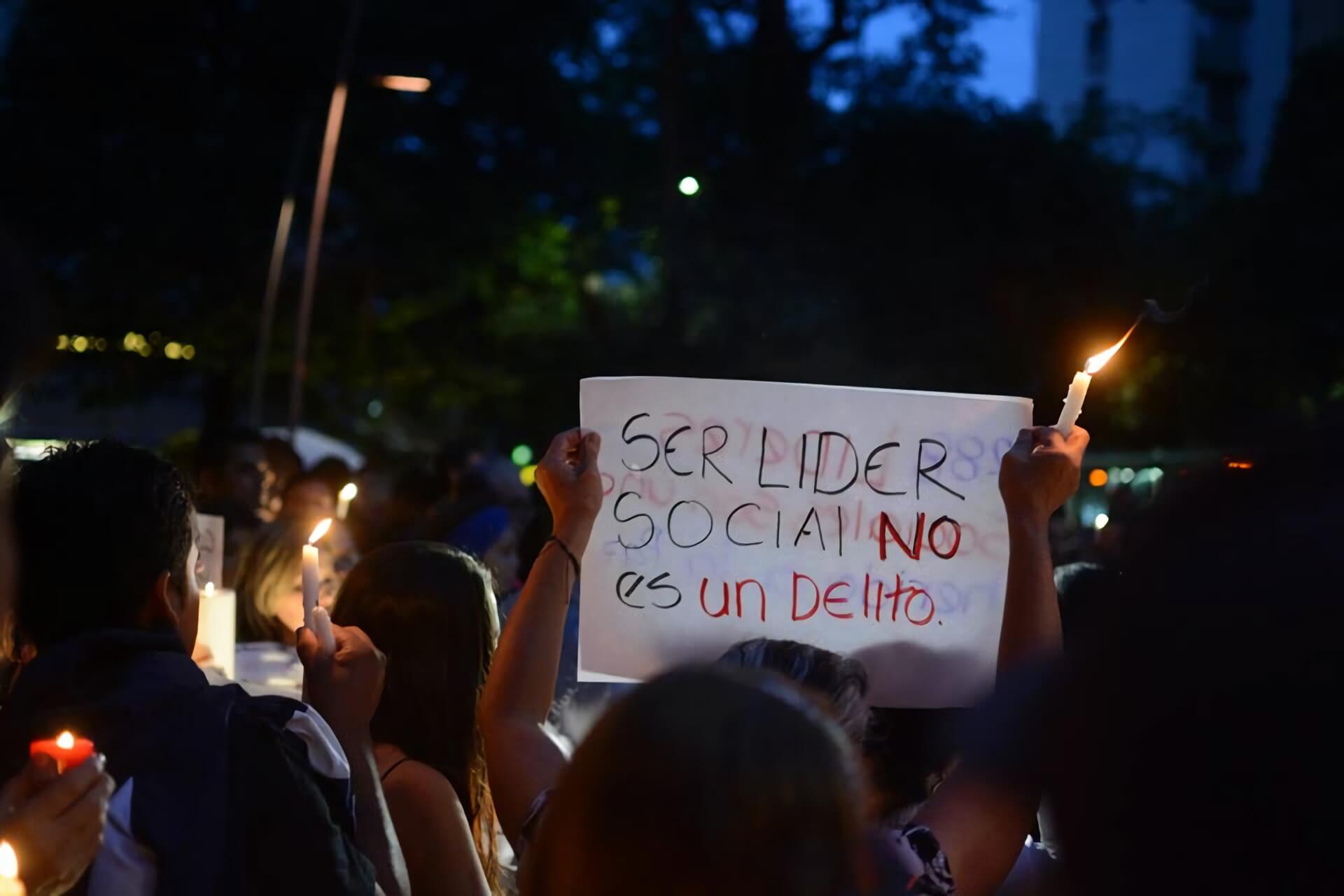
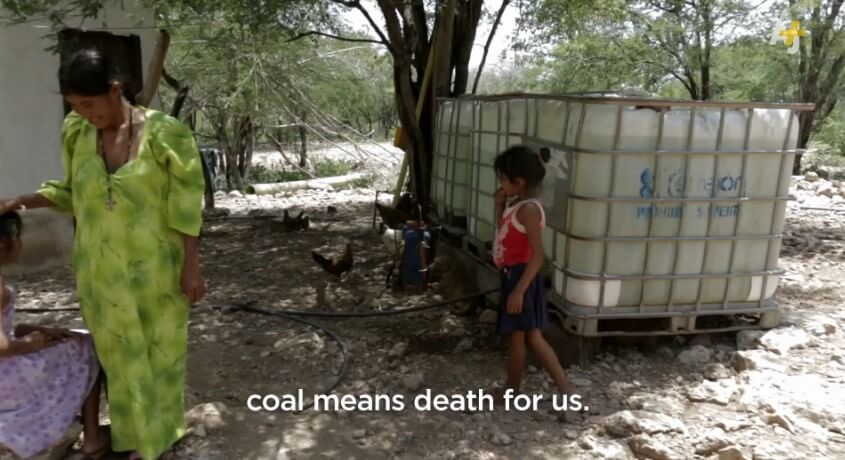
The Wayuu face serious challenges due to large-scale coal mining operations, water privatization, and governmental neglect. Projects such as the Cerrejón mine have disrupted local ecosystems, diverted rivers, and contributed to water scarcity in already arid regions. Many Wayuu communities suffer from malnutrition, inadequate healthcare, and lack of infrastructure—conditions worsened by state inaction and limited recognition of Indigenous rights. Cross-border tensions, climate change, and displacement have further strained traditional systems of governance and social cohesion. Despite these pressures, the Wayuu have continually resisted dispossession and fought for the protection of their territory and way of life.
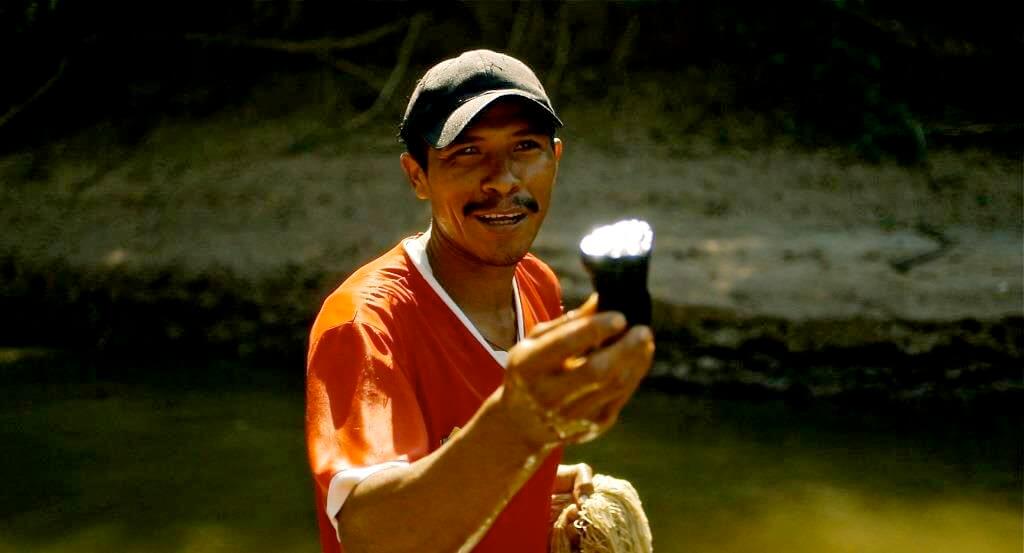
What is profoundly inspiring about the Wayuu is their cultural resilience and leadership—particularly that of women, who serve as clan leaders, artisans, and knowledge keepers. Through intricate weaving traditions, they pass down stories, ethics, and history while generating income and international recognition. Activists, educators, and elders have mobilized to defend water rights, preserve language, and strengthen community autonomy. The Wayuu have formed alliances across borders and gained global visibility for their environmental and cultural defense. Their vibrant artistry, fierce dignity, and enduring connection to land exemplify the power of Indigenous self-determination and intergenerational strength.