The Wet’suwet’en are an Indigenous nation whose ancestral territories span the northern interior of British Columbia, Canada. Organized through a traditional governance system known as the feast system, Wet’suwet’en society is structured around hereditary chiefs, clans, and house groups with distinct responsibilities tied to land stewardship and ancestral law. Their deep spiritual and cultural connection to forests, rivers, and wildlife is reflected in oral histories, ceremonies, and land-based practices passed down through generations. The Wet’suwet’en language, Dinï ze’, remains a cornerstone of their cultural identity and resistance.
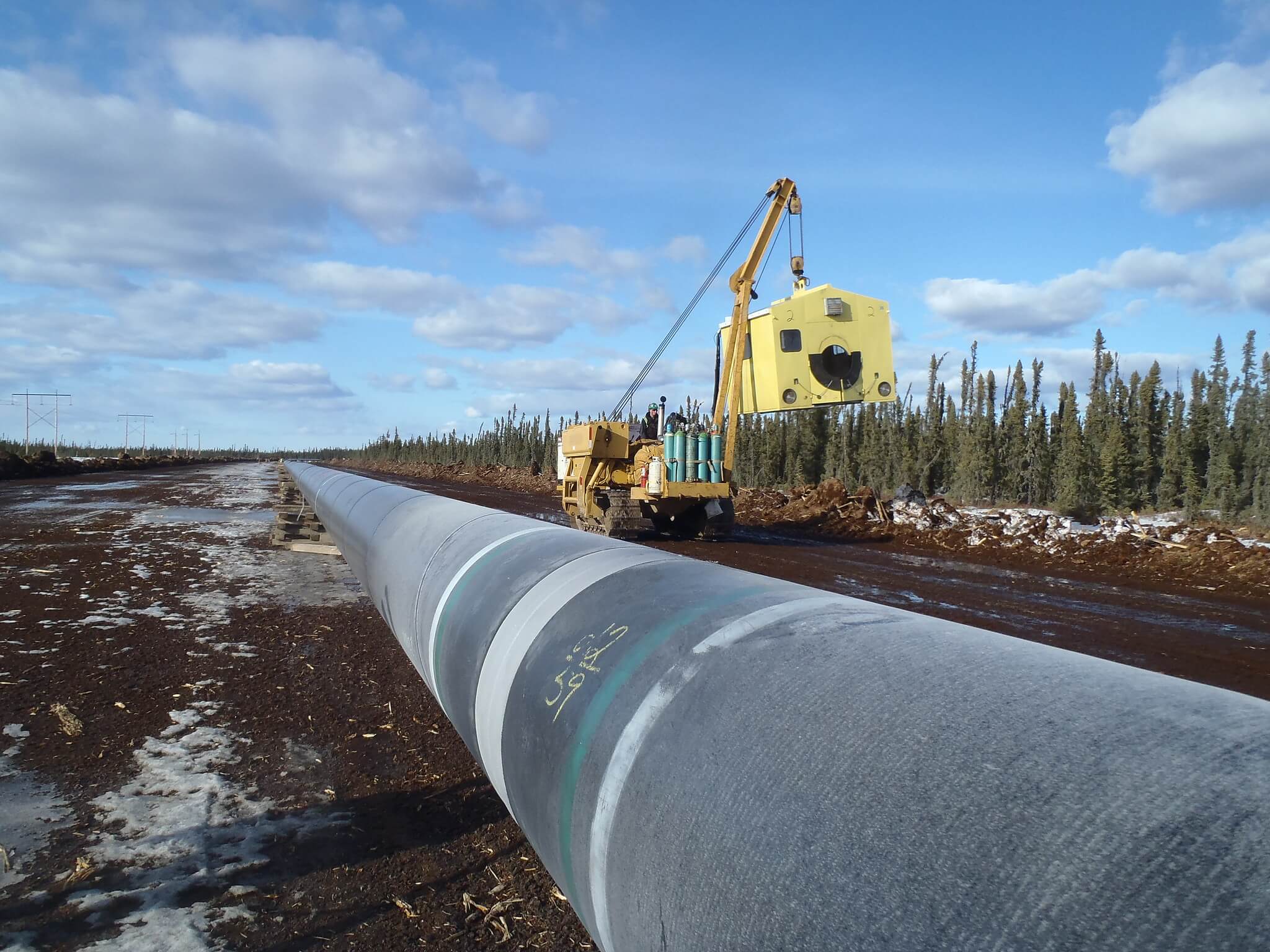
The Wet’suwet’en face significant challenges in their ongoing defense of unceded territory against industrial encroachment, particularly the construction of the Coastal GasLink pipeline. Despite strong opposition from hereditary chiefs, the Canadian government and corporate entities have proceeded with the project, leading to police raids, arrests, and national and international solidarity actions. This conflict highlights broader issues of Indigenous sovereignty, treaty violations, and environmental destruction. The imposition of elected band councils under the Indian Act has further complicated governance, often used to undermine traditional leadership in negotiations.
What is deeply inspiring about the Wet’suwet’en is their unyielding commitment to defending their laws, lands, and way of life. Through land reoccupation, cultural camps, and the exercise of traditional governance, they continue to assert jurisdiction over their territory without surrender or compromise. Their movement has sparked a national dialogue about Indigenous rights, decolonization, and climate justice, while also empowering younger generations to reclaim language, ceremony, and legal authority. The Wet’suwet’en demonstrate that ancestral law and spiritual strength can stand as a formidable force against colonial structures, offering a powerful vision of Indigenous resurgence rooted in land and legacy.