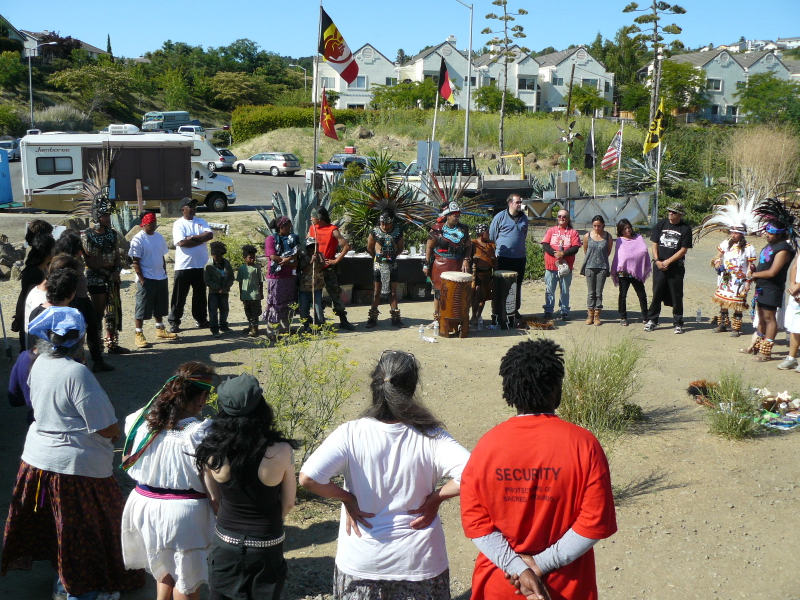
The Wintun are an Indigenous community from Northern California, with a history that spans thousands of years. Their culture is deeply connected to the land, particularly the fertile regions of the Sacramento Valley and surrounding areas. The Wintun have long been known for their sustainable practices, including their intricate knowledge of local flora and fauna, and their spiritual connection to the natural world. Traditional arts, such as basket weaving and storytelling, continue to play a central role in preserving their heritage, making the Wintun an integral part of the region’s cultural fabric.
The Wintun face numerous challenges, particularly the ongoing effects of colonization and environmental degradation. Their ancestral lands have been significantly reduced due to the encroachment of agricultural expansion, urban development, and the construction of reservoirs. The loss of these lands, along with the pollution of the Sacramento River and surrounding waterways, has threatened their traditional subsistence methods, including fishing and gathering. These environmental pressures, combined with social challenges such as economic marginalization and the loss of their native language, present ongoing struggles for the community’s cultural survival and resilience.
Despite facing these challenges, the Wintun remain committed to revitalizing their cultural practices and preserving their way of life. Their efforts to protect their sacred lands, restore the health of local ecosystems, and promote the use of traditional knowledge are commendable. Community-driven initiatives to teach younger generations their native language and cultural practices are vital to ensuring that Wintun heritage endures. The dedication to reviving their traditions while advocating for the environment serves as an inspiring example of resilience and cultural strength in the face of adversity.