The Xavante, also known as A’uwẽ, are an Indigenous community residing in the eastern region of Mato Grosso, Brazil. Historically nomadic hunters and gatherers, they have cultivated a rich cultural heritage characterized by dual-clan social structures, intricate initiation rituals, and a profound connection to the Cerrado biome. Their traditional practices, including log races and ceremonial rites, reflect a deep-seated commitment to communal values and environmental stewardship. Despite centuries of external pressures, the Xavante have maintained their linguistic and cultural identity, embodying resilience and adaptability.
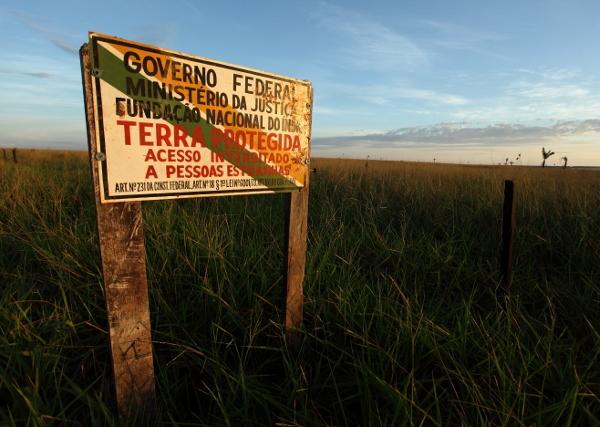
The Xavante encounter numerous challenges, including encroachment on their ancestral lands by agriculture, cattle ranching, and infrastructure projects. Such pressures have resulted in deforestation, biodiversity loss, and contamination of water sources, directly threatening their subsistence practices. Additionally, inadequate access to healthcare and education exacerbates social inequalities, impacting their overall well-being. These issues are intensified by frequent disputes with landowners and agribusinesses that further destabilize their traditional way of life.
Despite ongoing adversities, the Xavante remain staunch defenders of their rights and environmental preservation. Their active participation in national and international advocacy platforms has highlighted Indigenous rights issues, prompting increased awareness and support. Community-driven initiatives, including cultural revitalization projects, youth education programs, and collaborations with environmental organizations, illustrate their unwavering determination to protect their heritage and ecosystems. The Xavante’s perseverance and dedication serve as a powerful inspiration in the global movement for Indigenous rights and environmental justice.