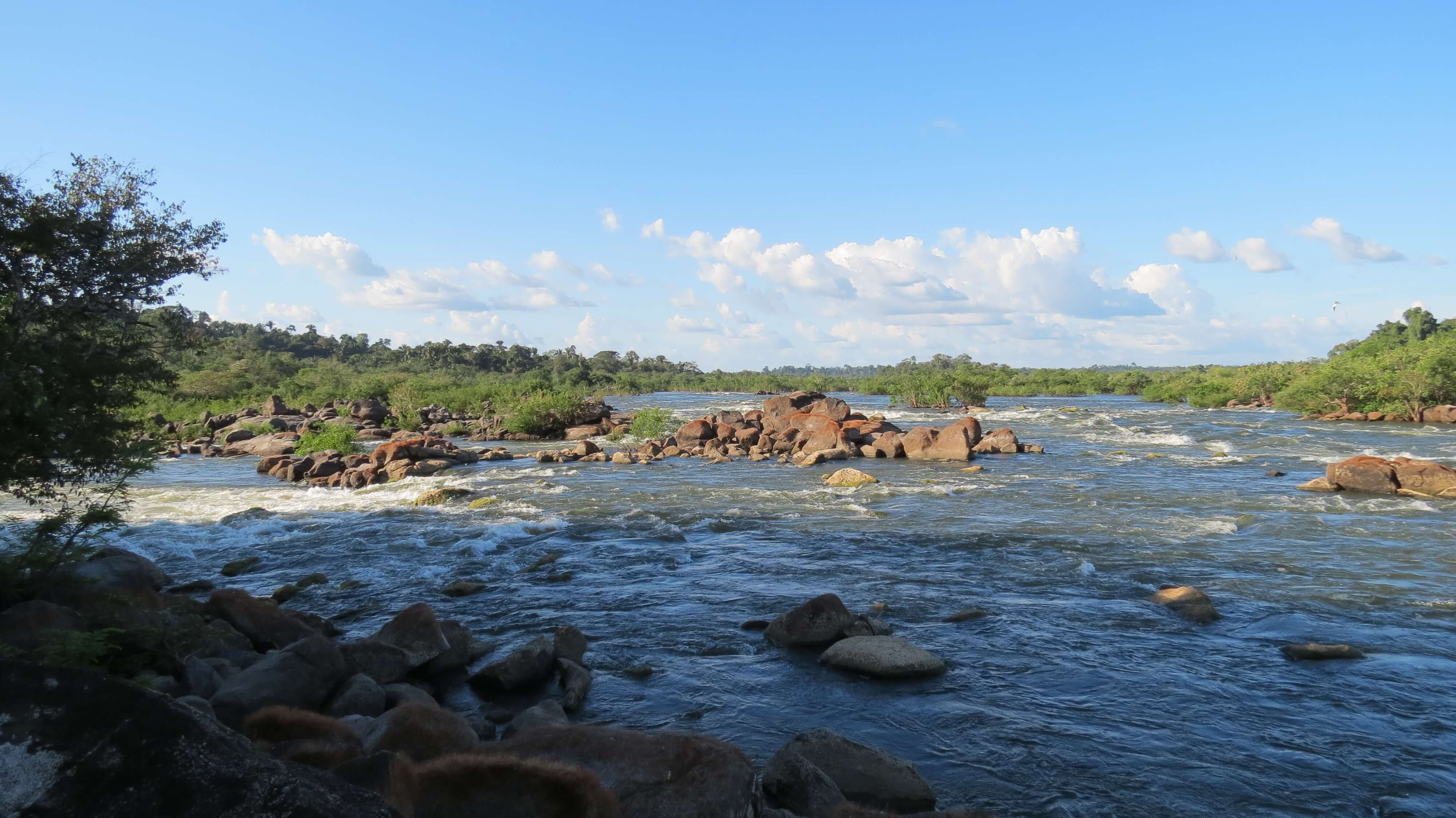
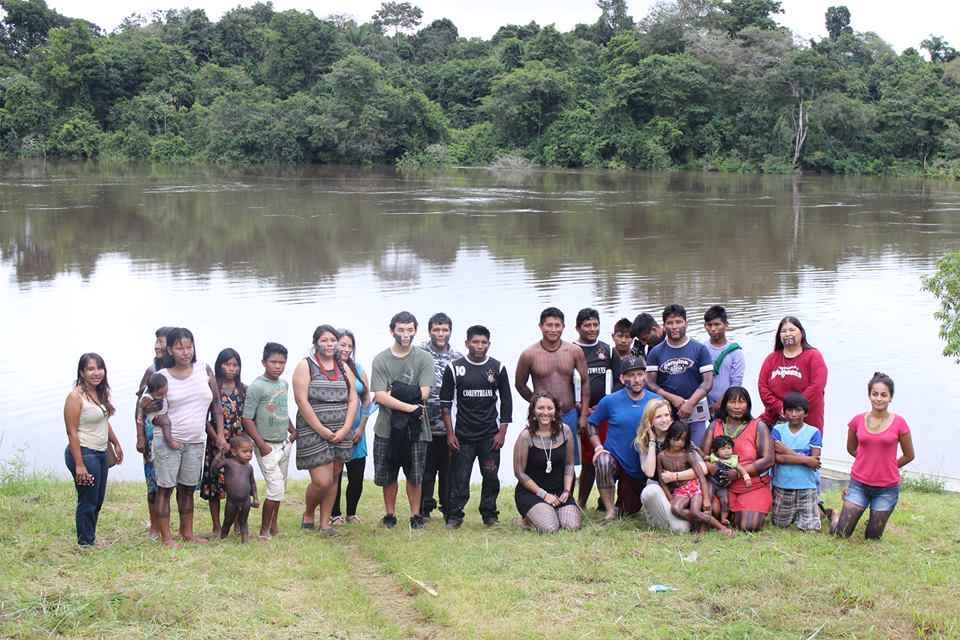
The Xikrin, also known as Mebêngôkre, are an Indigenous community residing in the Brazilian Amazon, specifically within the Cateté and Trincheira Bacajá Indigenous Territories in Pará state. Their society is deeply rooted in oral traditions, with a strong emphasis on oratory skills and communal decision-making. The Xikrin language, part of the Macro-Jê family, is central to their cultural identity. Villages are organized around a central plaza, featuring a Men’s House that serves as a hub for political and ritual activities. Their way of life is intricately connected to the surrounding rivers and forests, which provide sustenance and hold spiritual significance.
The Xikrin face significant threats from illegal logging, mining, and land grabbing, particularly in the Trincheira Bacajá territory. Deforestation rates have surged in recent years, exacerbated by infrastructure developments and weakened environmental protections. Mining activities have led to environmental contamination, notably heavy metal pollution linked to nickel extraction, impacting water sources and community health. Despite legal recognition of their territories, enforcement of land rights remains inadequate, leaving the Xikrin vulnerable to ongoing encroachments and ecological degradation.
In the face of these challenges, the Xikrin have demonstrated remarkable resilience and commitment to cultural preservation. They have established associations, such as the Bep-Nói Association, to defend their lands and advocate for their rights. Community-led initiatives focus on sustainable forest management, balancing traditional practices with contemporary conservation efforts. The Xikrin actively participate in cultural revitalization, maintaining rituals, festivals, and traditional crafts that reinforce their identity and social cohesion. Their steadfast dedication to protecting their heritage and environment serves as an inspiring example of Indigenous resistance and stewardship.