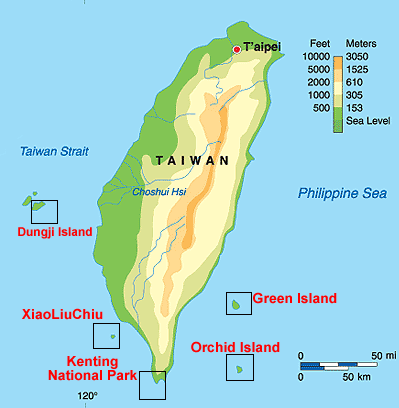
The Yami, also known as the Tao, are an Indigenous community residing on Orchid Island (Lanyu) off Taiwan’s southeastern coast. Their culture is deeply intertwined with the ocean, reflected in their traditional fishing practices, boat-building, and rituals like the Flying Fish Festival. Their language, part of the Western Malayo-Polynesian family, and ancestral ties connect them to the Ivatan of the Philippines, highlighting a rich maritime heritage. Living in six villages, the Yami have maintained a lifestyle centered on fishing, agriculture, and communal traditions.
The Yami face significant challenges, notably the imposition of a nuclear waste storage facility on their island in 1982 without proper consultation. This has led to health concerns and environmental degradation, prompting ongoing protests and demands for the waste’s removal. Additionally, mass tourism, especially during the COVID-19 pandemic, has strained local resources and disrupted traditional practices. The community also grapples with youth migration to Taiwan’s mainland for education and employment, leading to a gradual erosion of cultural continuity.
Despite these adversities, the Yami exhibit remarkable resilience. They actively engage in cultural preservation through festivals, traditional crafts, and environmental stewardship. Community-led initiatives, such as annual ocean clean-ups, demonstrate their commitment to protecting their ancestral lands and waters. Their unwavering efforts to maintain their cultural identity and advocate for environmental justice serve as an inspiring testament to their enduring spirit.