The Yezidi are a distinct ethnoreligious community with roots in the ancient lands of Mesopotamia, primarily in what is now northern Iraq, with diasporic connections to Syria, Armenia, and beyond. Their monotheistic faith blends elements of pre-Islamic Mesopotamian religions, Zoroastrianism, Christianity, and Islam. Central to Yezidi cosmology is the reverence of Melek Taus, the Peacock Angel, as a divine intermediary. Sacred traditions are preserved through oral transmission, with shrines such as Lalish serving as spiritual epicenters for worship and pilgrimage.
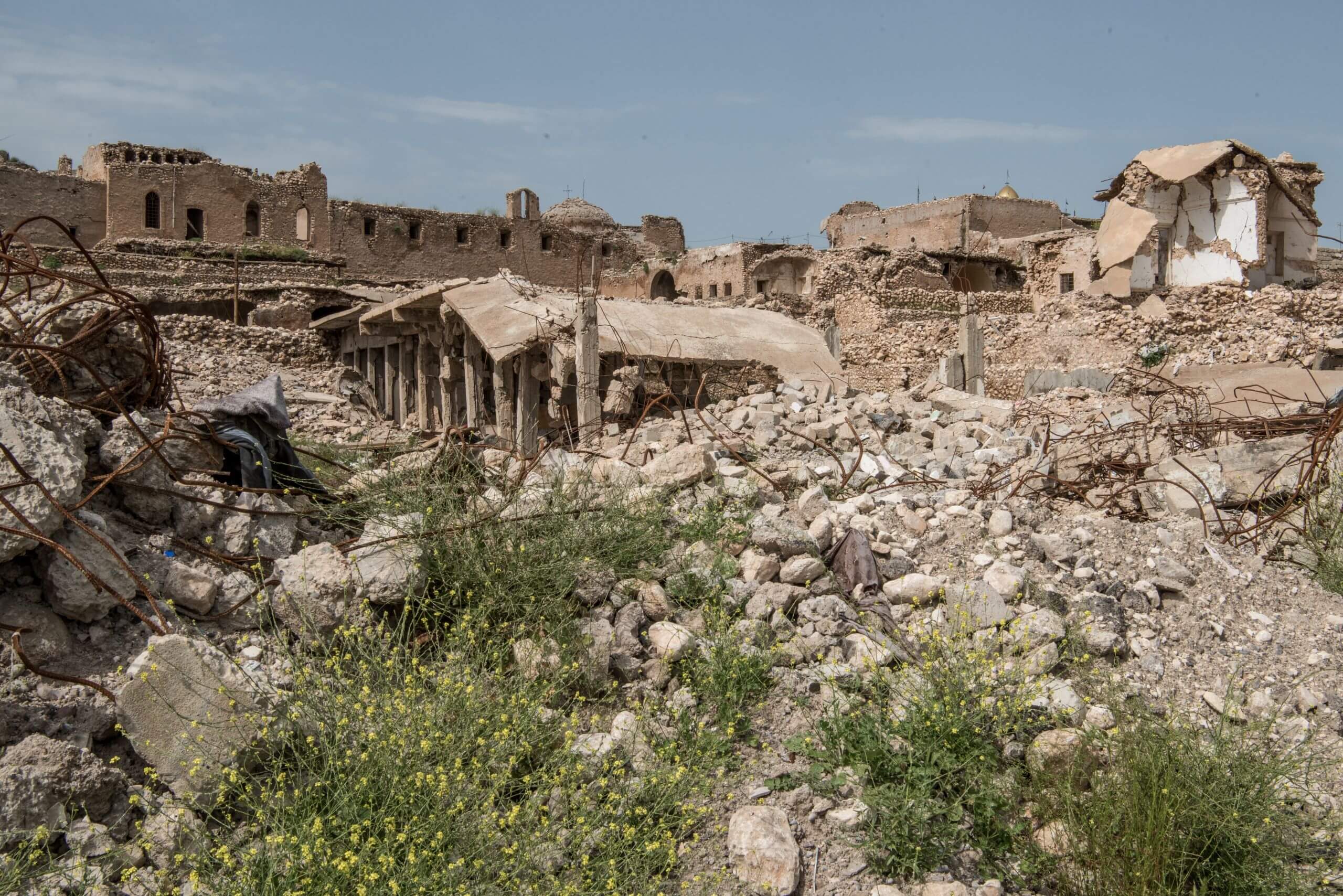
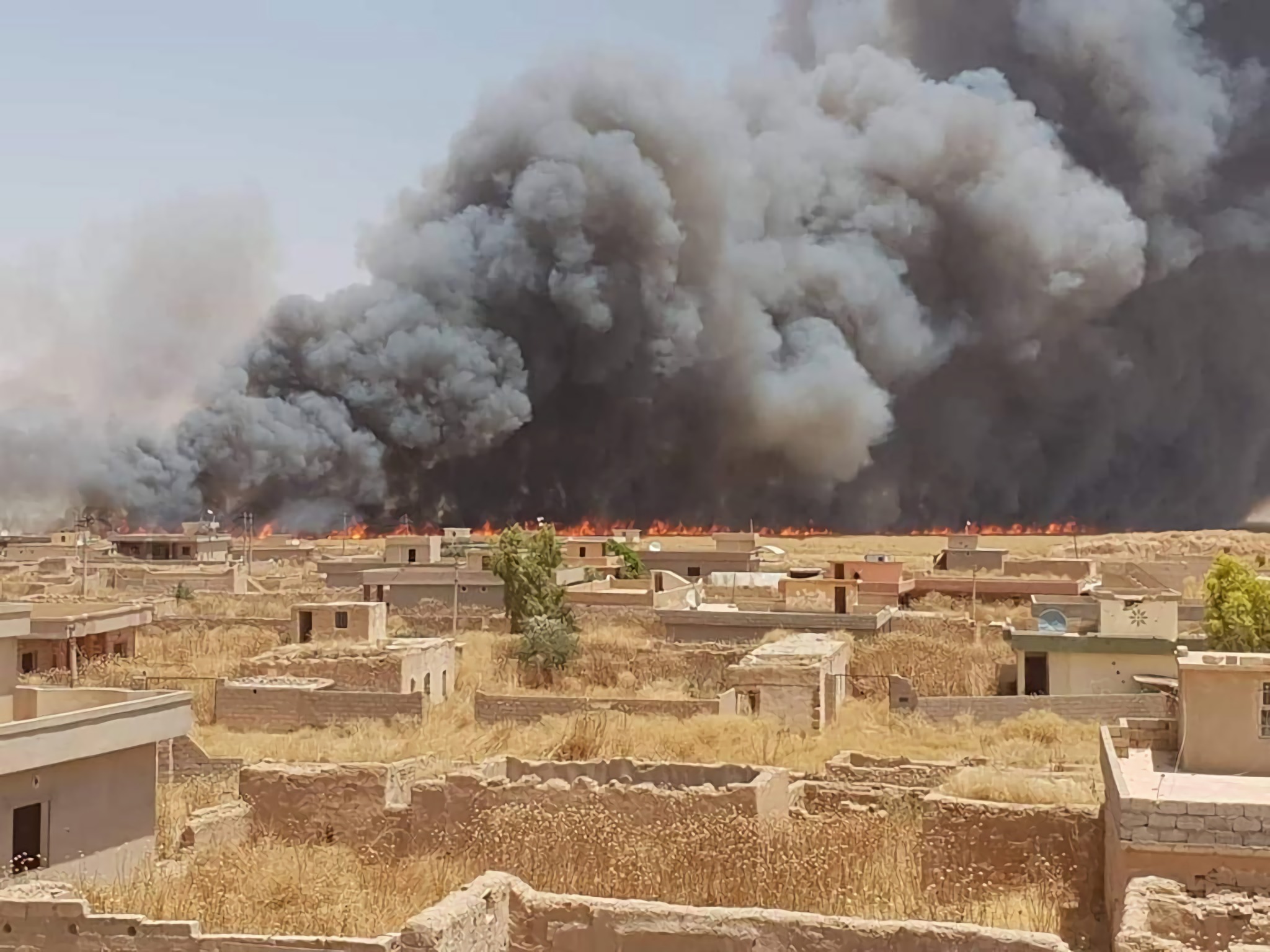
In recent history, the Yezidi have endured severe persecution, most notably during the 2014 genocide carried out by ISIS. Thousands were killed, women and girls were subjected to enslavement, and entire communities were uprooted. Many remain in internally displaced persons (IDP) camps, with limited access to education, healthcare, or economic opportunities. Despite the atrocities, Yezidi survivors continue to demand international recognition and justice, striving to protect their heritage from erasure.
What stands out about the Yezidi is their extraordinary resilience. Despite cycles of violence and marginalization, Yezidi voices have emerged globally to advocate for truth, reparation, and the right to return to ancestral lands. Women, in particular, have taken prominent roles in healing and rebuilding efforts. Cultural preservation initiatives, led by Yezidi elders and youth alike, are revitalizing language, songs, and religious customs. Their story is one of survival through spiritual strength, global solidarity, and an unbreakable commitment to identity.