The Zapotec are one of the oldest Indigenous civilizations of Mesoamerica, with roots tracing back over 2,500 years in the region now known as Oaxaca, Mexico. Known for their sophisticated writing system, complex urban centers like Monte Albán, and enduring cultural practices, the Zapotec maintain a vibrant identity deeply connected to their ancestral lands. Their languages, spiritual traditions, and agricultural knowledge continue to influence regional life today, particularly in the Sierra Madre and Valles Centrales regions.
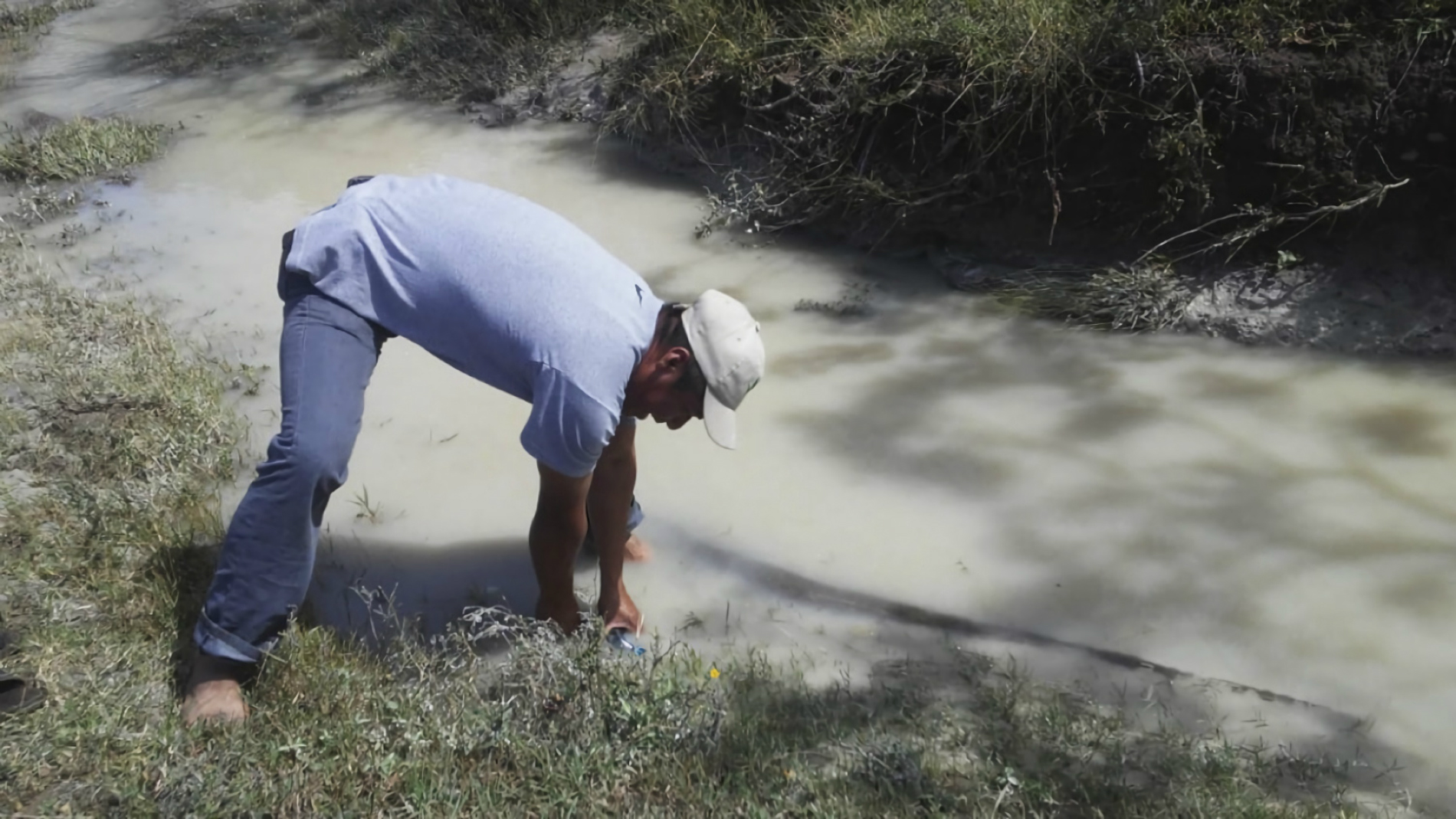
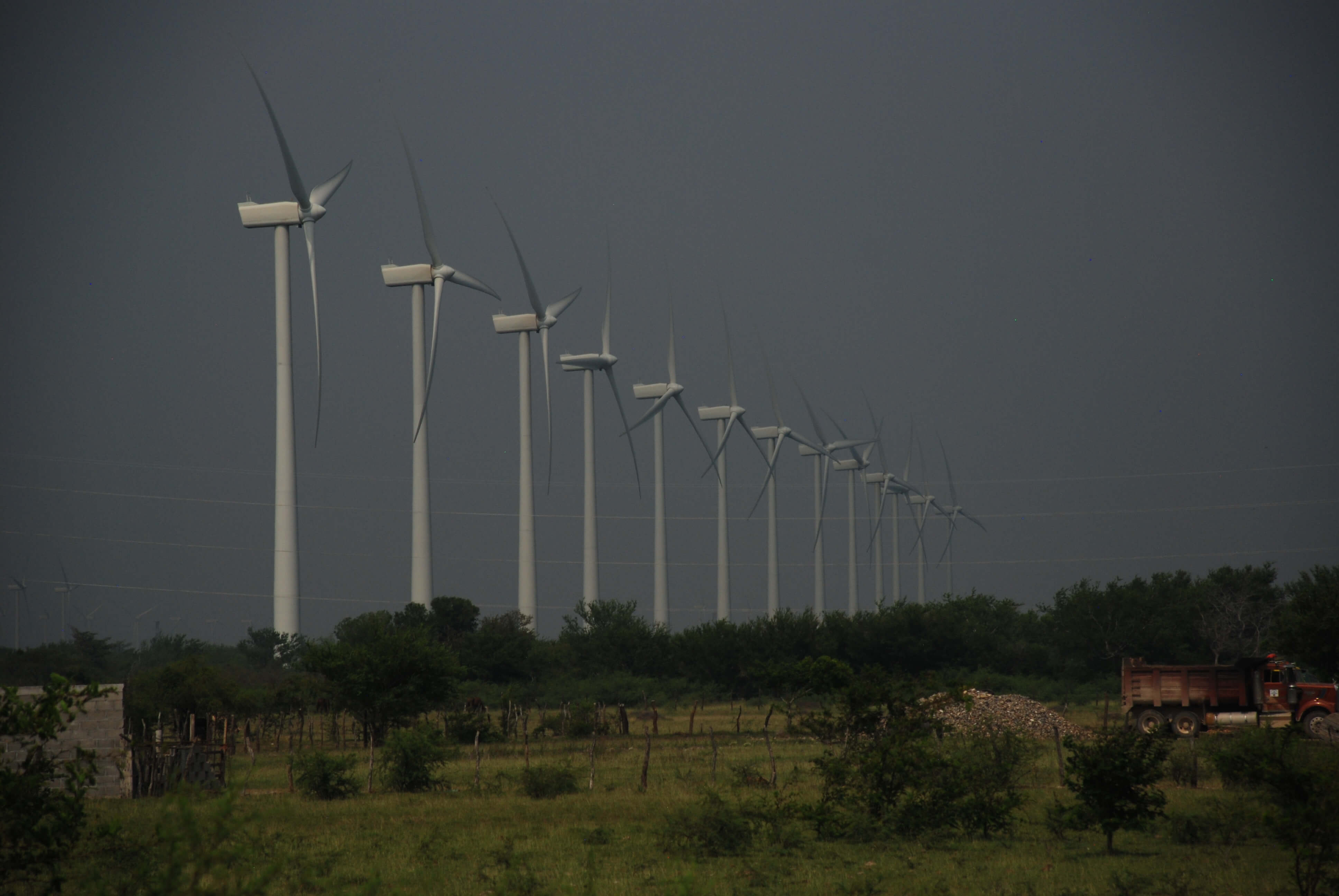
Despite centuries of resistance, the Zapotec face significant challenges in the modern era. Economic marginalization, loss of land to development projects, and political underrepresentation strain their communities. Language shift among younger generations, influenced by migration and educational policies, threatens the survival of distinct Zapotec dialects. Additionally, environmental degradation and mining interests pose risks to the ecosystems that sustain traditional farming and water systems, which are central to their way of life.
The Zapotec continue to inspire through dynamic acts of self-determination. Across Oaxaca, they are leading innovative education programs to revitalize language and cultural teachings. In towns like Guelatao and Juchitán, local radio stations, community governance, and women-led initiatives have gained national and international recognition. Their environmental defense—particularly against megaprojects and deforestation—stands as a powerful example of Indigenous-led sustainability rooted in centuries-old stewardship values.