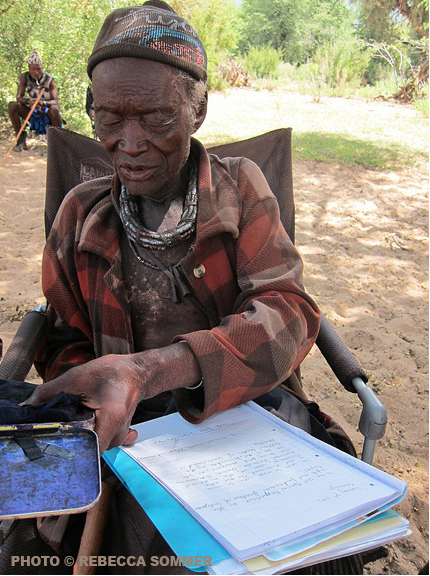
The Zemba are an Indigenous community residing primarily in the borderlands of southern Angola and northern Namibia. Known for their semi-nomadic pastoralist lifestyle, the Zemba maintain a deep spiritual and practical relationship with their cattle, which are central to their economy, social structure, and cultural identity. Their vibrant dress, intricate hairstyles, and body ornamentation reflect a rich aesthetic tradition passed down through generations.
The Zemba face growing threats from land dispossession, environmental degradation, and large-scale development projects such as dams and mining operations. These activities often proceed without adequate consultation or consent, undermining their land rights and traditional livelihoods. Climate change further compounds these issues, reducing access to grazing land and water sources, which are vital for sustaining their cattle-herding way of life.
Despite systemic challenges, the Zemba continue to assert their rights through local and international advocacy efforts. Elders and youth alike are working together to document oral histories, protect sacred sites, and educate future generations in traditional knowledge. Their persistence in defending their identity and lands serves as an inspiring example of Indigenous resistance and cultural survival in the face of modern pressures.