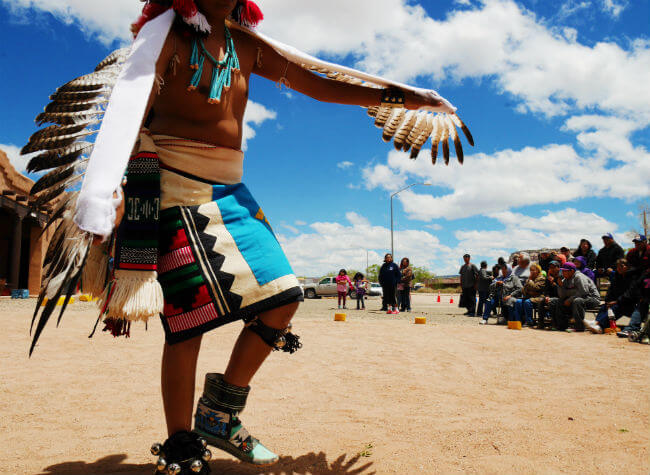
The Zuni are an Indigenous nation residing primarily in western New Mexico, known for their rich cultural continuity and ancestral ties to the ancient Pueblo civilizations of the American Southwest. Their heritage is deeply rooted in ceremonial practices, traditional farming methods, intricate jewelry-making, and the Zuni language, which is a linguistic isolate with no known relation to other languages. Their spiritual worldview is centered on balance, harmony with nature, and sacred cycles that govern life and community well-being.
Modern Zuni face significant challenges, including threats to land and water rights, loss of sacred sites due to mining and development, and the struggle to maintain language fluency among younger generations. Economic hardship and limited access to infrastructure compound health and education disparities. Furthermore, cultural misrepresentation and archaeological exploitation have long undermined their autonomy, prompting ongoing efforts to repatriate ancestral remains and protect traditional knowledge.
In the face of adversity, the Zuni have become a powerful voice for cultural preservation and Indigenous rights. Their resilience is evident in the revitalization of ceremonies, the continuation of traditional agriculture, and the global recognition of Zuni artistry in silverwork, pottery, and storytelling. Zuni leaders and educators are actively working to ensure that younger generations inherit not only language and custom, but also a strong sense of identity rooted in ancestral wisdom and modern sovereignty.