Last Updated on February 3, 2026
Indigenous communities in the forested Sijimali hills of Odisha have accused government authorities and corporate interests of fabricating consent for a proposed bauxite mining project, escalating local resistance and raising constitutional questions about tribal rights protections.
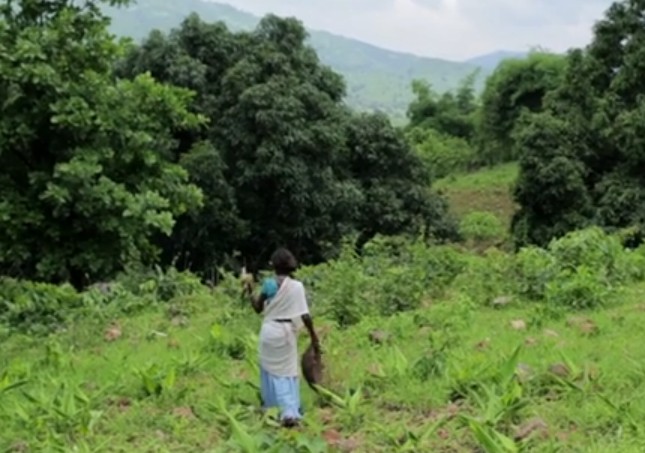
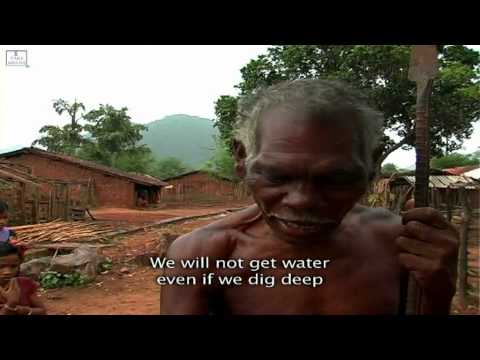
The mining lease, granted to Vedanta Ltd., would cover about 1,549 hectares and produce about 9 million tonnes of bauxite annually over a 50-year period. Nearly half the area is forest land in a region where tribal people depend on the ecosystem for water, food and spiritual practices.
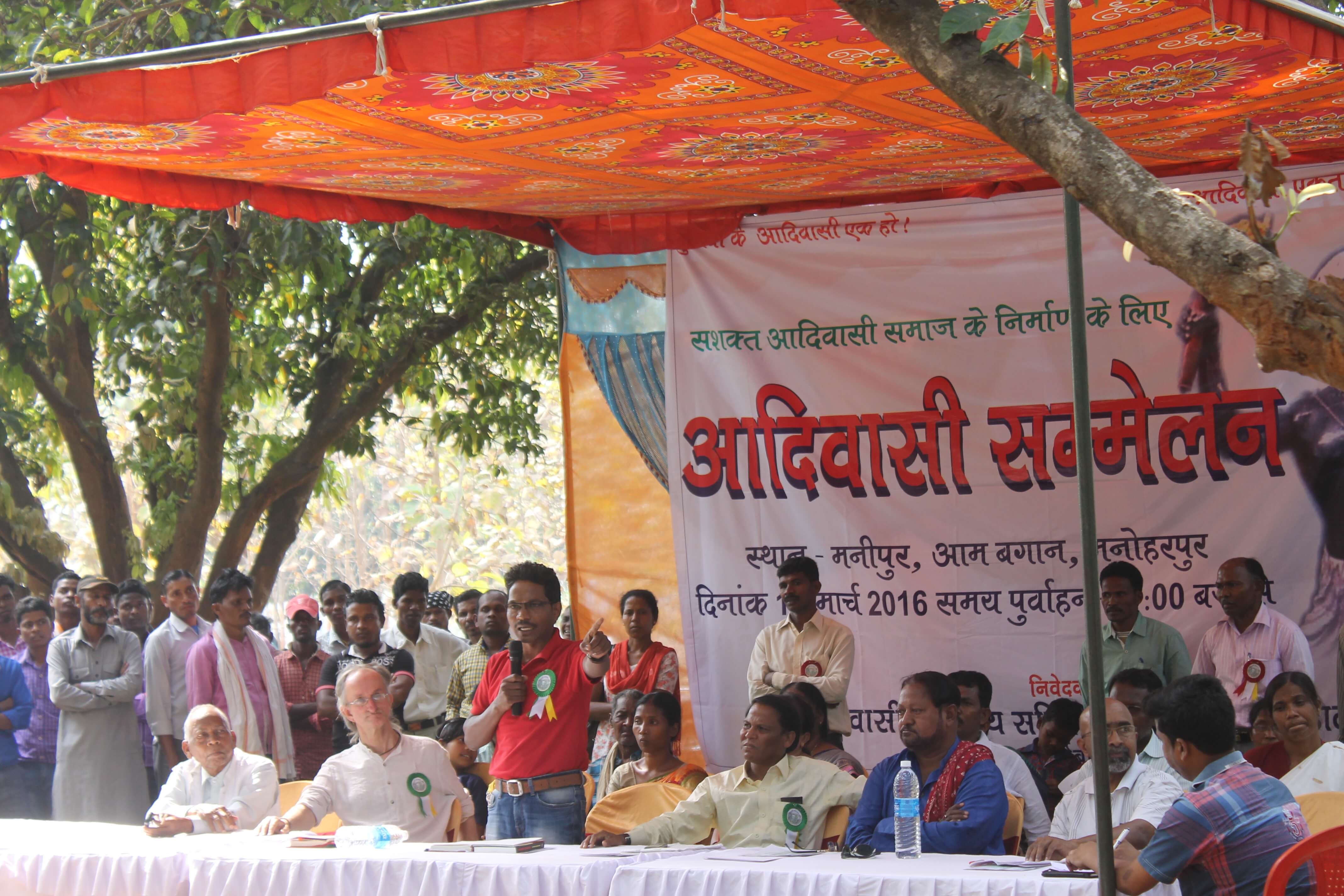
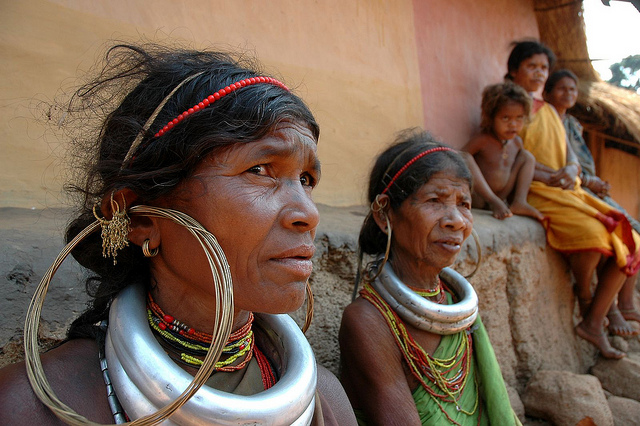
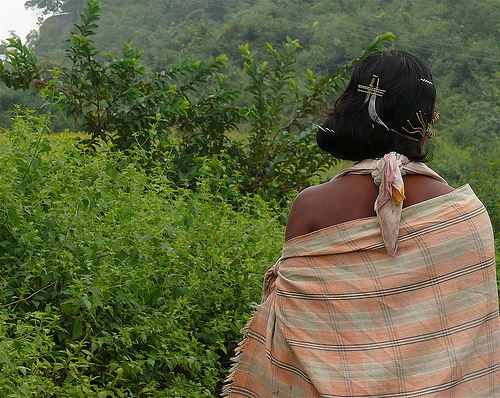
Villagers in the Sijimali hills—home to Kondh, Paroja and other Adivasi populations —say legally mandated Free, Prior and Informed Consent (FPIC), required under the Panchayats (Extension to Scheduled Areas) Act (PESA) and the Forest Rights Act (FRA), was undermined by rushed or coercive procedures. Disclosures obtained by activists and Right to Information filings reportedly show irregularities in attendance lists, discrepancies in signed consent records and cases where signatures appear linked to minors and deceased persons.
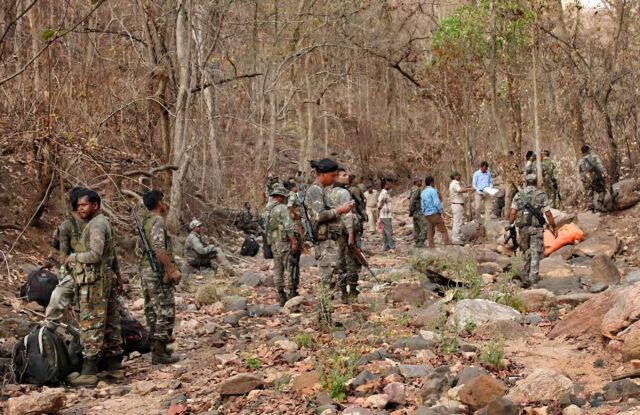
In interviews with local and national media, community members and civil society advocates said that some scheduled Gram Sabha meetings were held with heavy police presence, limited notice and exclusion of key villages. In other cases, protesters say they were pressured or bribed with small amounts of cash to accept the process.
“In the Tikri Village, they make everyone stand in a queue and distribute 1000 rupees and biryani. They penetrate here through NGOs to suppress and divert people’s attention”, Malipadar villager Rina Majhi told reporters.
“It is a concerted effort to force us to give up our constitutional demand for our land, which the company seeks to destroy by displacing us and launching an offensive against our resistance to its illegal actions and routine harassments,” added Kantamal villager Govind Majhi.
Rights groups also say the official Environmental Impact Assessment (EIA) understated the project’s likely displacement of families and underestimated cumulative ecological harm. Forty-five percent of the mining lease overlaps forestland designated under constitutional protections for scheduled areas.
As opposition intensified, authorities have at times responded with arrests and legal actions against leaders of the resistance. Protest organizers report cases filed under serious legal provisions, including broad anti-terrorism laws, which they argue are used to intimidate dissent rather than address genuine threats. Some women activists have been detained while attending to family emergencies, according to community accounts.
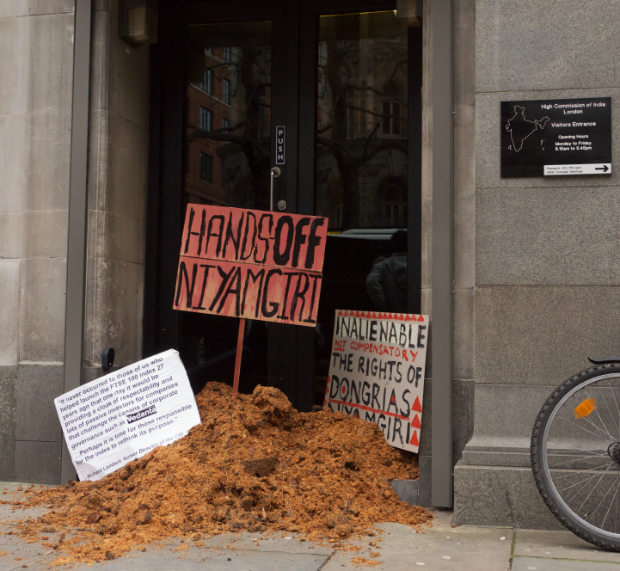
Observers say the Sijimali conflict evokes the earlier Niyamgiri dispute, where tribal communities successfully mobilized against a Vedanta-linked mining project on religious and cultural grounds. In that case, India’s Supreme Court affirmed the authority of Gram Sabhas to decide matters affecting tribal cultural rights in a landmark 2013 judgment.
Legal advocates say the current situation illustrates broader strains in how India’s constitutional rights for tribal self-governance are implemented, with critics asserting that procedural compliance alone should not substitute for genuine participation.
The Sijimali villagers’ immediate demands include an independent review of the consent process, a credible reassessment of environmental risks, and an end to criminal cases against community members.
Representatives for the company have previously asserted that the mining project would generate employment and support regional economic activity, while regulators maintain that consultations and clearances followed statutory requirements.
Across the world right now, Indigenous peoples are facing a renewed assault on their lands, rights, and ways of life.
From extractive industries pushing deeper into ancestral territories, to governments rolling back hard-won protections,
the threat is global—and it is growing.
What makes this moment especially dangerous is how little attention it receives.
Stories like this are disappearing in real time. Mainstream media
barely covers it and the coverage is fragmented. The public is left without the context
needed to understand what is truly at stake.
That is exactly why IC Magazine exists..
For more than 20 years, IC has reported on Indigenous struggles worldwide — consistently, independently, and without compromise.
We don’t follow news cycles; we trace patterns. We don’t sensationalize; we provide context.
And when the world looks away, we stay focused.
But this work is increasingly difficult to sustain.
We refuse to lock our reporting behind a paywall. We don’t sell access through subscriptions.
And we don’t answer to advertisers. IC Magazine survives solely because readers like you choose to
support independent Indigenous journalism.
Please donate today if you can. Every contribution helps us to continue this crucial work.
Thank you,
John Ahni Schertow
Founder and Editor in Chief