
Last Updated on April 29, 2025
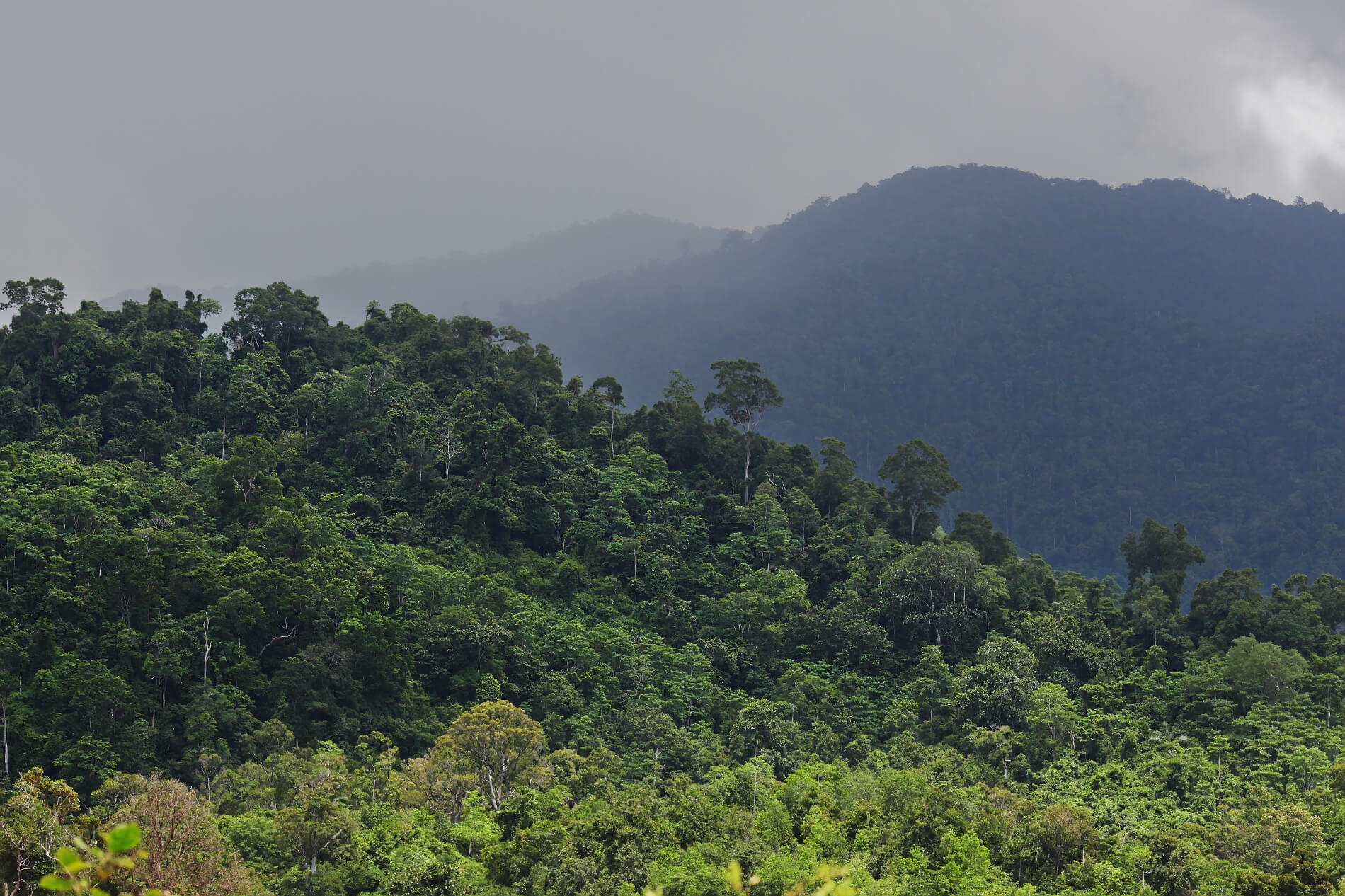
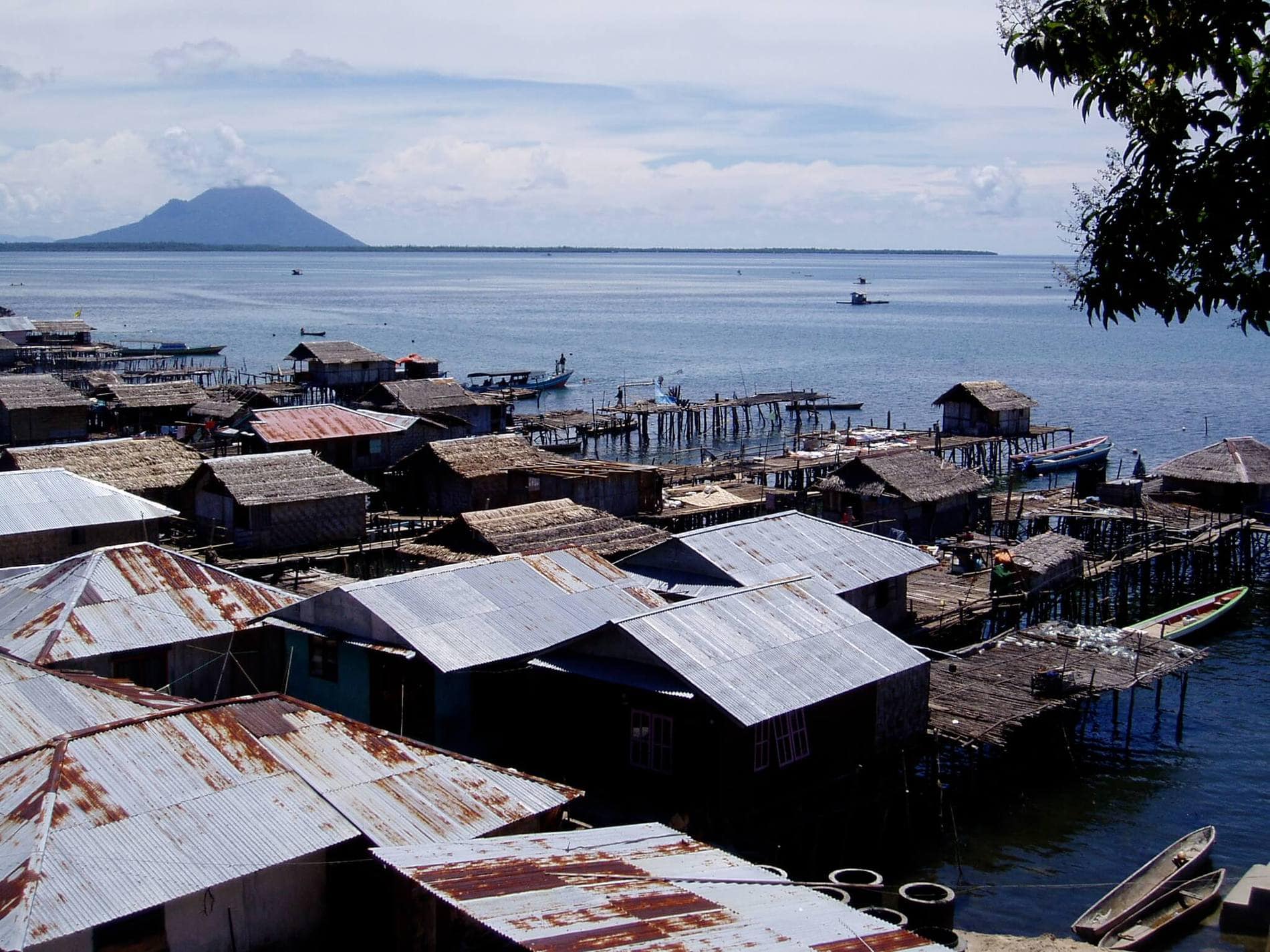
In the heart of South Papua, a slow but devastating crisis is unfolding across the ancestral territories of the Marind, Yei, Maklew and Khimaima peoples.
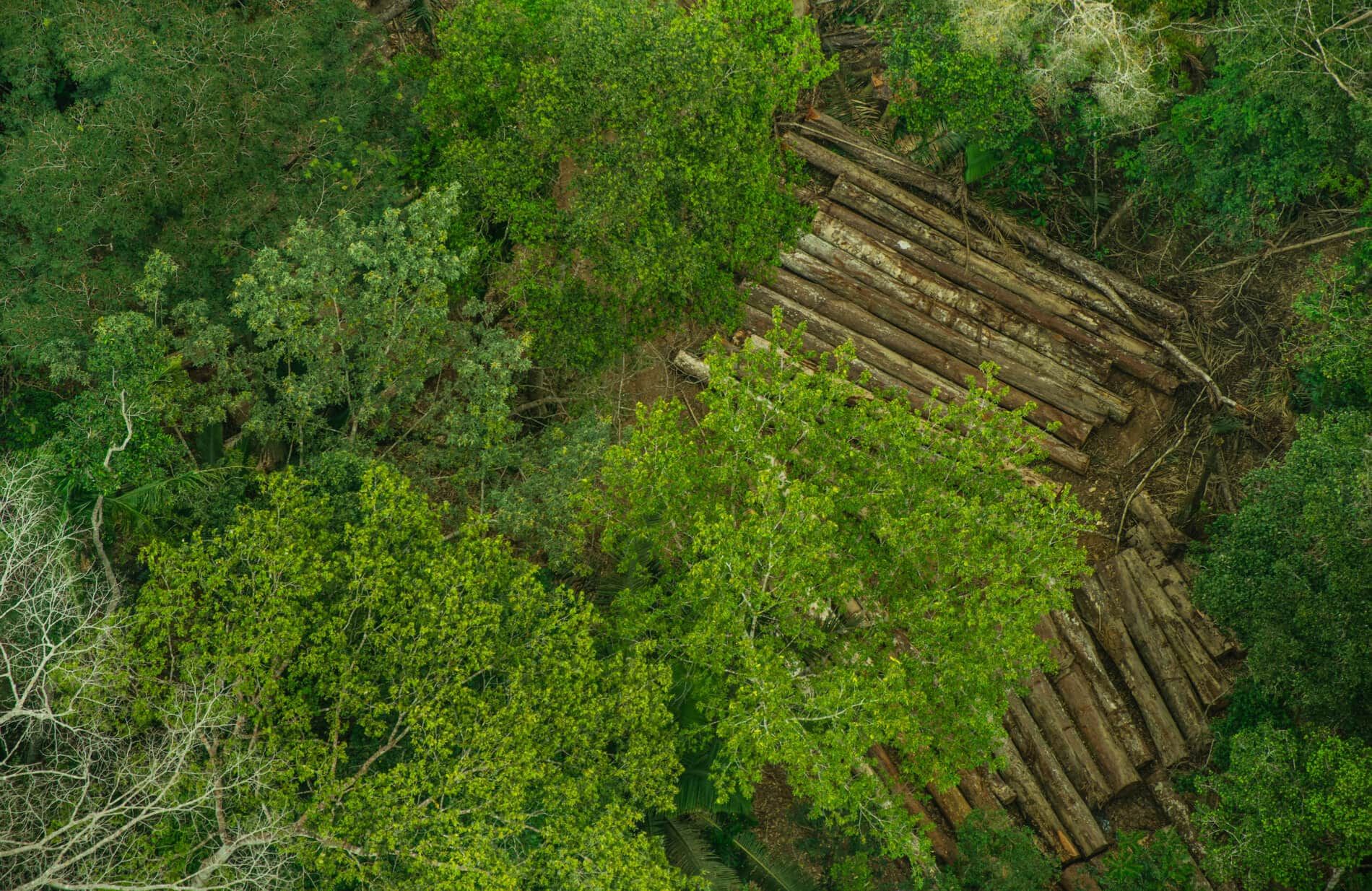
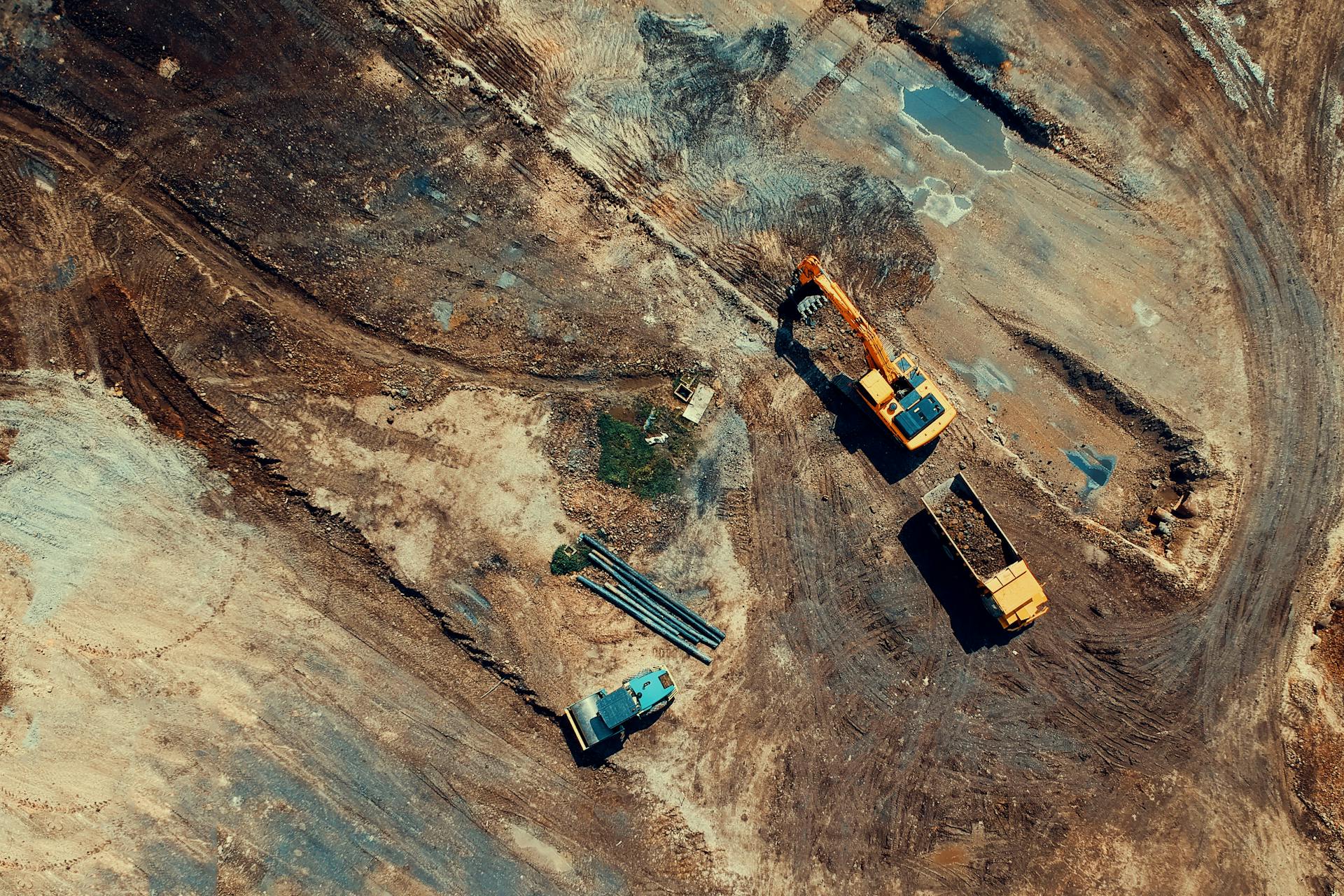
The Indonesian government’s National Strategic Project (PSN) in Merauke plans to turn over two million hectares of forest into industrial-scale sugarcane and rice plantations. Officials are presenting the project as a response to their dependence on food and energy imports. But the project would directly affect as many as 40,000 Indigenous peoples and destroy ecosystems that have supported them for generations.
This is not a new problem. Earlier efforts, such as the Merauke Integrated Food and Energy Estate (MIFEE) launched in 2010, have already displaced many Indigenous peoples and paved the way for land grabs, rights violations, and an increased military presence in the region.
Today, the PSN project threatens to repeat these patterns. So far, at least 38 companies are involved, and there have already been reports of land acquisitions marked by fraud, according to WRM.
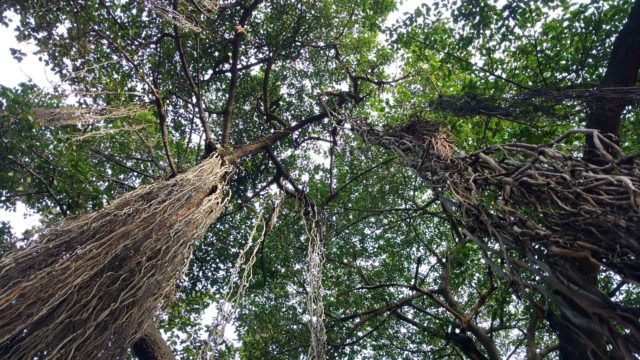
For the Marind, Yei, Maklew and Khimaima, land is central to identity, culture, and survival. Forests are not just resources; they are part of community life and clearing these forests will break a long-standing relationship between people and place.
Indigenous leaders warn that the PSN project could destroy their way of life.
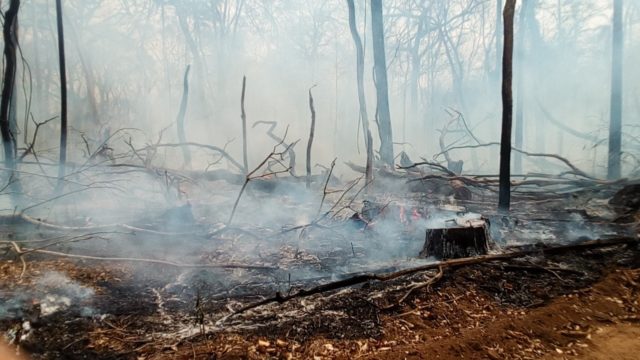
Cutting down large areas of forest will also add to global climate problems and wipe out important species, as reported by Forest Peoples Programme.
In response to this emerging crisis, more than 250 Indigenous representatives recently met to issue the Merauke Declaration of Solidarity. Calling for an immediate halt to the PSN project, they said the project violates constitutional rights to land, life, and a clean environment. Their declaration also demands that development respect Indigenous decision-making and stop using force.
More than 60,000 people have also signed a petition calling for an end the Merauke National Strategic Project.
The Marind and Yei communities are standing firm. Their message is simple and strong: development should not come at the cost of survival.
Across the world right now, Indigenous peoples are facing a renewed assault on their lands, rights, and ways of life.
From extractive industries pushing deeper into ancestral territories, to governments rolling back hard-won protections,
the threat is global—and it is growing.
What makes this moment especially dangerous is how little attention it receives.
Stories like this are disappearing in real time. Mainstream media
barely covers it and the coverage is fragmented. The public is left without the context
needed to understand what is truly at stake.
That is exactly why IC Magazine exists..
For more than 20 years, IC has reported on Indigenous struggles worldwide — consistently, independently, and without compromise.
We don’t follow news cycles; we trace patterns. We don’t sensationalize; we provide context.
And when the world looks away, we stay focused.
But this work is increasingly difficult to sustain.
We refuse to lock our reporting behind a paywall. We don’t sell access through subscriptions.
And we don’t answer to advertisers. IC Magazine survives solely because readers like you choose to
support independent Indigenous journalism.
Please donate today if you can. Every contribution helps us to continue this crucial work.
Thank you,
John Ahni Schertow
Founder and Editor in Chief