Last Updated on December 1, 2025
In a ruling hailed as a major victory for food sovereignty and small-scale agriculture, Kenya’s High Court struck down key provisions of the Seed and Plant Varieties Act, 2012 — effectively restoring the right of farmers to save, share and exchange Indigenous seeds.
The judgment, delivered Nov. 27 by Justice Rhoda Rutto in Machakos, found that the law’s criminal penalties violated constitutional rights linked to livelihood, culture and economic autonomy. Under the overturned provisions, smallholder farmers faced fines of up to 1 million Kenyan shillings (approx. $7,700 USD) and as much as two years in prison for distributing uncertified seeds.
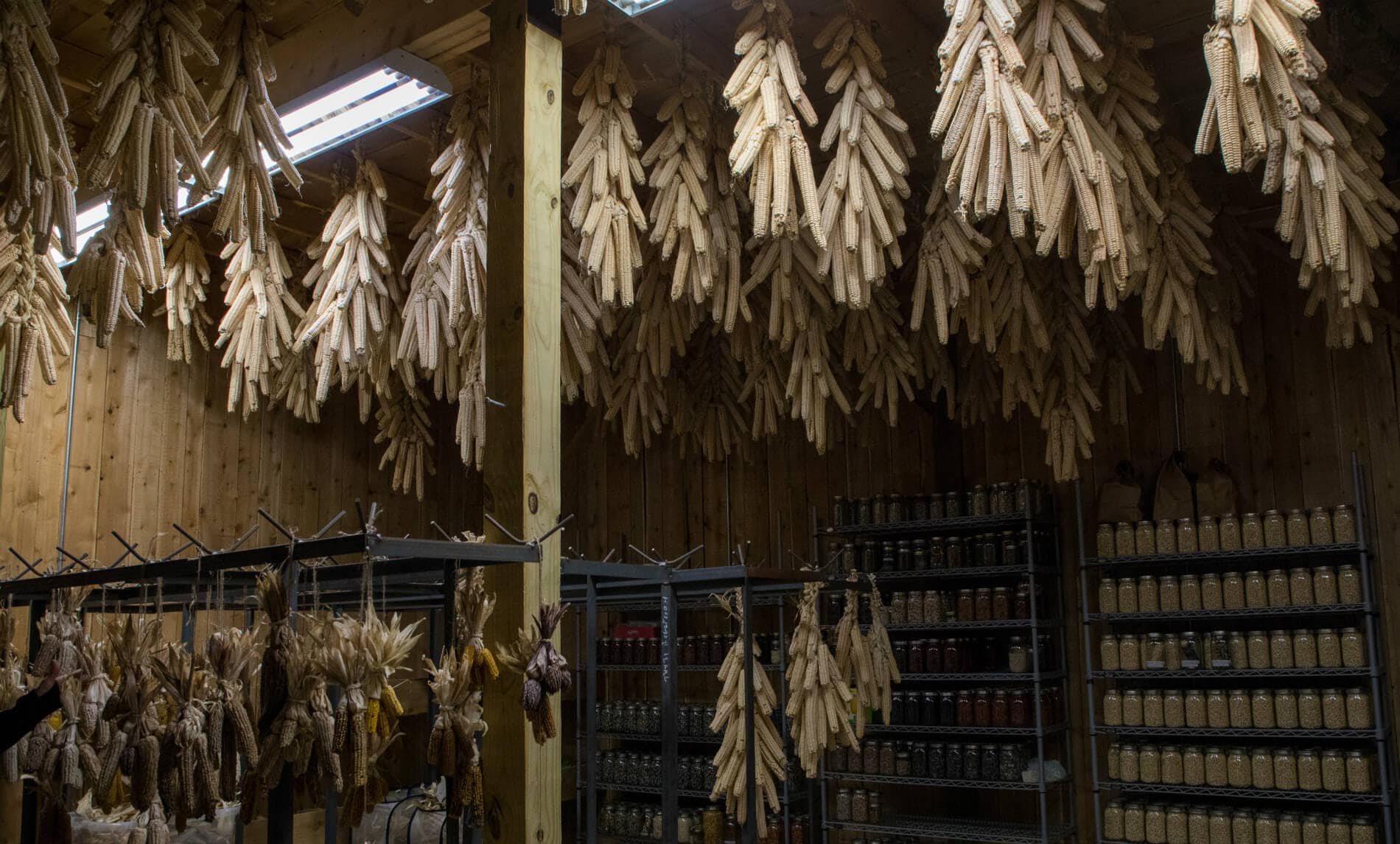
The court also voided sections that allowed officials to shut down community seed banks and limited seed saving to registered commercial seed merchants. Farmer and breeder rights had been unevenly allocated under the Act, granting broad protections to commercial developers while restricting the exchange of locally-adapted varieties maintained by generations of Kenyan farmers.
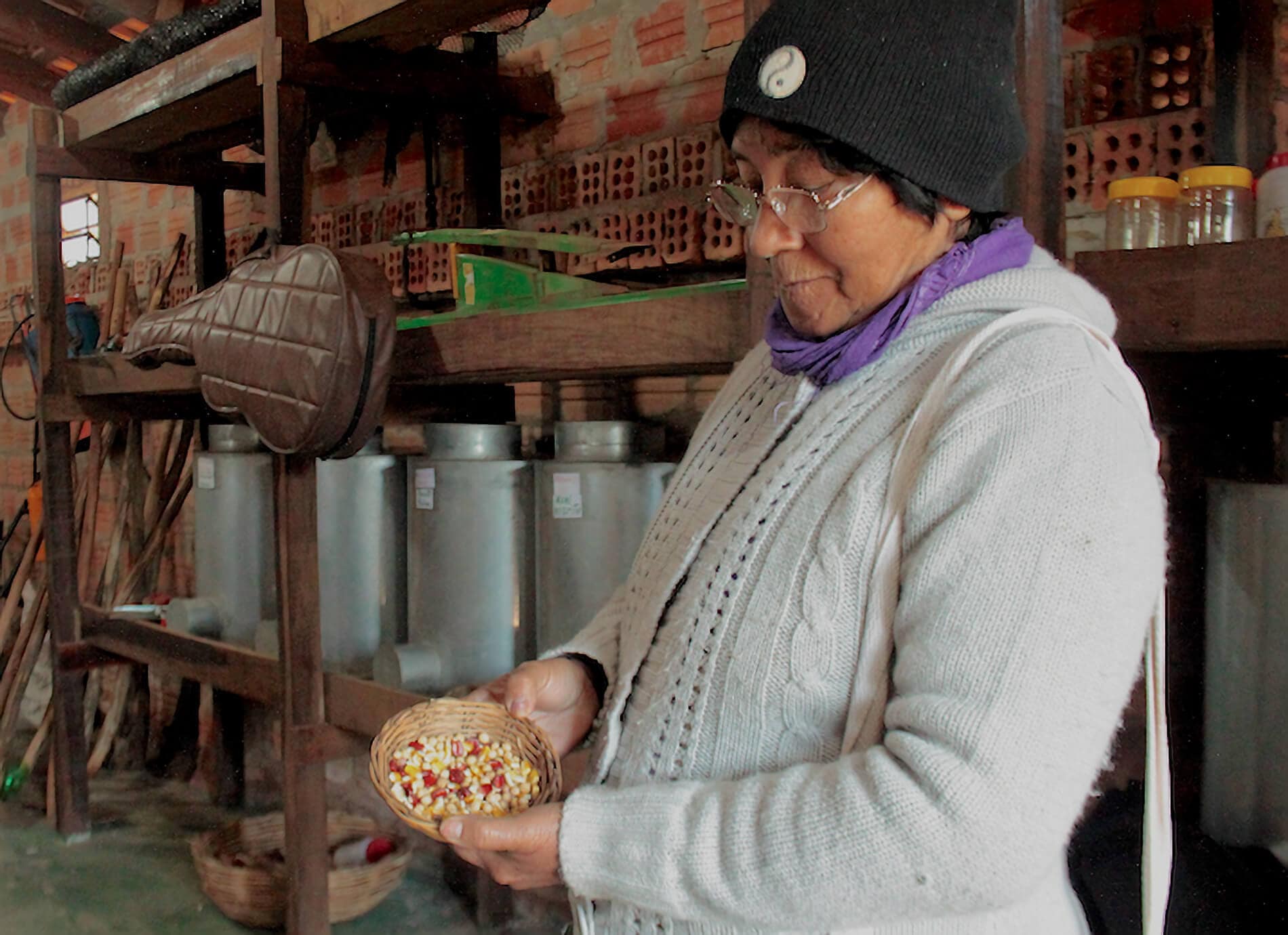
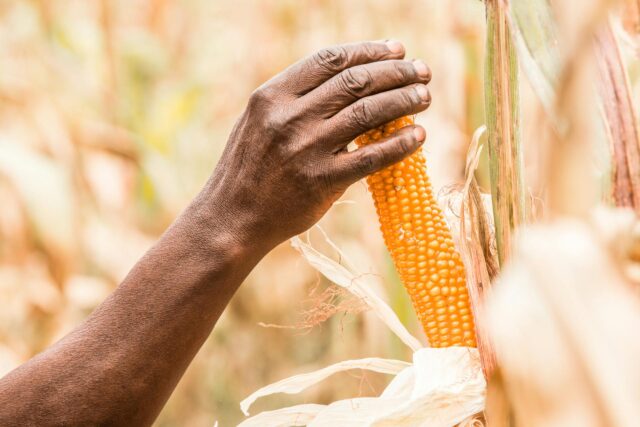
For many petitioners, the ruling represented a restoration of cultural practice as much as legal protection. “My grandmother saved seeds, and today the court has said I can do the same for my grandchildren without fear,” petitioner Samuel Wathome said after the hearing. Advocates for agroecology and climate resilience noted that Indigenous seed varieties remain essential to coping with shifting rainfall patterns, emerging pests and worsening drought conditions.
The decision is expected to bolster national efforts to reinforce farmer-managed seed systems, which support roughly 80 percent of the country’s food supply. Civil society groups have already called for new legislation that safeguards community seed banks, public research support for traditional varieties and stronger recognition of Indigenous knowledge in biodiversity conservation.
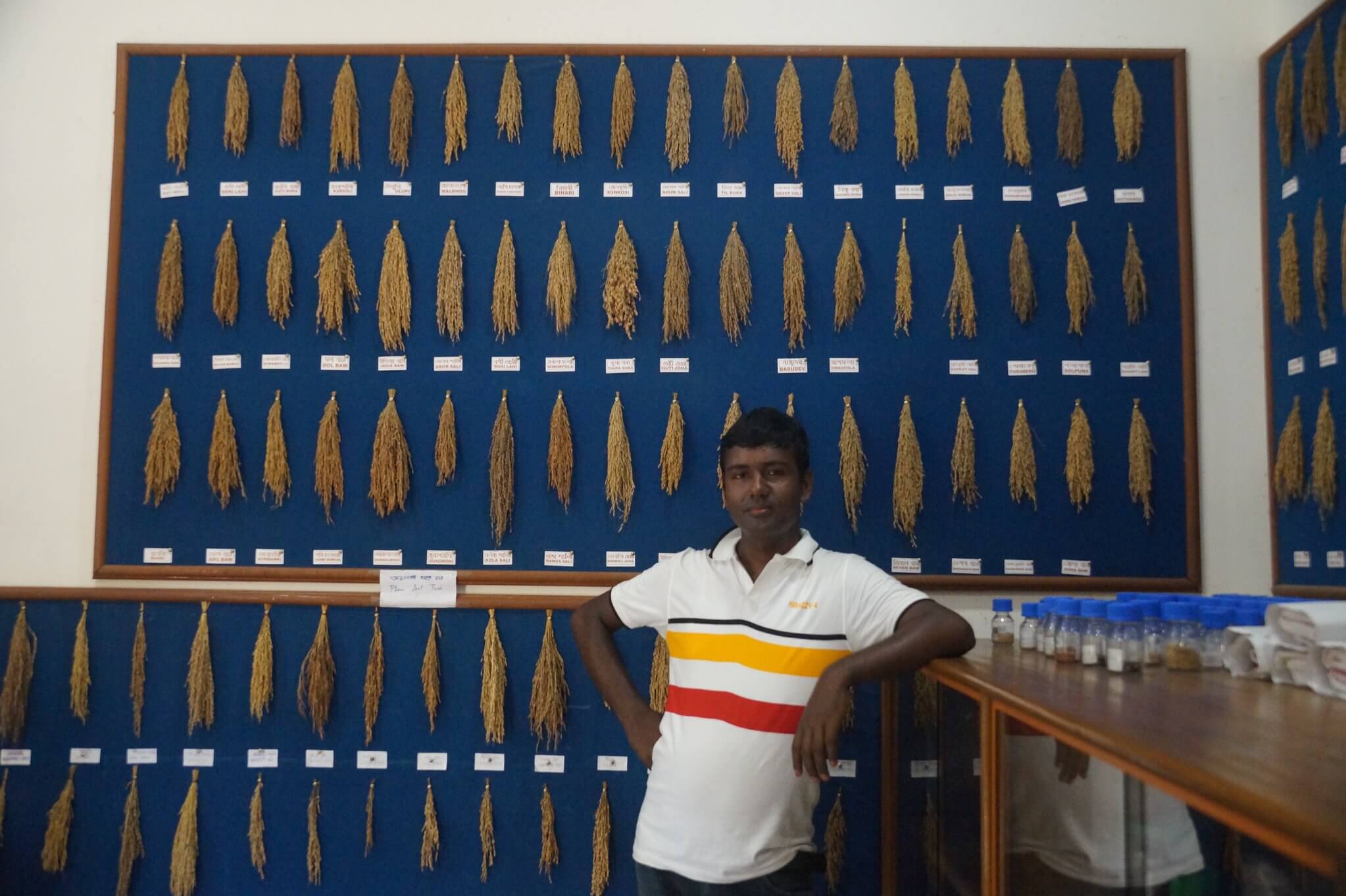
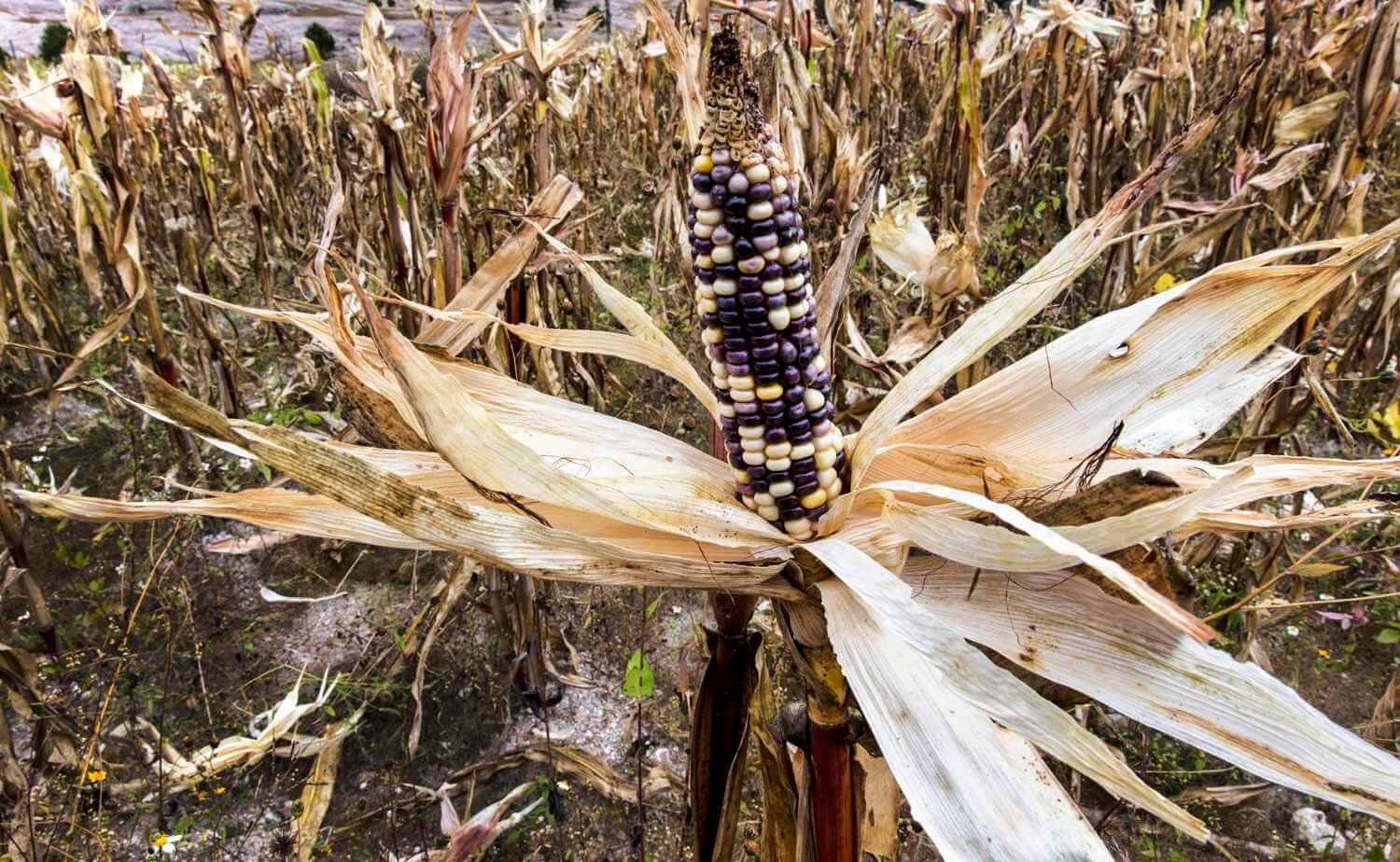
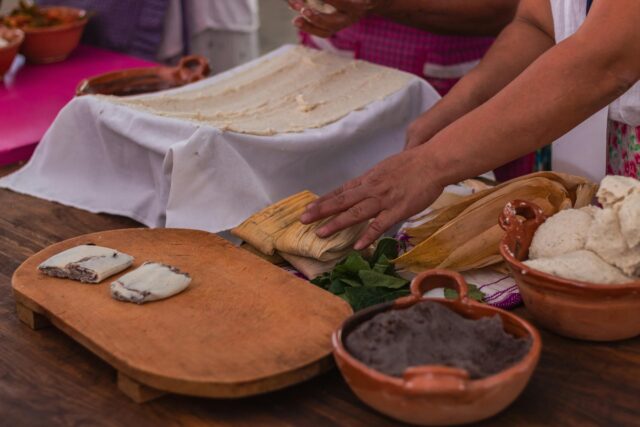
Globally, the ruling aligns Kenya with a growing movement to protect Indigenous seed practices. Across Latin America, Asia and the Pacific, Indigenous communities have pushed for legal recognition of collective seed ownership, arguing that industrial seed laws — often modeled on international intellectual-property frameworks — undermine traditional stewardship. Countries such as Mexico and the Philippines have advanced measures to protect native maize and heirloom rice varieties, while several Andean nations are expanding legal protections for ancestral crops under broader food-sovereignty policies.
International networks, including La Via Campesina and the Indigenous Terra Madre alliance, have also increased pressure on governments to recognize seed saving as both a cultural right and an environmental necessity. Their campaigns emphasize that farmer-bred and Indigenous seeds are critical to combating climate change, preserving agrobiodiversity and ensuring that rural communities maintain control over their food systems.
With Kenya’s ruling, advocates say the country joins a rising global effort to defend seeds not only as agricultural resources but as carriers of memory, resilience and identity. Many hope the decision will energize similar legal challenges and encourage governments to balance commercial seed interests with the rights of the communities that have safeguarded crop diversity for centuries.
Across the world right now, Indigenous peoples are facing a renewed assault on their lands, rights, and ways of life.
From extractive industries pushing deeper into ancestral territories, to governments rolling back hard-won protections,
the threat is global—and it is growing.
What makes this moment especially dangerous is how little attention it receives.
Stories like this are disappearing in real time. Mainstream media
barely covers it and the coverage is fragmented. The public is left without the context
needed to understand what is truly at stake.
That is exactly why IC Magazine exists..
For more than 20 years, IC has reported on Indigenous struggles worldwide — consistently, independently, and without compromise.
We don’t follow news cycles; we trace patterns. We don’t sensationalize; we provide context.
And when the world looks away, we stay focused.
But this work is increasingly difficult to sustain.
We refuse to lock our reporting behind a paywall. We don’t sell access through subscriptions.
And we don’t answer to advertisers. IC Magazine survives solely because readers like you choose to
support independent Indigenous journalism.
Please donate today if you can. Every contribution helps us to continue this crucial work.
Thank you,
John Ahni Schertow
Founder and Editor in Chief