Last Updated on May 19, 2019
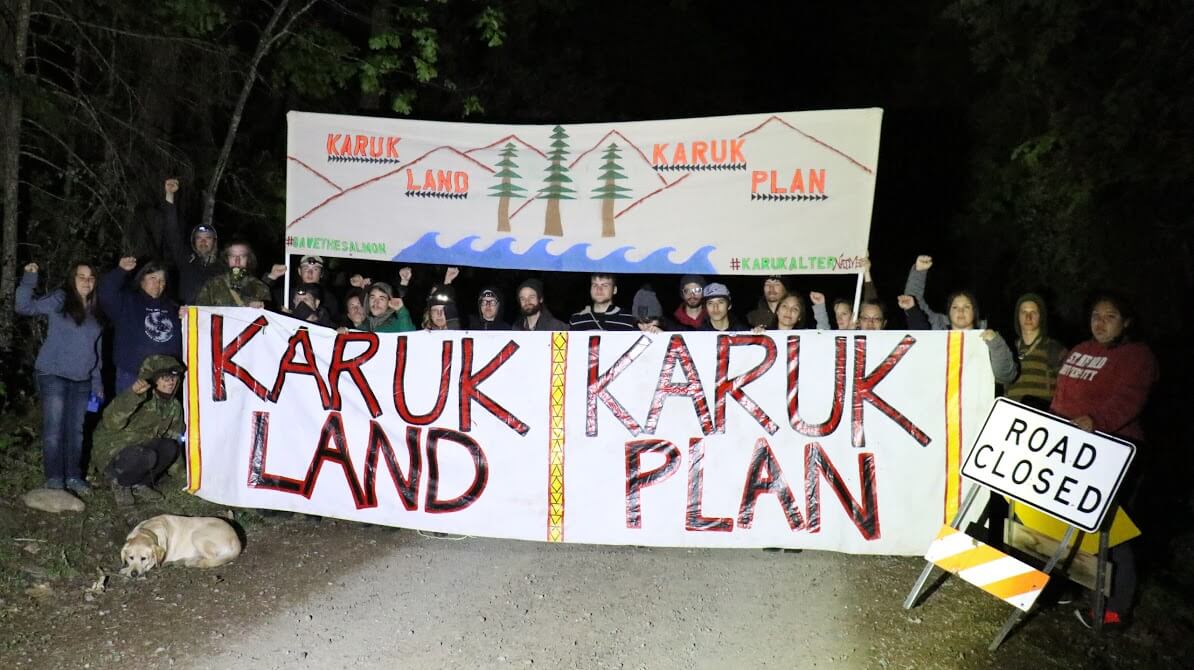
CHILOQUIN, OR–By mail-in referendum vote, members of the Klamath Tribes approved the Upper Klamath Basin Comprehensive Agreement (UKBCA). In accordance with the Tribes’ established referendum procedures, the ballots were counted in an open forum at the Chiloquin Community Center, and results of the referendum were certified by the Klamath Tribes Election Board around noon Wednesday, April 9. 564 Tribal members voted yes, in favor of the Agreement, and 419 voted no.
“The positive vote of our Tribal Members affirming the Upper Klamath Basin Comprehensive Agreement is a monumental step in achieving the long established goals of our people to restore and protect our Tribal fisheries and other Treaty resources,” stated Don Gentry, Chairman of the Klamath Tribes. “With approval of the Agreement, Senator Wyden will now move forward to introduce a legislative package to enact the UKBCA. The bill will also include legislation of the Klamath Basin Restoration Agreement (KBRA) and the Klamath Hydroelectric Settlement Agreement (KHSA), which our members voted overwhelmingly to support.”
Klamath Tribes’ Vice Chair Vivian Kimbol added, “The Council and KTNT knew this was going to be an extremely important decision for our Tribal members. However, we are now looking forward to the legislative process that will uphold and support salmon and steelhead reintroduction, prevent the extinction of our c’waam, restore our ecosystem, secure a healthy tribal economy and honor the Treaty resources that our Tribe has fought to protect.”
For more information contact:
Klamath Tribal Chairman, Don Gentry: 541-892-1433
Klamath Tribal Vice-Chair, Vivian Kimbol: 541-880-8794
Across the world right now, Indigenous peoples are facing a renewed assault on their lands, rights, and ways of life.
From extractive industries pushing deeper into ancestral territories, to governments rolling back hard-won protections,
the threat is global—and it is growing.
What makes this moment especially dangerous is how little attention it receives.
Stories like this are disappearing in real time. Mainstream media
barely covers it and the coverage is fragmented. The public is left without the context
needed to understand what is truly at stake.
That is exactly why IC Magazine exists..
For more than 20 years, IC has reported on Indigenous struggles worldwide — consistently, independently, and without compromise.
We don’t follow news cycles; we trace patterns. We don’t sensationalize; we provide context.
And when the world looks away, we stay focused.
But this work is increasingly difficult to sustain.
We refuse to lock our reporting behind a paywall. We don’t sell access through subscriptions.
And we don’t answer to advertisers. IC Magazine survives solely because readers like you choose to
support independent Indigenous journalism.
Please donate today if you can. Every contribution helps us to continue this crucial work.
Thank you,
John Ahni Schertow
Founder and Editor in Chief