
Last Updated on March 22, 2013
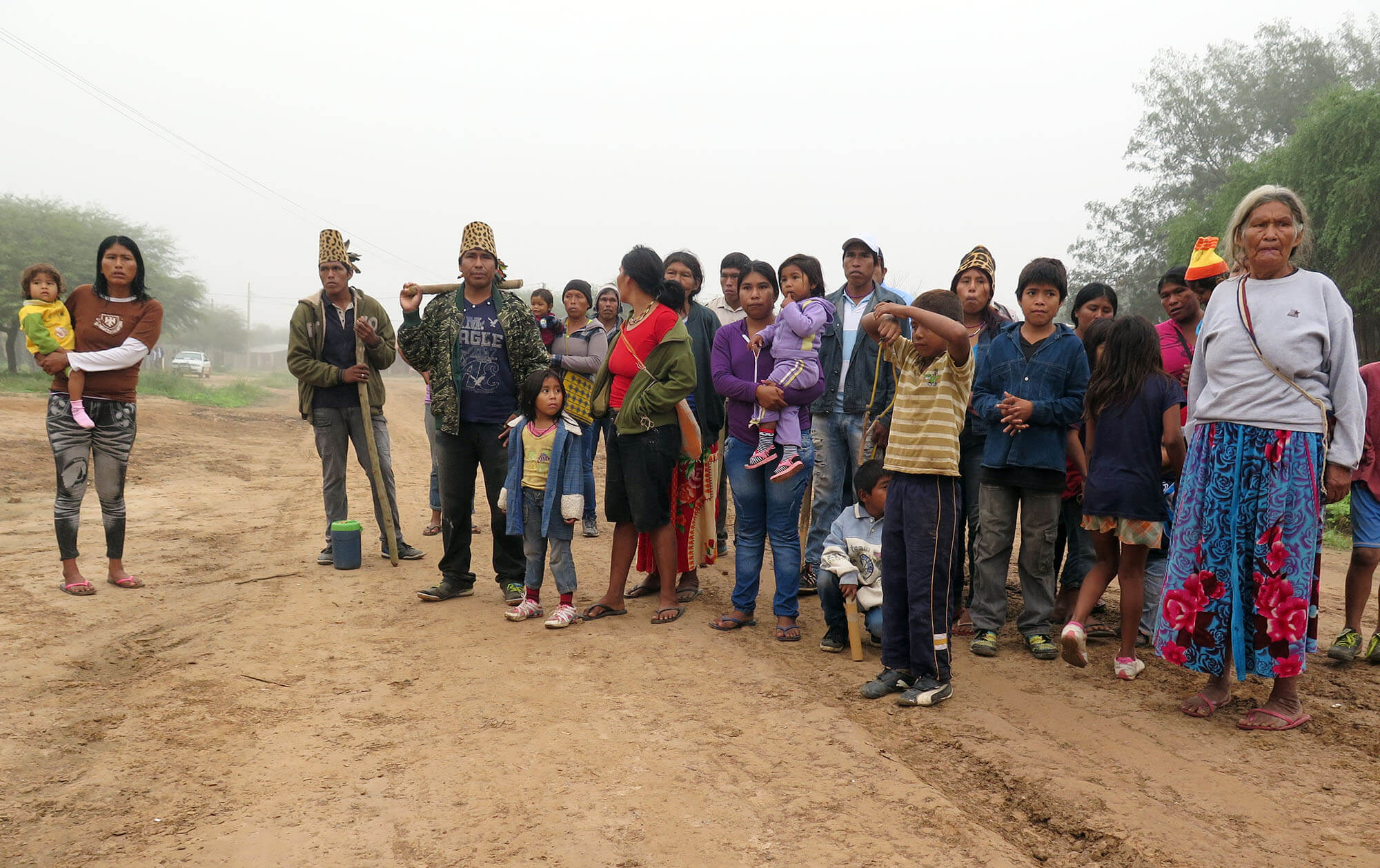
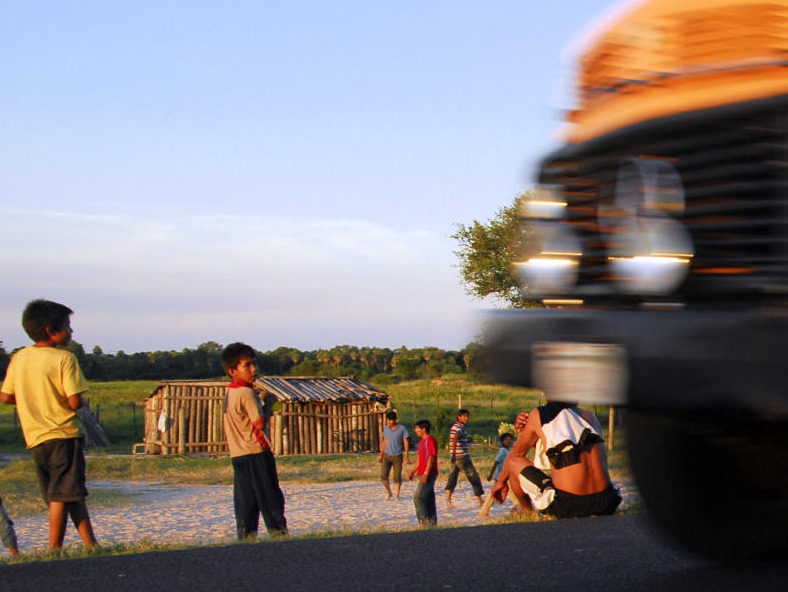
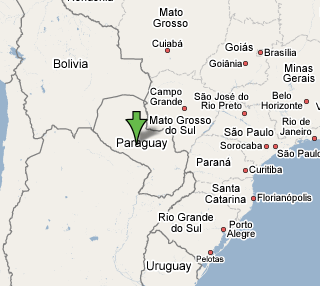
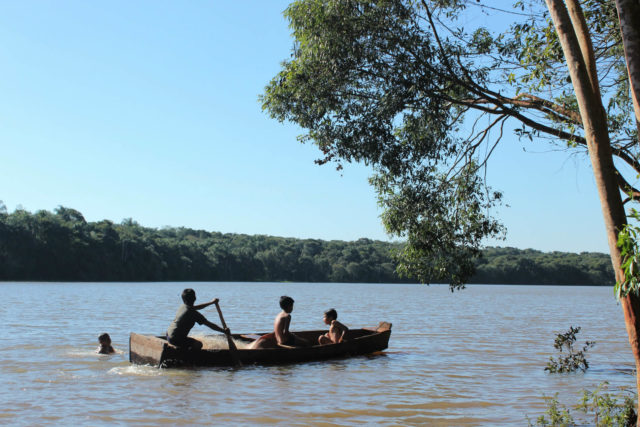
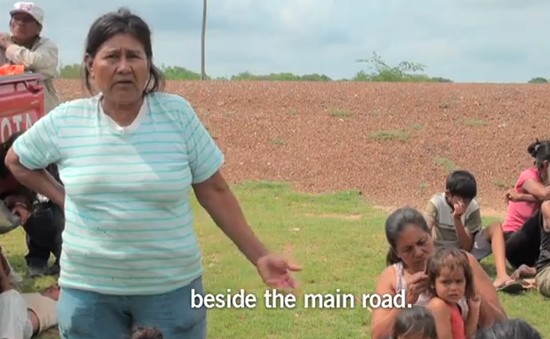
The Enxet community of Sawhoyamaxa has been living beside a road for more than 20 years. When will Paraguay comply with the Inter-American Court of Human Rights’ decision to return ancestral lands to the Sawhoyamaxa?
The community is no longer waiting to find out. On 21 March 2013, Sawhoyamaxa community announced that they will return to occupy their ancestral lands.
“During these 20 years we have been living along the side of a road, watching how cows occupy the land where we used to live and where our parents lived. These lands are ours, and we do not want to live any longer along the side of this road, witnessing powerlessly the birth of our children and the death of our parents and grandparents from this road.
“Our culture, language and traditions are inextricably linked to this land. Without this land, we run the risk of disintegrating as a community.”
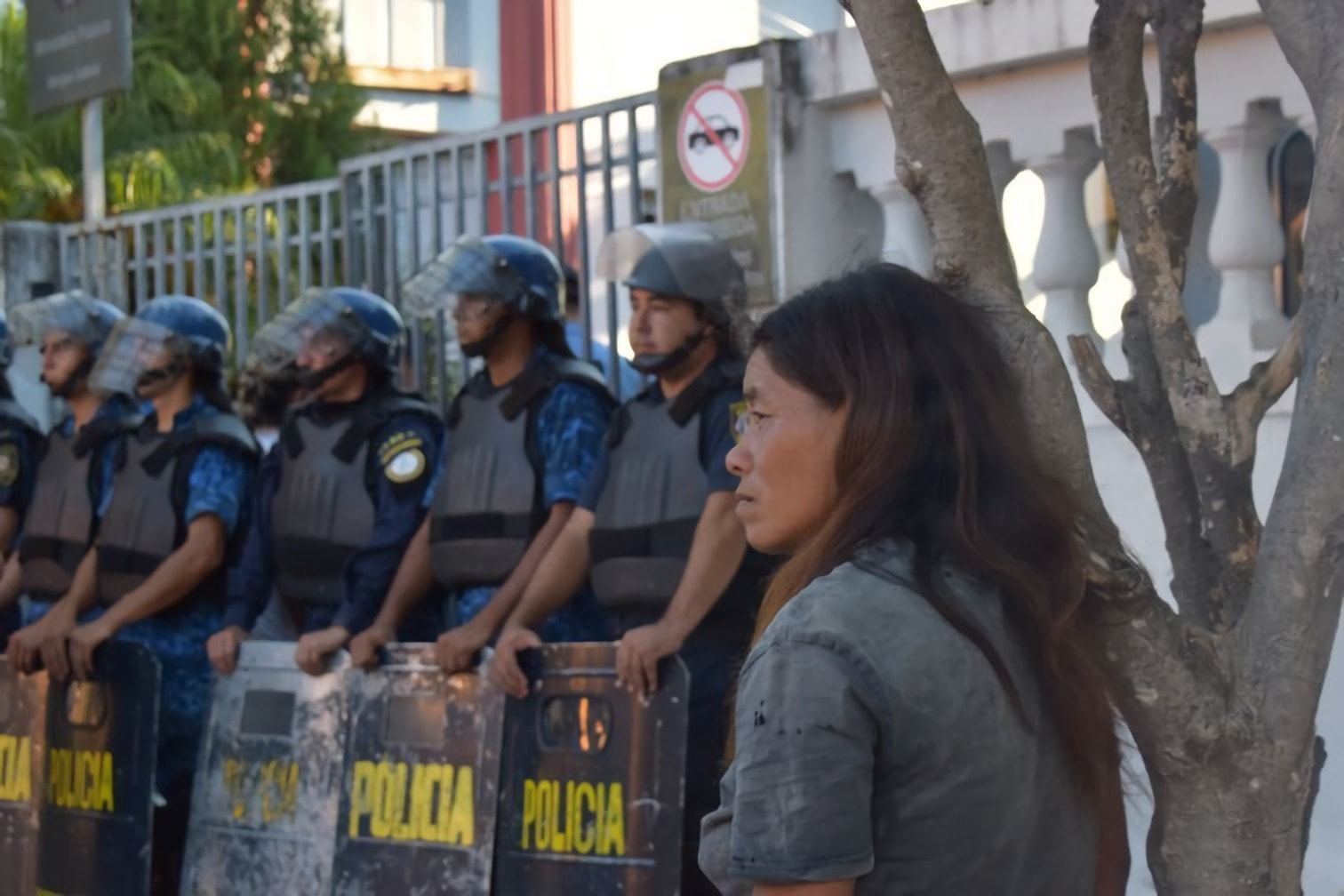
As a part of this effort, the Enxet community calls on the Paraguayan State to “refrain from carrying out any action that would threaten the community in its legitimate struggle to recover its lands, and that it guarantee that no third party threaten our lives or our physical integrity”.
They also call on “our indigenous brothers and sisters to express solidarity with our struggle; similarly, we call to any person who understands our demands to express their solidarity, demanding that the Paraguayan State return our lands. No more expulsion of indigenous peoples! Land restitution for Sawhoyamaxa!”
Across the world right now, Indigenous peoples are facing a renewed assault on their lands, rights, and ways of life.
From extractive industries pushing deeper into ancestral territories, to governments rolling back hard-won protections,
the threat is global—and it is growing.
What makes this moment especially dangerous is how little attention it receives.
Stories like this are disappearing in real time. Mainstream media
barely covers it and the coverage is fragmented. The public is left without the context
needed to understand what is truly at stake.
That is exactly why IC Magazine exists..
For more than 20 years, IC has reported on Indigenous struggles worldwide — consistently, independently, and without compromise.
We don’t follow news cycles; we trace patterns. We don’t sensationalize; we provide context.
And when the world looks away, we stay focused.
But this work is increasingly difficult to sustain.
We refuse to lock our reporting behind a paywall. We don’t sell access through subscriptions.
And we don’t answer to advertisers. IC Magazine survives solely because readers like you choose to
support independent Indigenous journalism.
Please donate today if you can. Every contribution helps us to continue this crucial work.
Thank you,
John Ahni Schertow
Founder and Editor in Chief