Last Updated on April 11, 2025
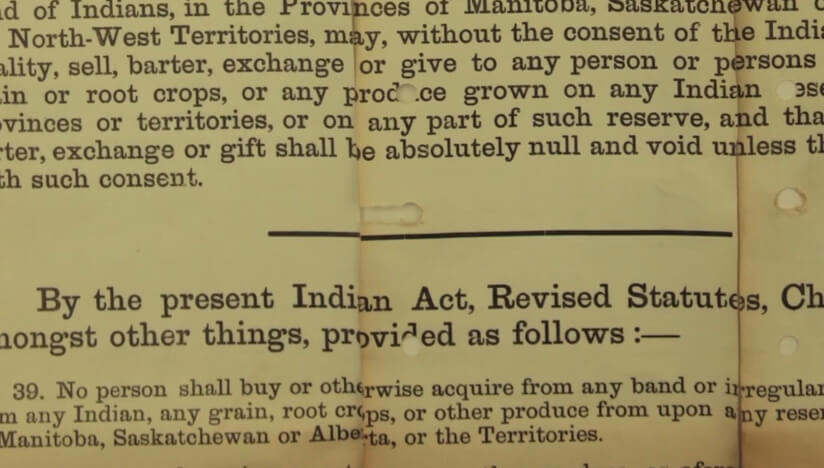
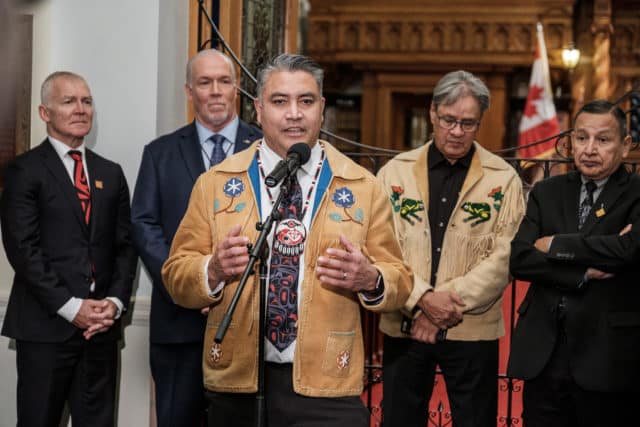
In March 2016, Assembly of Manitoba Chiefs (AMC) Grand Chief Derek Nepinak was given the mandate by Chiefs in Manitoba to begin a discussion about Section 91(24) of Canada’s constitution, which states that the federal government has sole jurisdiction over matters concerning “Indians and lands reserved for the Indians” as well as a discussion about the establishment of the Indian Act.
As a part of this mandate, AMC initiated an education and awareness campaign known as “The Road to Niagra”. The veritable road begins in Winnipeg, MB, on July 7, 2016, and ends in Niagara Falls, ON, where Grand Chief Nepinak will present AMC’s Road to Niagara vision at the Assembly of First Nations 37th Annual General Assembly, July 12-14, 2016.
In preparation for this journey, Grand Chief Derek Nepinak takes a moment in this video briefing to provide viewers with a quick primer on the history of the 1876 Indian Act and its constitutional role as a means to assimilate First Nations into the Canadian political landscape.
With the Canadian government’s recent promise to offer “unqualified support” for the United Nations Declaration of Indigenous Peoples (UNDRIP) “The Road to Niagra” could not have come at a better time. UNDRIP, after all, expressly prohibits any form of forced assimilation or integration. This means the Canadian government must now overhaul – if not completely abolish – the Indian Act, providing it adequately consults with all First Nations before doing so.
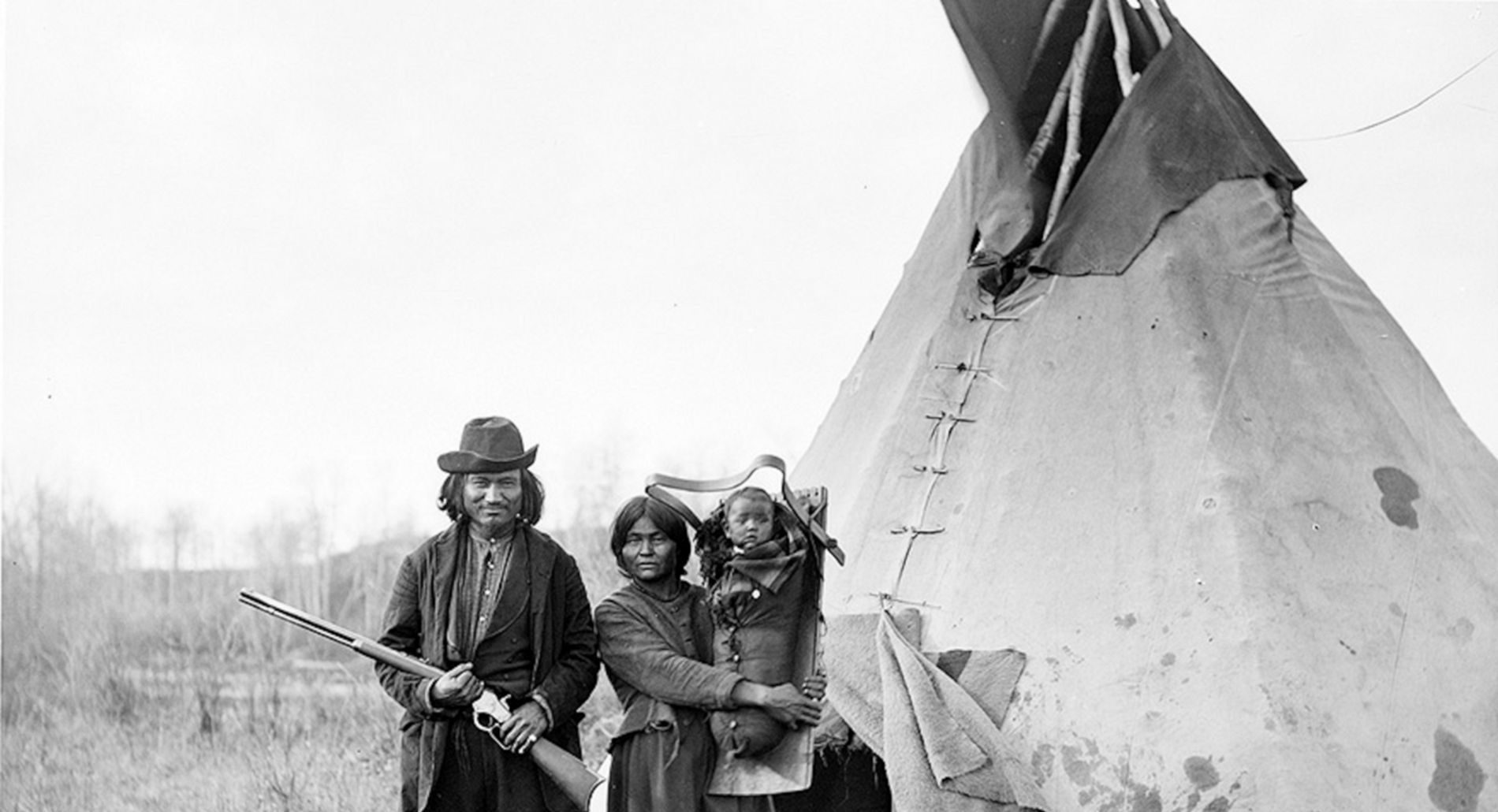
This also means First Nations in Canada now have the opportunity to redefine the Nation to Nation relationship that Canada has used for decades on end to gradually obliterate Indigenous Nationhood through mechanisms like residential schools, the modern treaty process and policies that institutionalize third-world living conditions on reserve.
AMC’s “Road to Niagara” vision may very well be what every First Nation needs in order to thrive as separate and distinct nations alongside Canada.
Across the world right now, Indigenous peoples are facing a renewed assault on their lands, rights, and ways of life.
From extractive industries pushing deeper into ancestral territories, to governments rolling back hard-won protections,
the threat is global—and it is growing.
What makes this moment especially dangerous is how little attention it receives.
Stories like this are disappearing in real time. Mainstream media
barely covers it and the coverage is fragmented. The public is left without the context
needed to understand what is truly at stake.
That is exactly why IC Magazine exists..
For more than 20 years, IC has reported on Indigenous struggles worldwide — consistently, independently, and without compromise.
We don’t follow news cycles; we trace patterns. We don’t sensationalize; we provide context.
And when the world looks away, we stay focused.
But this work is increasingly difficult to sustain.
We refuse to lock our reporting behind a paywall. We don’t sell access through subscriptions.
And we don’t answer to advertisers. IC Magazine survives solely because readers like you choose to
support independent Indigenous journalism.
Please donate today if you can. Every contribution helps us to continue this crucial work.
Thank you,
John Ahni Schertow
Founder and Editor in Chief