
Last Updated on March 21, 2018
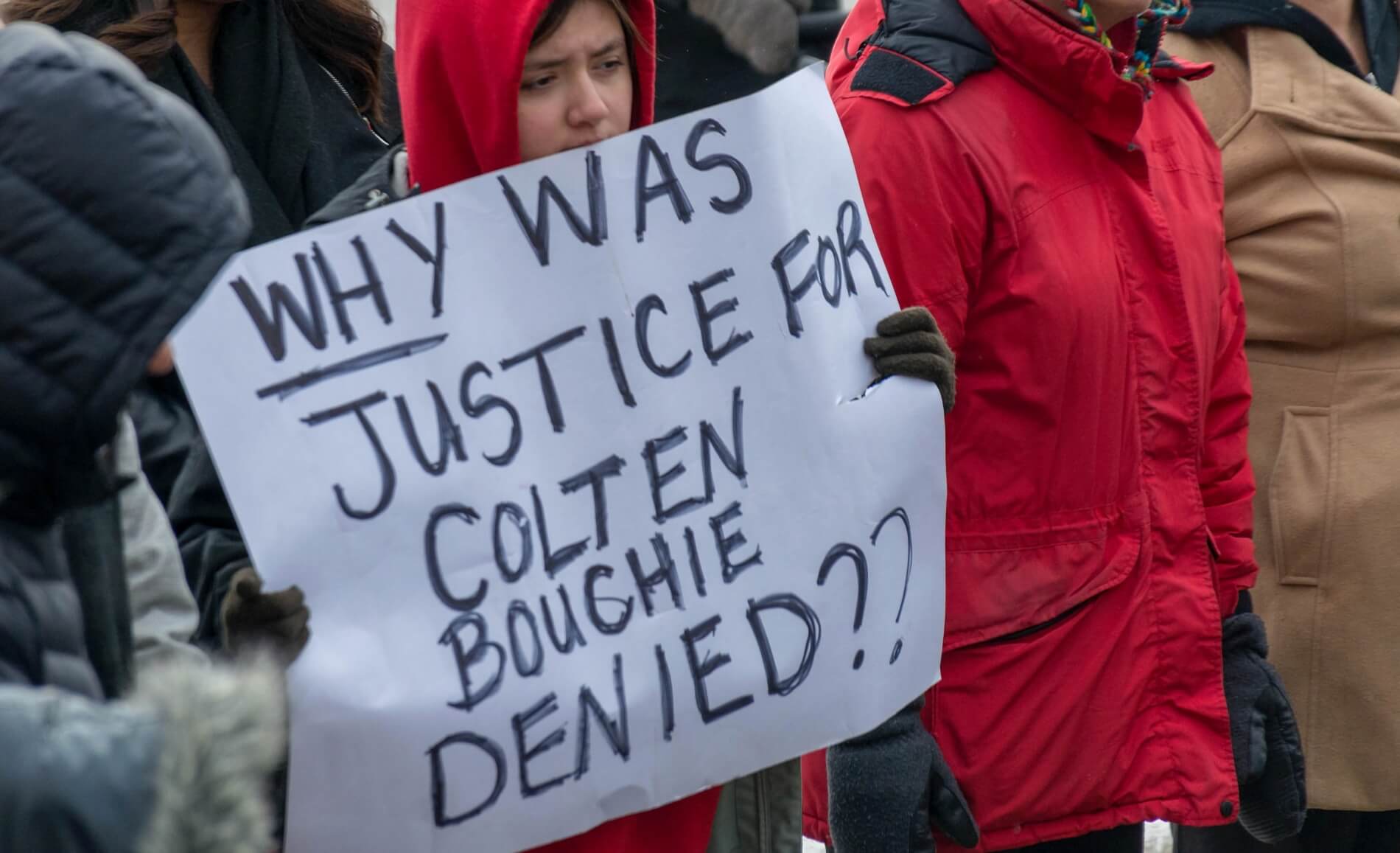
Dr. Signa Daum Shanks of York University’s Osgoode Hall Law School is honoured to host a meeting of a think tank, PROJECT FACT(A), that will bring together a group of legal researchers to examine the many subjects involved in the R v. Stanley criminal trial. The group will release its first set of findings in late April 2018.
This spring, these researchers will examine the role of individual actors involved in the trial, state institutions, and Canadian and Indigenous laws. This trial has already resulted in civic debates and calls for law reform. Through its work, the think tank will provide plain-language information and legal tools for lawyers and others thinking and working inside and outside of the legal system.
R v. Stanley is more than a single trial; it serves as a flashpoint in Canadian-Indigenous relationships. This case has already triggered conversations and debates locally, nationally and internationally on many legal issues. PROJECT FACT(A) seeks to use research to broaden the debate to include reliable, useful information on the following subjects:
o The Charter of Rights and Freedoms
o The Criminal Code of Canada
o Evidence
o Indigenous Laws
o Property Rights: trespass, conceptualization of “private property,” and defence of property
o Formalized ‘Post-Contact’ Indigenous Roles Created by the Crown
o Judicial Procedure
o Law Enforcement
o The Legal Profession: law societies, lawyers associations, and complaints processes
All members of the group are trained as lawyers, researchers and post-secondary educators. They come from a variety of backgrounds and institutions in Canada. Members have come together to augment their own topical experiences with the expertise of others. This allows the group to create a more fulsome understanding of the subjects involved in the trial. The group members are also aware that Indigenous Laws and ‘post-contact’ roles were not explicitly part of the trial, even while these legal realities formed an important context for the events and outcomes. As such, this group integrates these subjects from the outset as it hopes to provide comprehensive information about possible grounds of appeal and avenues for law reform in a way that is reliable, peer-reviewed and accessible to a broader community.
The group is committed to framing this information in a manner that is accessible to non-specialists in these fields and – as important- to non-lawyers. Accordingly, the group will be relying upon guidance from various participants who are part of public legal education, focus on legal regulation, learn and experience Indigenous law and knowledge-gathering, and organize peer-reviewed media focused on public policy.
The group includes the following members:
Emma Cunliffe (UBC)
Signa Daum Shanks, (Osgoode Hall Law School -York)
Alexandra Flynn (University of Toronto)
Jeffery Hewitt (University of Windsor)
Robin McKechney (practitioner and Adjunct Professor, Osgoode Hall Law School)
Kent Roach (University of Toronto)
Kate Sutherland (Osgoode Hall Law School-York)
David Tanovich (University of Windsor)
Estair van Wagner (Osgoode Hall Law School- York)
Across the world right now, Indigenous peoples are facing a renewed assault on their lands, rights, and ways of life.
From extractive industries pushing deeper into ancestral territories, to governments rolling back hard-won protections,
the threat is global—and it is growing.
What makes this moment especially dangerous is how little attention it receives.
Stories like this are disappearing in real time. Mainstream media
barely covers it and the coverage is fragmented. The public is left without the context
needed to understand what is truly at stake.
That is exactly why IC Magazine exists..
For more than 20 years, IC has reported on Indigenous struggles worldwide — consistently, independently, and without compromise.
We don’t follow news cycles; we trace patterns. We don’t sensationalize; we provide context.
And when the world looks away, we stay focused.
But this work is increasingly difficult to sustain.
We refuse to lock our reporting behind a paywall. We don’t sell access through subscriptions.
And we don’t answer to advertisers. IC Magazine survives solely because readers like you choose to
support independent Indigenous journalism.
Please donate today if you can. Every contribution helps us to continue this crucial work.
Thank you,
John Ahni Schertow
Founder and Editor in Chief

