
Last Updated on April 10, 2025
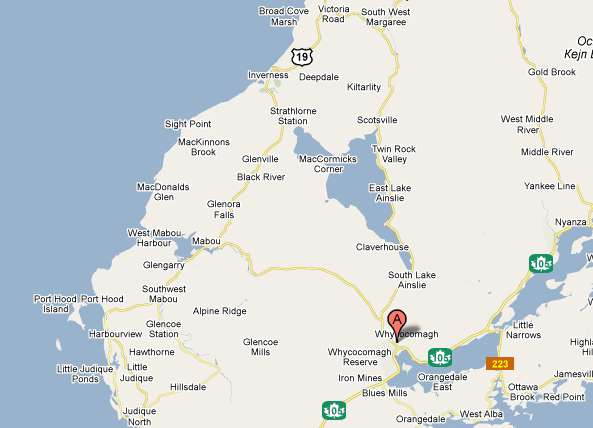
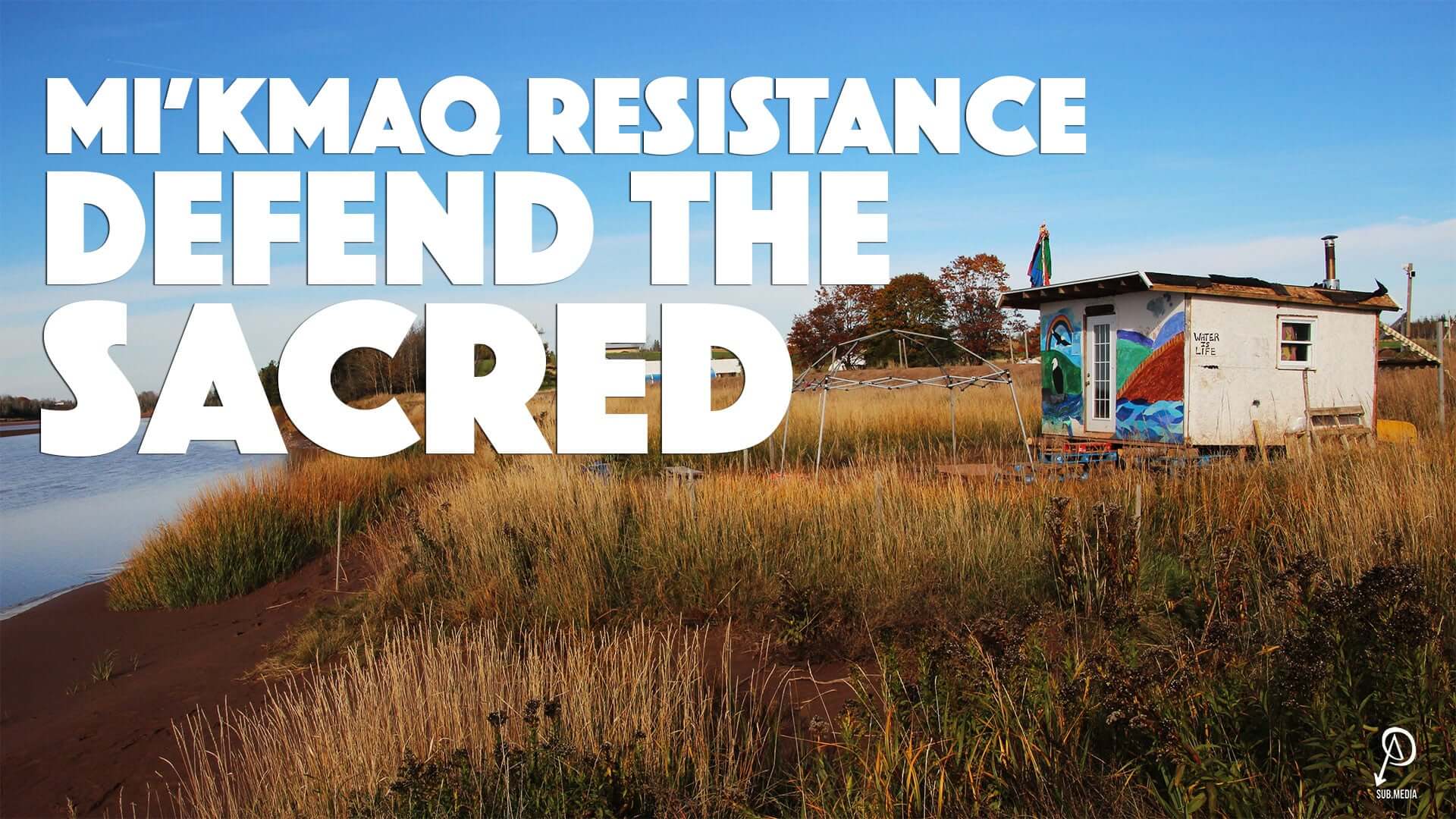
Mi’kmaq and non-Indigenous allies are actively opposing the completion of the Alton Gas project near Stewiacke, Nova Scotia.
Alton Gas proposes to create two salt caverns in the near future in order to store natural gas underground, with the expressed intention to build up to 15 more . The creation of these caverns would result in huge quantities of highly concentrated salt brine, which the company plans to dump down the Shubenacadie River.
There are multiple fundamental problems with this project and the processes through which it was approved. Alton Gas Storage LP and the Nova Scotia government failed to adequately consult local Mi’kmaq communities, as demonstrated through a Supreme Court of Nova Scotia decision and other examples. Furthermore, it is a demonstration of the inadequacies of the current Indigenous consultation and environmental decision making processes. Alton Gas threatens water in the construction, operation, and decommissioning stages, and specifically would cause disastrous consequences for the Shubenacadie River and to all those who depend on it. The project will contribute to the expansion of the fossil fuel industry in Nova Scotia at a time when we need to be rapidly reducing fossil fuel use in order to prevent unbridled climate change.
At full operation, Alton gas will be releasing aprox. 10 million litres of brine (3,170 tonnes of hard salt) into the Shubenacadie River system each day.
Join them on Facebook and Twitter and support their fundraiser.
Across the world right now, Indigenous peoples are facing a renewed assault on their lands, rights, and ways of life.
From extractive industries pushing deeper into ancestral territories, to governments rolling back hard-won protections,
the threat is global—and it is growing.
What makes this moment especially dangerous is how little attention it receives.
Stories like this are disappearing in real time. Mainstream media
barely covers it and the coverage is fragmented. The public is left without the context
needed to understand what is truly at stake.
That is exactly why IC Magazine exists..
For more than 20 years, IC has reported on Indigenous struggles worldwide — consistently, independently, and without compromise.
We don’t follow news cycles; we trace patterns. We don’t sensationalize; we provide context.
And when the world looks away, we stay focused.
But this work is increasingly difficult to sustain.
We refuse to lock our reporting behind a paywall. We don’t sell access through subscriptions.
And we don’t answer to advertisers. IC Magazine survives solely because readers like you choose to
support independent Indigenous journalism.
Please donate today if you can. Every contribution helps us to continue this crucial work.
Thank you,
John Ahni Schertow
Founder and Editor in Chief