Last Updated on May 19, 2019
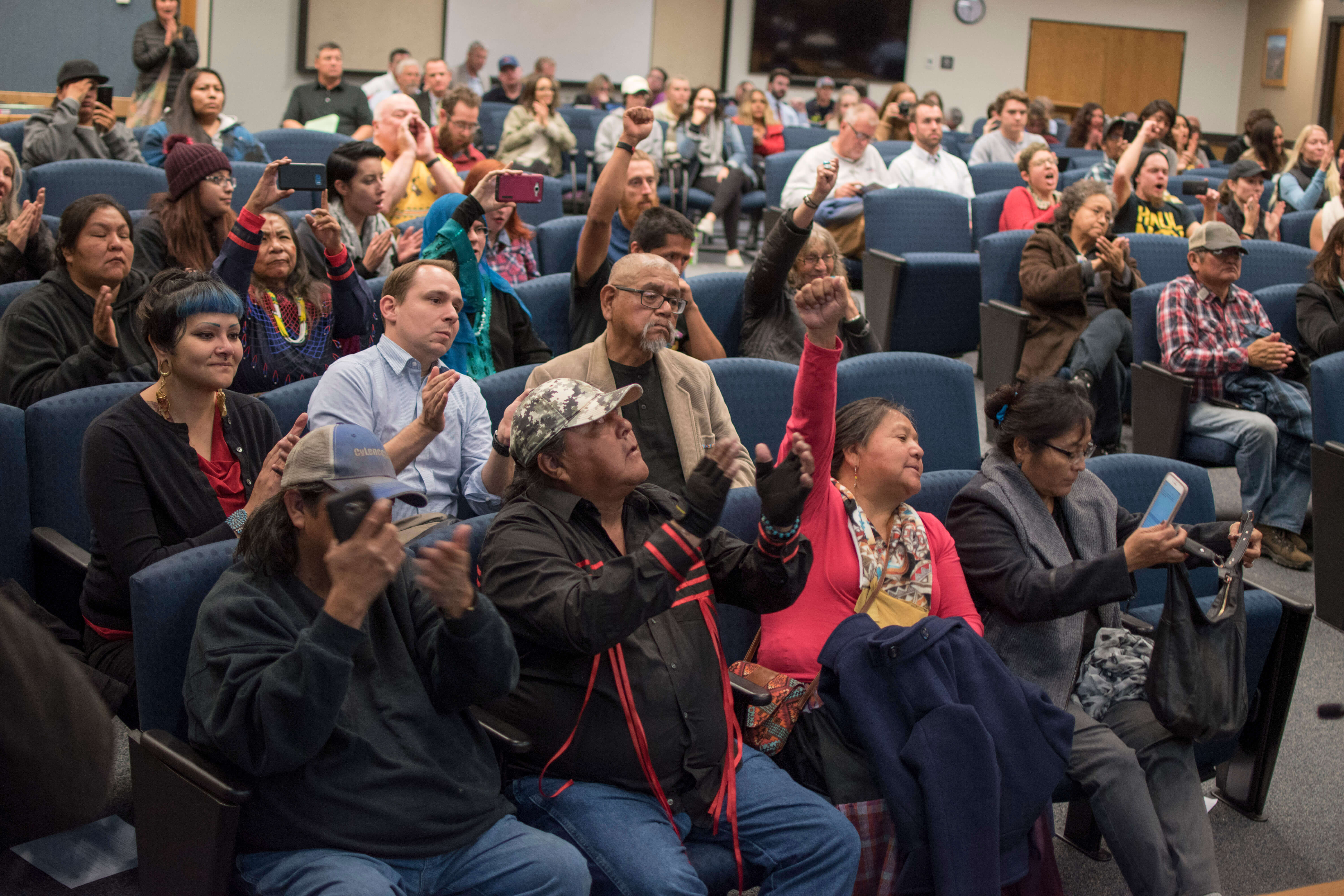
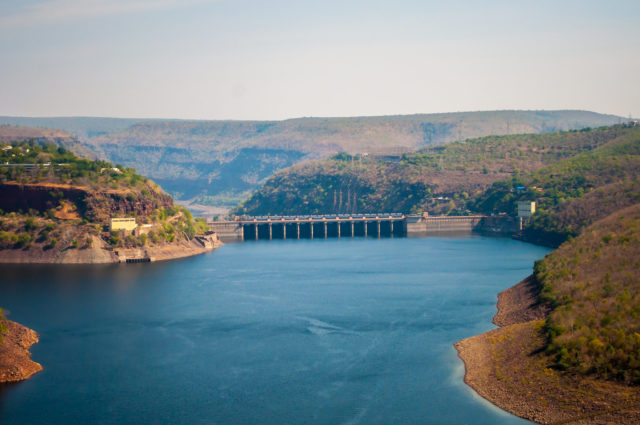
If you want to understand environmental racism in the United States, the Grand Canyon National Park in northwest Arizona makes a good base camp for exploring US policy as it plays out across the indigenous landscape. From the harnessing of the Colorado River via the U.S. Bureau of Reclamation’s Glen Canyon Dam to the coal-fired Navajo Generating Station, U.S. Government funding and policies promote depletion of indigenous rivers and aquifers in order to make lifestyles in Arizona’s desert complete with golf courses and swimming pools.
Uranium mining in Arizona on public lands in the area of the Grand Canyon also comes with government funding, both for development and cleanup, as well as Indian Health Service programs to treat the cancers caused by the former. Then, as you gaze at the sacred San Francisco Peaks in the Coconino National Forest from nearby Flagstaff, you can take in the wonder of indigenous spirituality saturated with sewage water used to manufacture artificial snow for making snowboarding and skiing accessible to those who want a break from golfing and swimming during Christmas holiday.
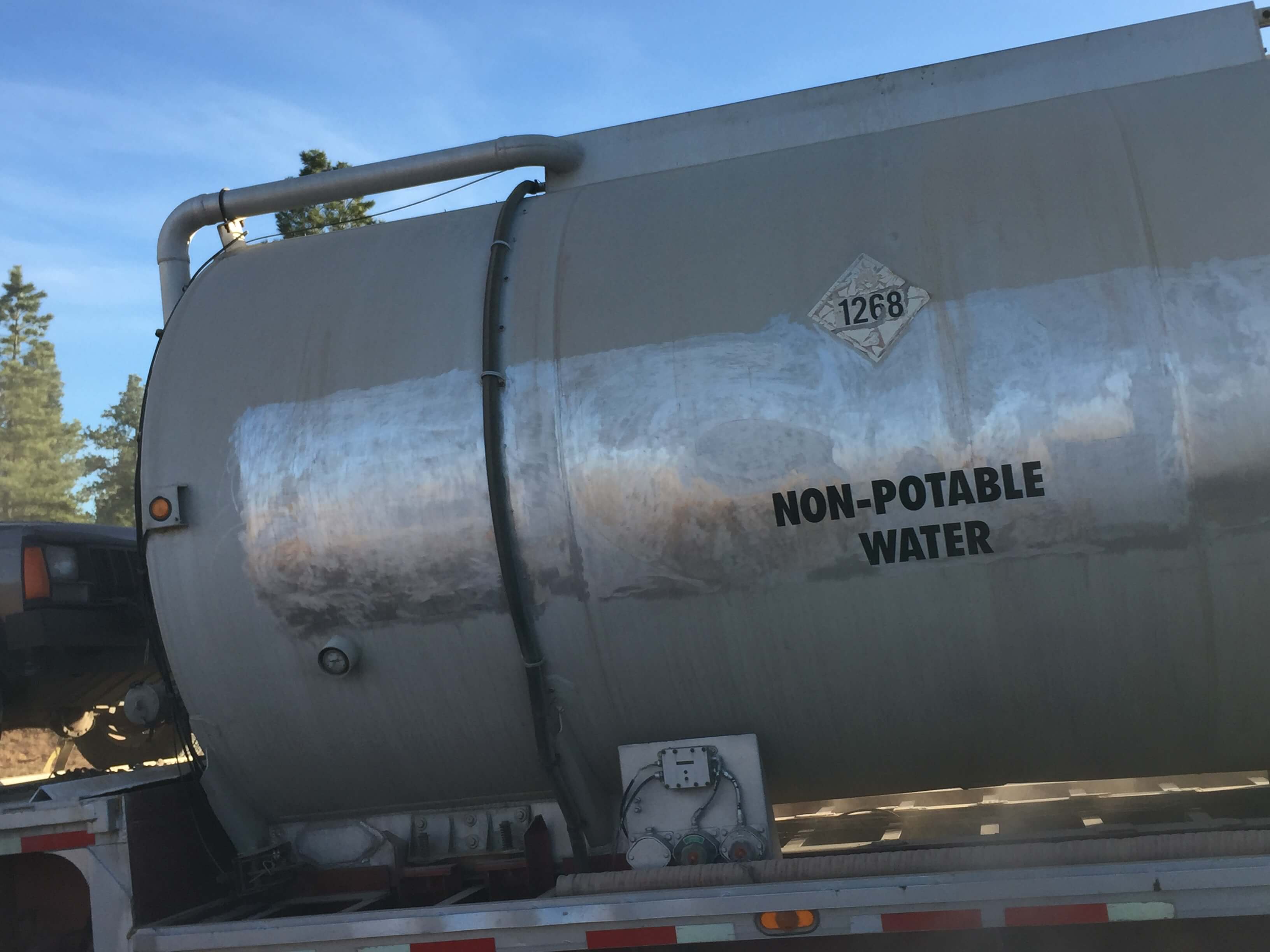
While strip-mining coal from Black Mesa and depleting fossil aquifers to pump the coal slurry to Navajo Generating Station to burn for lighting Las Vegas and chilling Phoenix might seem like a small price to pay for maintaining the American Dream, it is sometimes worth remembering these and other US policies create nightmares for the indigenous communities living daily with the pollution of their water and air and desecration of their lands. But on a day the wind is blowing the coal smoke away from the Grand Canyon, you can always sit on the rim and marvel at what was once an unspoiled view into the mystery of life.
Across the world right now, Indigenous peoples are facing a renewed assault on their lands, rights, and ways of life.
From extractive industries pushing deeper into ancestral territories, to governments rolling back hard-won protections,
the threat is global—and it is growing.
What makes this moment especially dangerous is how little attention it receives.
Stories like this are disappearing in real time. Mainstream media
barely covers it and the coverage is fragmented. The public is left without the context
needed to understand what is truly at stake.
That is exactly why IC Magazine exists..
For more than 20 years, IC has reported on Indigenous struggles worldwide — consistently, independently, and without compromise.
We don’t follow news cycles; we trace patterns. We don’t sensationalize; we provide context.
And when the world looks away, we stay focused.
But this work is increasingly difficult to sustain.
We refuse to lock our reporting behind a paywall. We don’t sell access through subscriptions.
And we don’t answer to advertisers. IC Magazine survives solely because readers like you choose to
support independent Indigenous journalism.
Please donate today if you can. Every contribution helps us to continue this crucial work.
Thank you,
John Ahni Schertow
Founder and Editor in Chief