
Last Updated on April 8, 2025
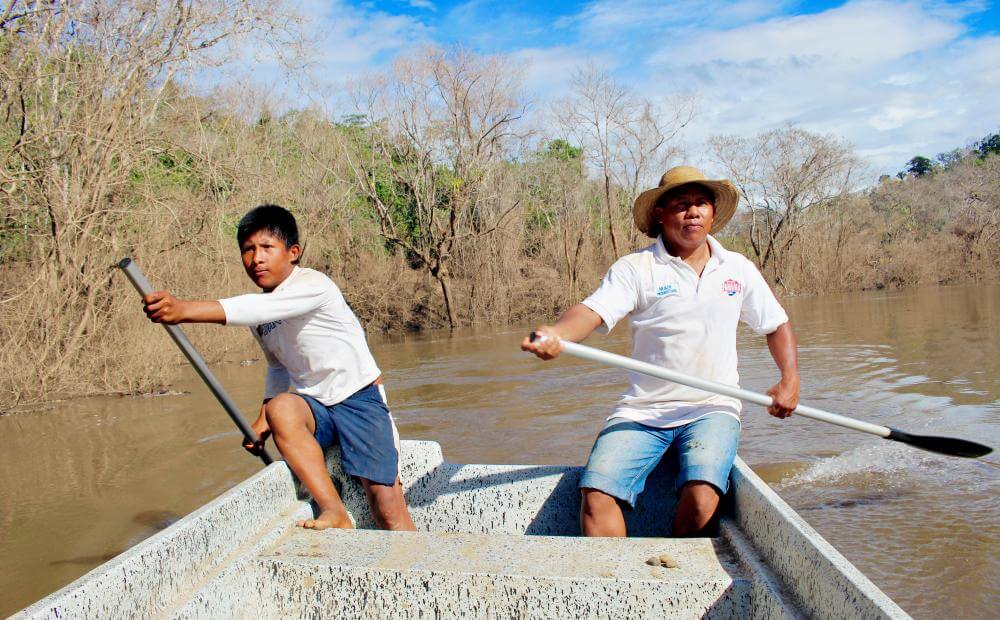
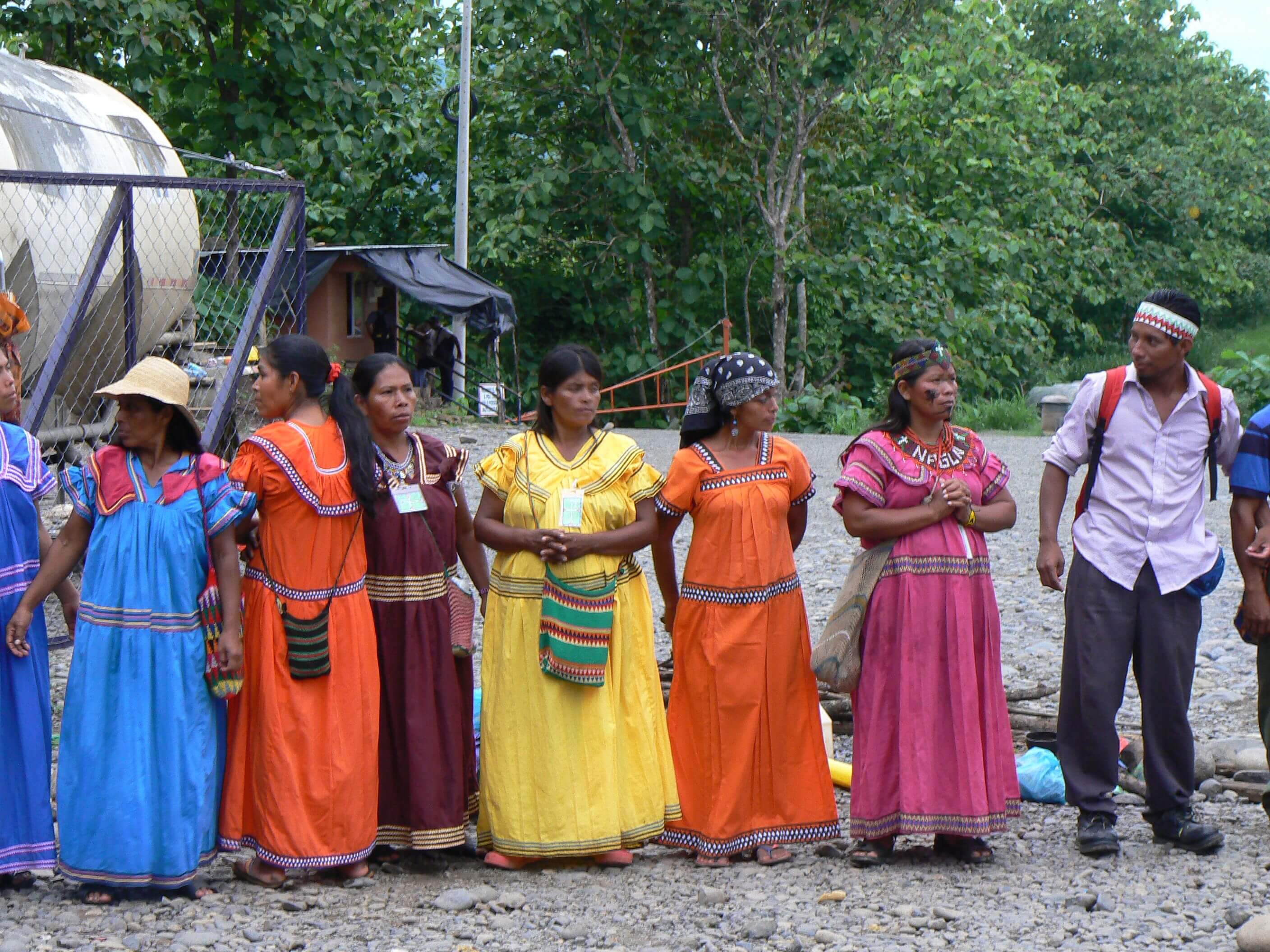
The Indigenous Ngabe and campesino communities living on the banks of the Tabasará river in western Panama are facing imminent disaster due to the illegal activities of Honduran-owned company, Generadora del Istmo (Genisa).
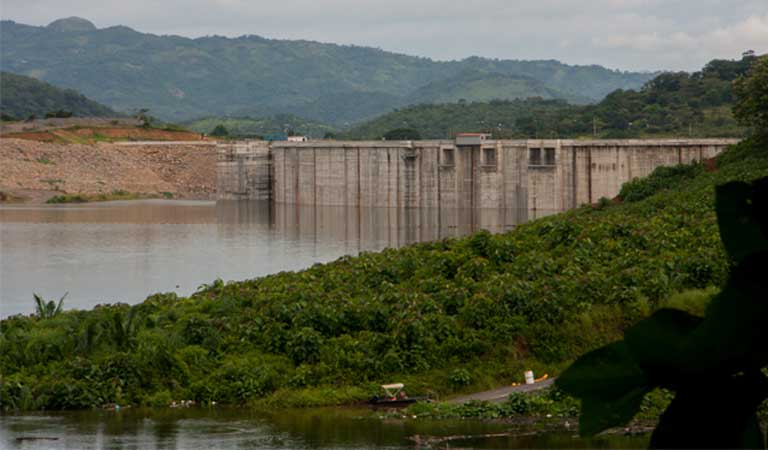
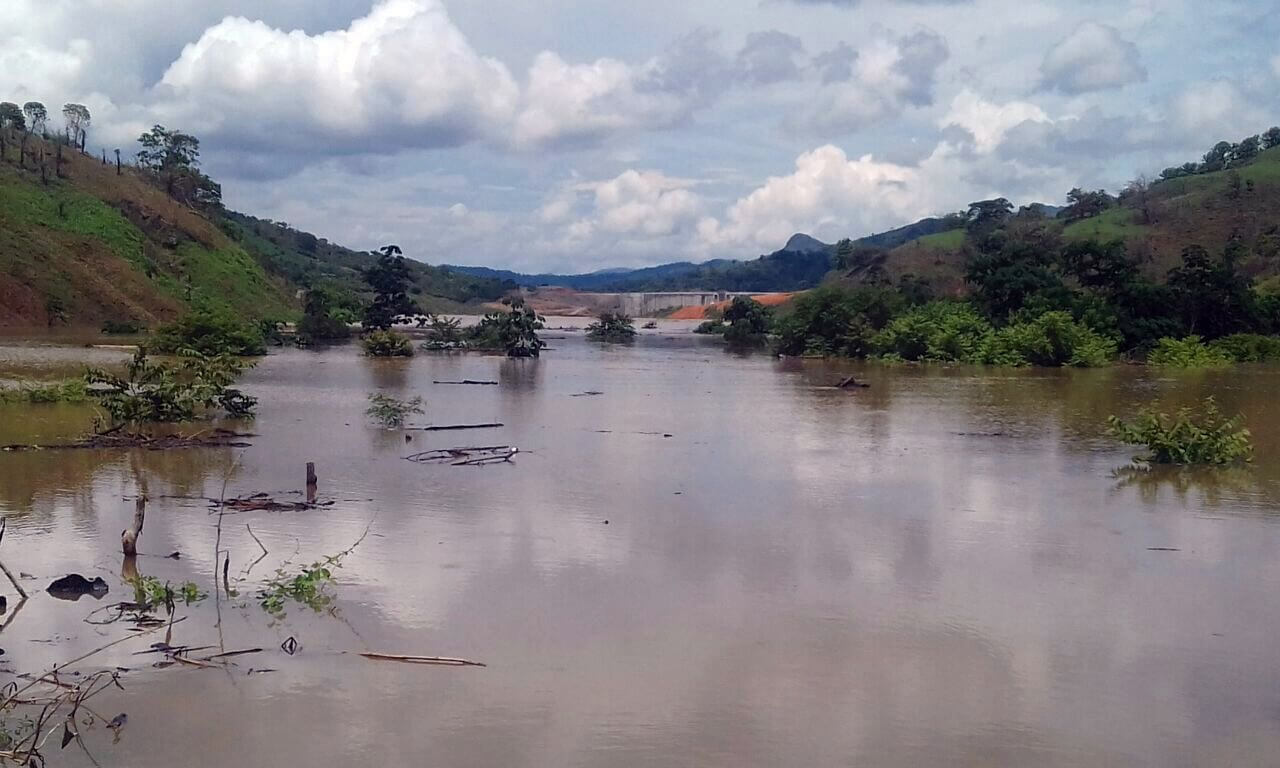
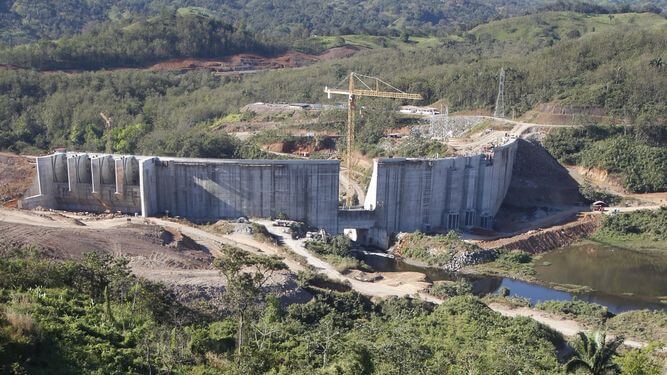
The 28.85 megawatt Barro Blanco hydroelectric dam threatens to cut off the flow of the river and create a 258 hectare reservoir, flooding numerous homes, precious gallery forests, schools, churches, cemeteries, archaeological sites, and fertile agricultural land that the communities rely upon for subsistence agriculture – these facts have been confirmed by a recent UN field study. The dam will also exterminate vital fish species which form a staple of local diets.
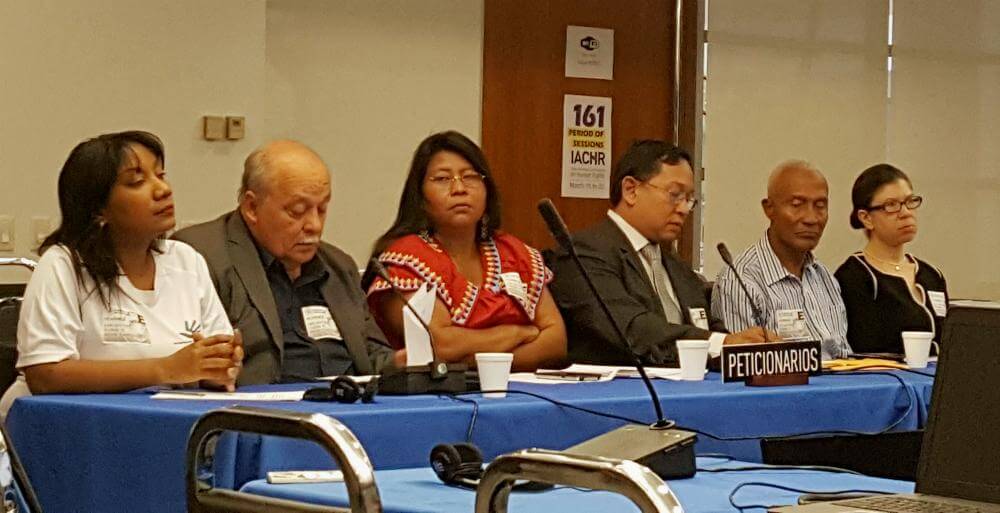
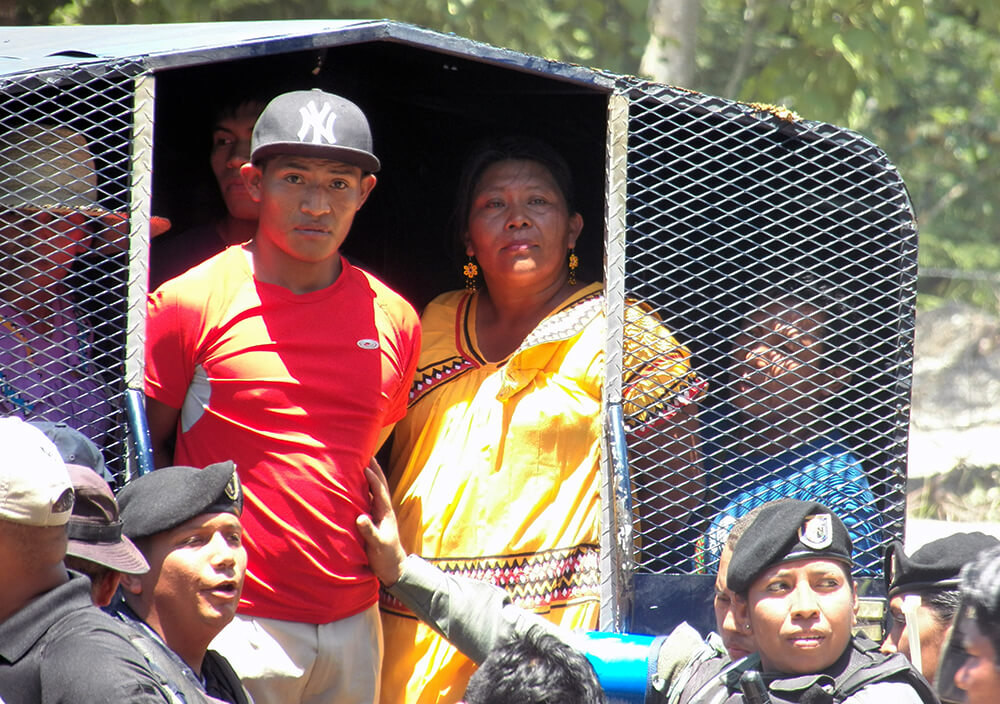
Genisa denies it is taking food out of the mouths of Panama’s poorest people, yet it has never consulted any of the affected communities; the project contravenes international and national laws. Nonetheless, the Panamanian government continues to side with the company and is currently militarizing the area with heavily armed SENAFRONT police troops. Recent clashes with riot squads have left some Ngabe protesters with injuries; the situation remains tense.
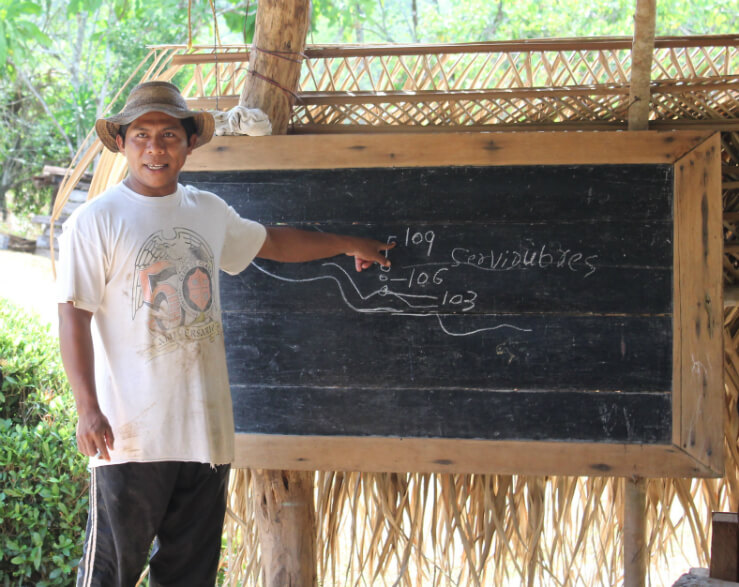
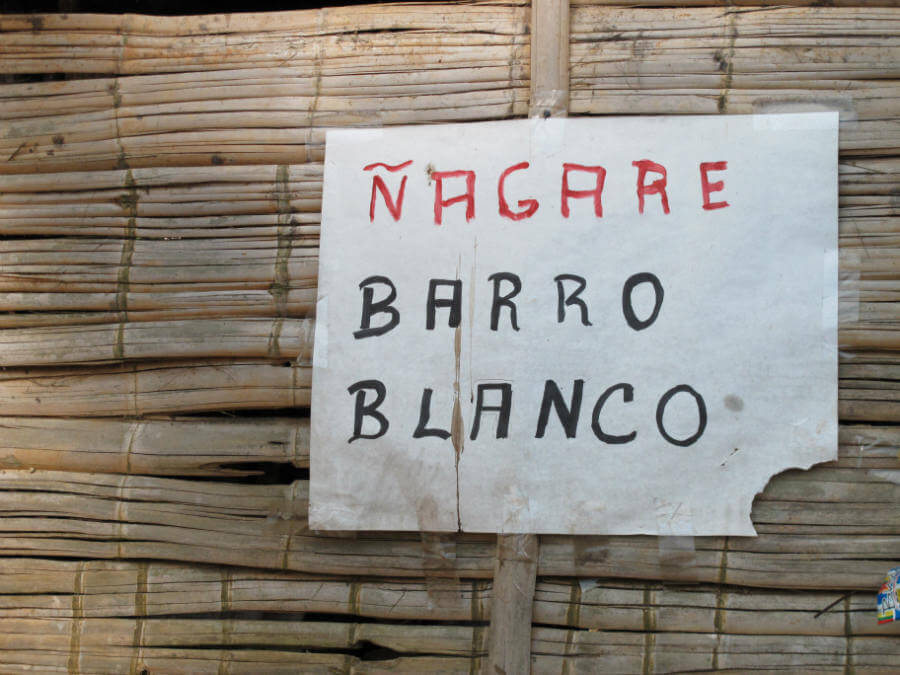
Ñagare Barro Blanco (Ñagare means ‘no’ emphatically, the equivalent of saying ‘no’ three times) was filmed in the indigenous and campesino settlements of Kia, Nuevo Palomar, and Calabacito in February 2013. It explores the endangered culture of the Tabasará communities, their fierce resistance to dam development, and their willingness to protect their natural resources and way of life at any cost.
(Spanish with English subtitles)
Across the world right now, Indigenous peoples are facing a renewed assault on their lands, rights, and ways of life.
From extractive industries pushing deeper into ancestral territories, to governments rolling back hard-won protections,
the threat is global—and it is growing.
What makes this moment especially dangerous is how little attention it receives.
Stories like this are disappearing in real time. Mainstream media
barely covers it and the coverage is fragmented. The public is left without the context
needed to understand what is truly at stake.
That is exactly why IC Magazine exists..
For more than 20 years, IC has reported on Indigenous struggles worldwide — consistently, independently, and without compromise.
We don’t follow news cycles; we trace patterns. We don’t sensationalize; we provide context.
And when the world looks away, we stay focused.
But this work is increasingly difficult to sustain.
We refuse to lock our reporting behind a paywall. We don’t sell access through subscriptions.
And we don’t answer to advertisers. IC Magazine survives solely because readers like you choose to
support independent Indigenous journalism.
Please donate today if you can. Every contribution helps us to continue this crucial work.
Thank you,
John Ahni Schertow
Founder and Editor in Chief