
Last Updated on August 31, 2026
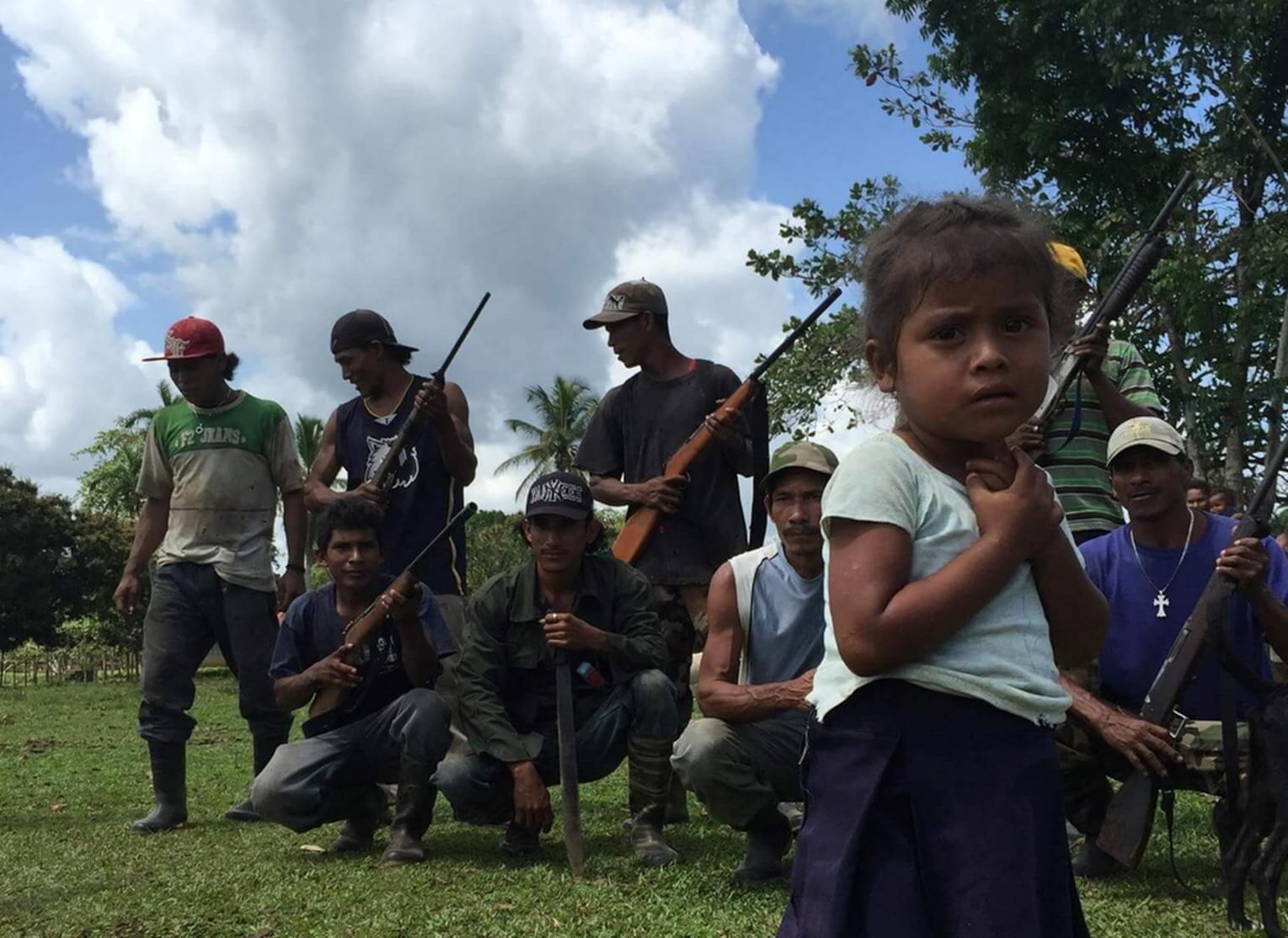
The Bosawás Biosphere Reserve (Reserva Natural Bosawás) is located in the semi-autonomous region of Nicaragua and it continues to weather nebulous attacks by those seeking to exploit its abundant natural resources.
The ‘Lungs of Central America’ — as it is known — is nestled inside the semi-autonomous Indigenous nation of La Moskitia, a territory which spans from the Northern Caribbean coastal area of Nicaragua and into Honduras.
Since the highly publicized tragedy of the ‘post-disappeared’ death in detainment of Indigenous Miskito leader, Brooklyn Rivera, the arbitrary detention and disappearances under the regime of Daniel Ortega have continued.
Rivera’s own son managed to elude capture and escape into hiding after his death. Other members of Rivera’s family have not been so lucky.
According to the latest report by the Mechanism for the Recognition of Political Prisoners, further circulated by ‘La Prensa’, six members of Rivera’s family are now identified on the most recent political prisoner list which was updated July 31st of this year.
And other Indigenous leaders, including Steadman Faggoth — once claimed as an opposition figure to Rivera with different views about the regime by Nicaraguan and Venezuelan propaganda outlets in attempts to discredit previous reporting by Intercontinental Cry (IC) (they were admittedly concerned about the broad dissemination of reports among other ‘progressive outlets’) — who was of course also tragically disappeared by the FSLN and continues to be arbitrarily detained allegedly since the day after he criticized Ortega over environmental and land rights issues.
Proof of life for Faggoth was provided recently via the picture of him visiting his wife.
Proof of life for Rivera was disseminated only a short time before his death in custody.
Per capita by population, Indigenous Peoples represent a disproportionately large percentage of political prisoners in an administration that has finally shown its true colors to the world with their recent announcement that Nicaragua would no longer be holding elections.
Of the 60 political prisoners identified per this report, which may not be up to date (due to the nature of the escalations) or comprehensive (due to the nature of disappearances and the reluctance of relatives to report loved ones missing for fear of repercussions) the number of political prisoners escalated by 14 from May-July 2026.
Recently-deceased Miskito and Indigenous YATAMA political leader Brooklyn Rivera’s family members make up almost half of these additional 14.
It is factual to say the latest attacks have mostly targeted Indigenous Peoples.
In total, Indigenous Peoples of Nicaragua make up at least 30% of the political prisoners, with a full 18 identified in the report being from the remote Indigenous territory of La Moskitia alone.
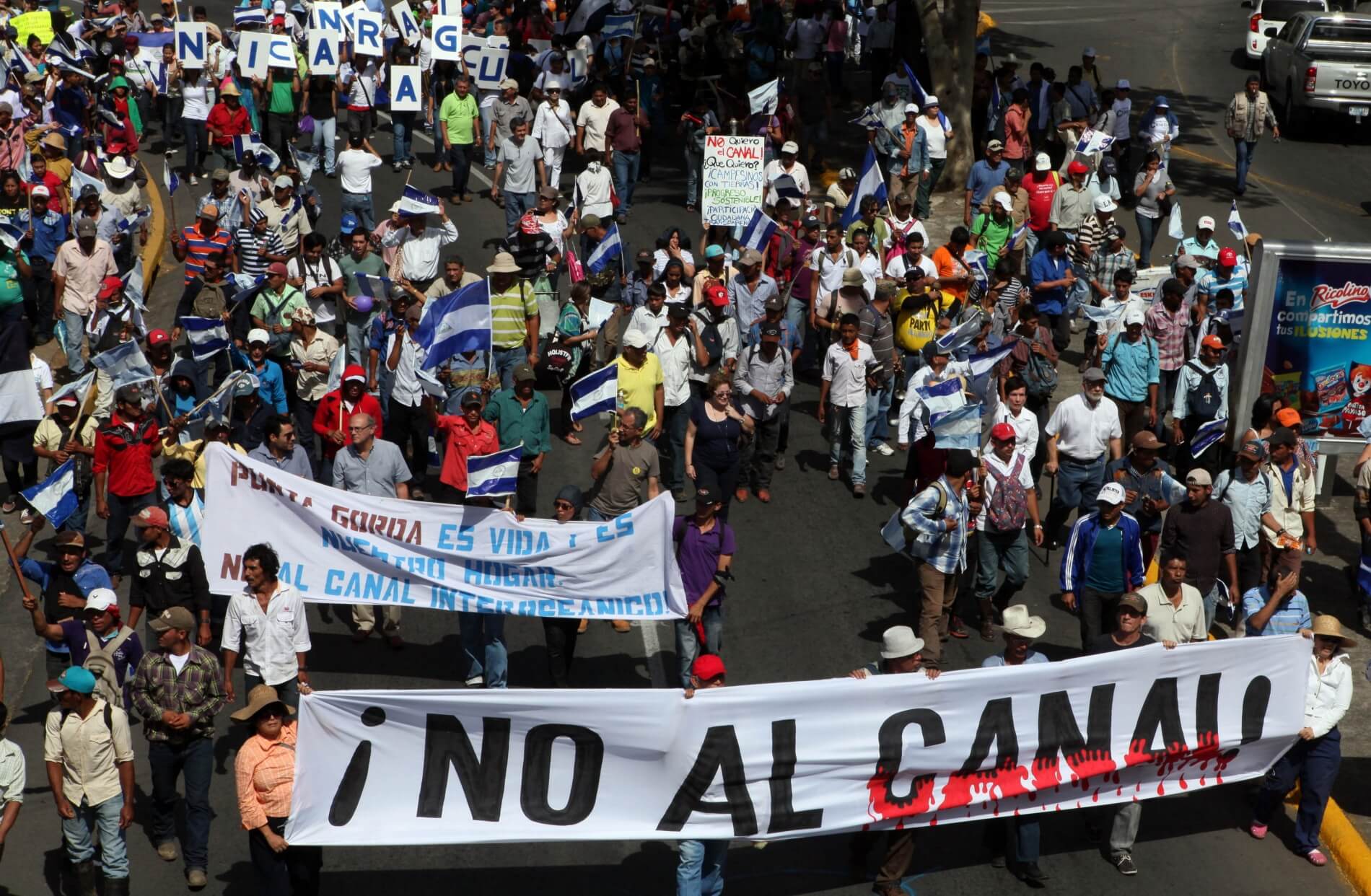
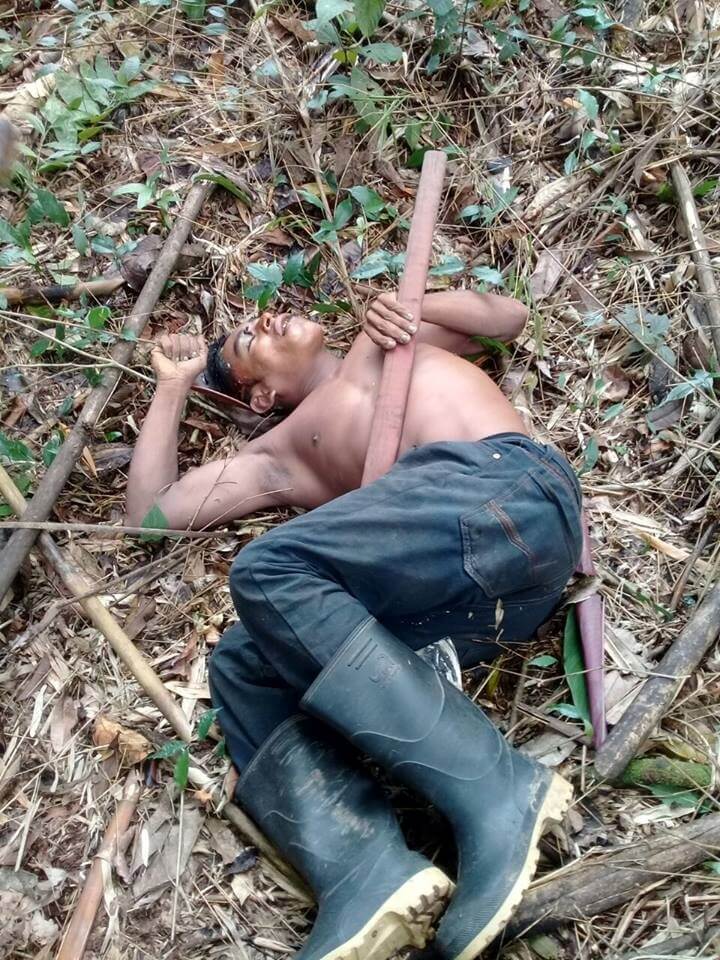
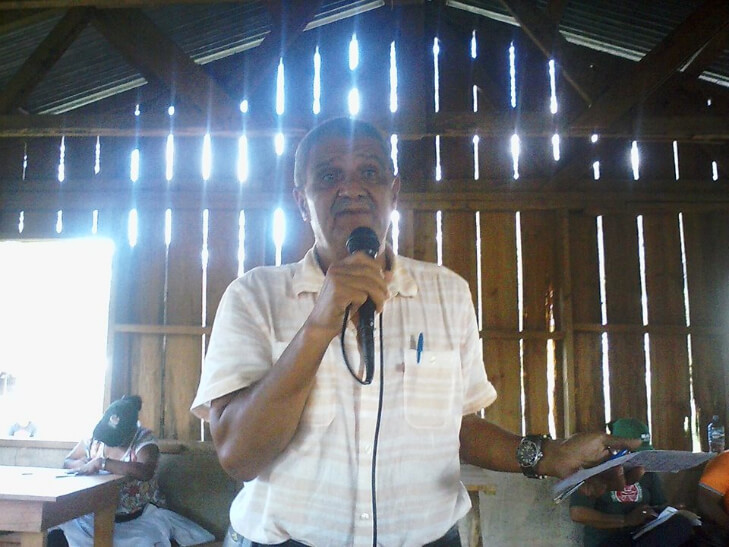
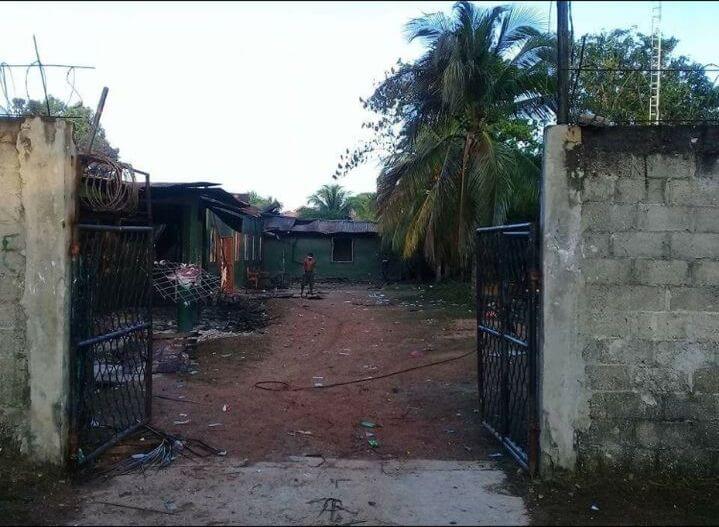
IC has been reporting for years about the FSLN’s violent attempts to ultimately nationalize and exploit the highly biodiverse rainforest in the reserve — as they have attempted before — and this shocking revelation of forest ranger detentions fixes this environmental issue at the crux of ongoing state terrorism against Indigenous Peoples.
These specific attacks and designated politically- motivated detentions laid bare that there are fundamental issues at stake beyond any accusations of strictly ‘political interference’ — which can always be lamented as ‘Western interference’ due to the complex history of the region and its role in a U.S. proxy war with Russia.
The Organization of American States (OAS) recently voted to “convene an emergency meeting” over Ortega’s declaration that Nicaragua would hold no more elections.
Brazil (a BRIC country, at least economically aligned with Nicaragua’s biggest ally, Russia) was the only state to vote against it, while Mexico exercised their right to abstain from the vote.
Otherwise, the decision to take further collective emergency action was virtually unanimous.
This is important because the OAS is an international body that the current U.S. administration is still willing to work with as they continue breathing harsh rhetoric toward the newly cemented dictatorship status of the Neo-Sandinista regime and continue to condemn actions of the state, including in regards to political prisoners such as Faggoth and Rivera.
Yet, not wholly unlike Nicaragua, this administration is simultaneously seeking to remove the U.S. from the influence of international law and are further positioning attempts to dismantle the influence of the International Criminal Court through various public challenges and accusations.
In July of this year, the United Nations condemned the cessation of elections by the FSLN as violation of Nicaraguan law.
Across the world right now, Indigenous peoples are facing a renewed assault on their lands, rights, and ways of life.
From extractive industries pushing deeper into ancestral territories, to governments rolling back hard-won protections,
the threat is global—and it is growing.
What makes this moment especially dangerous is how little attention it receives.
Stories like this are disappearing in real time. Mainstream media
barely covers it and the coverage is fragmented. The public is left without the context
needed to understand what is truly at stake.
That is exactly why IC Magazine exists..
For more than 20 years, IC has reported on Indigenous struggles worldwide — consistently, independently, and without compromise.
We don’t follow news cycles; we trace patterns. We don’t sensationalize; we provide context.
And when the world looks away, we stay focused.
But this work is increasingly difficult to sustain.
We refuse to lock our reporting behind a paywall. We don’t sell access through subscriptions.
And we don’t answer to advertisers. IC Magazine survives solely because readers like you choose to
support independent Indigenous journalism.
Please donate today if you can. Every contribution helps us to continue this crucial work.
Thank you,
John Ahni Schertow
Founder and Editor in Chief