Last Updated on June 6, 2013
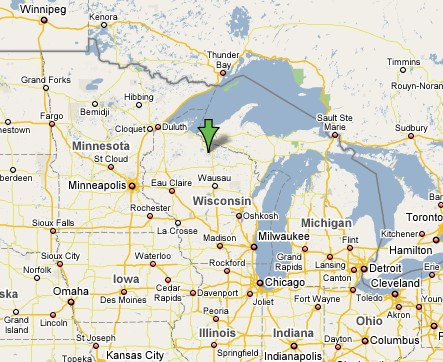
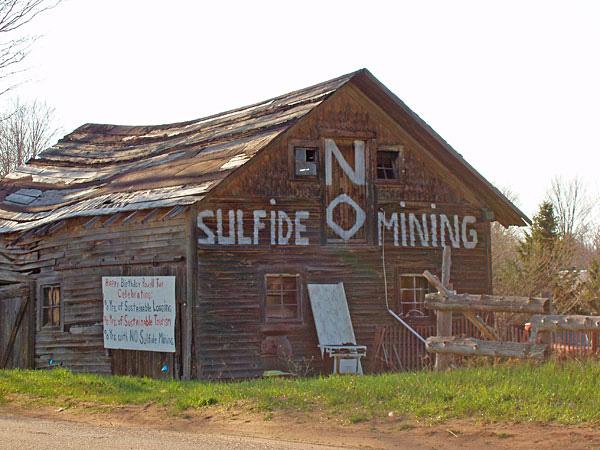
The Lac Courte Oreilles Ojibwe tribe has opened a treaty harvest and educational camp on public lands in the Penokee Hills, near the site of the proposed worlds largest open pit iron mine, upstream from the Bad River Reservation. The site includes an area that hosted almost 200 Indian allotments in the late 1800 which were stolen, or deceptively removed from Indian ownership in favor of wealthy investors of the original shaft mining in the area. Ancient mining artifacts in the region have been carbon dated to 260AD. The camp will be open for hunting, fishing, harvesting [wild rice and maple syrup] and public recreational use as defined by treaty and public laws.
An anonymous supporter involved with the camp had this to say
“…Folks are camped out in the woods, they do not have a lot of access to communication. They are just asking folks to show up! They are definitely ready for a massive influx of people, and a massive influx of people is exactly what they need to stop this terrible mine project before it even starts – so if you feel called, please just do it!
“You can find more about the camp and a video of the site, here.
“If you make it up there, but are unsure how to find the site, visit the Penokee Hills Education Project office in Ashland, 616 West Main Street. Someone there will be happy to help you.
“Please forward this message widely—especially if you cant travel up to Iron County, send a friend (or two or three).”
Across the world right now, Indigenous peoples are facing a renewed assault on their lands, rights, and ways of life.
From extractive industries pushing deeper into ancestral territories, to governments rolling back hard-won protections,
the threat is global—and it is growing.
What makes this moment especially dangerous is how little attention it receives.
Stories like this are disappearing in real time. Mainstream media
barely covers it and the coverage is fragmented. The public is left without the context
needed to understand what is truly at stake.
That is exactly why IC Magazine exists..
For more than 20 years, IC has reported on Indigenous struggles worldwide — consistently, independently, and without compromise.
We don’t follow news cycles; we trace patterns. We don’t sensationalize; we provide context.
And when the world looks away, we stay focused.
But this work is increasingly difficult to sustain.
We refuse to lock our reporting behind a paywall. We don’t sell access through subscriptions.
And we don’t answer to advertisers. IC Magazine survives solely because readers like you choose to
support independent Indigenous journalism.
Please donate today if you can. Every contribution helps us to continue this crucial work.
Thank you,
John Ahni Schertow
Founder and Editor in Chief