Last Updated on August 3, 2018
It is difficult to say whether author Jared Diamond writes from ignorance or malice, but his distorted perception of tribal peoples is certainly getting a lot of attention. As an act of sensationalist self-promotion, perhaps his neoliberal views so eagerly embraced by Wall Street are merely show business, something to guarantee his nonsense will become a best-seller. Such is the nature of market ethics.
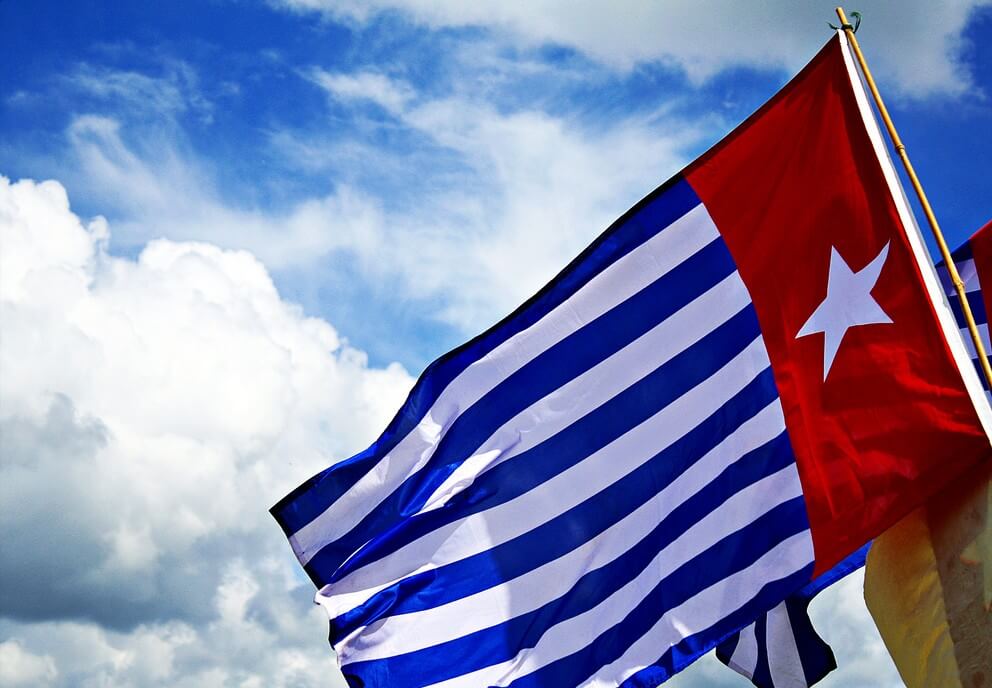
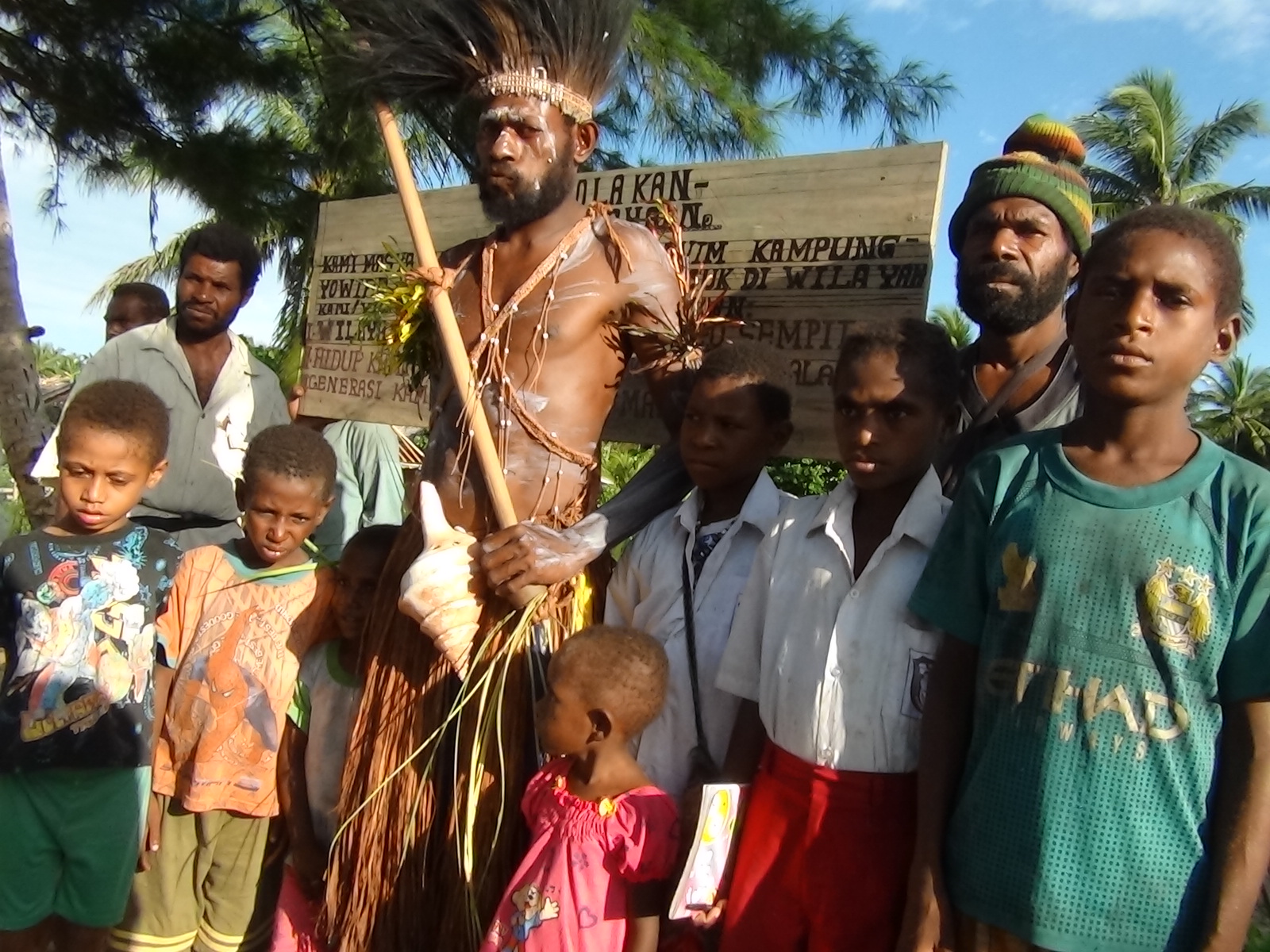
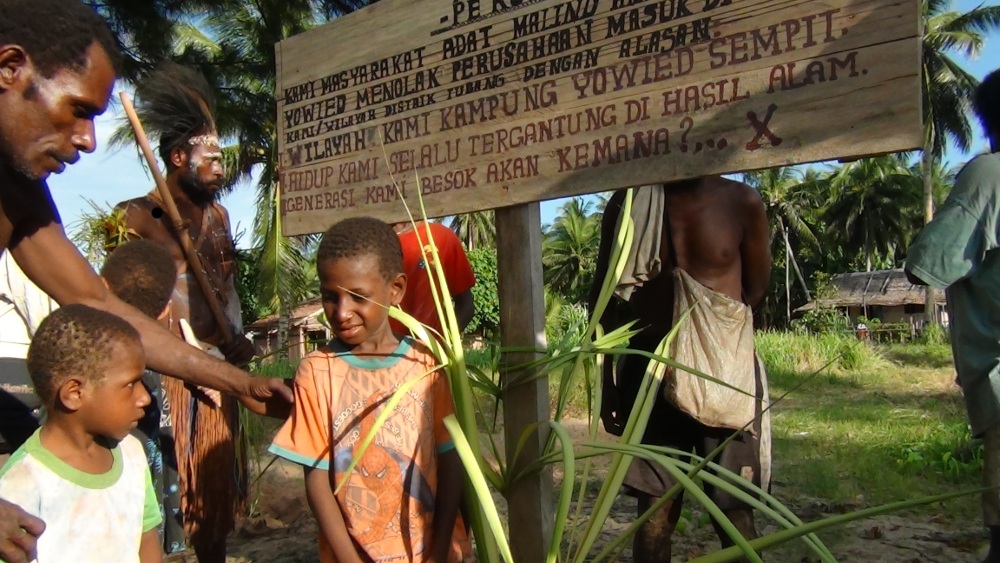
As Galdu reports, though, perpetuating institutional prejudice has real world consequences, and authors who promote bigotry for profit must be held accountable. In the case of the West Papuans, those consequences include retroactive justification to US funding for Indonesian military death squads that have murdered 100,000 West Papuans in pursuit of plundering their territory alongside Australian, Canadian and American corporations.
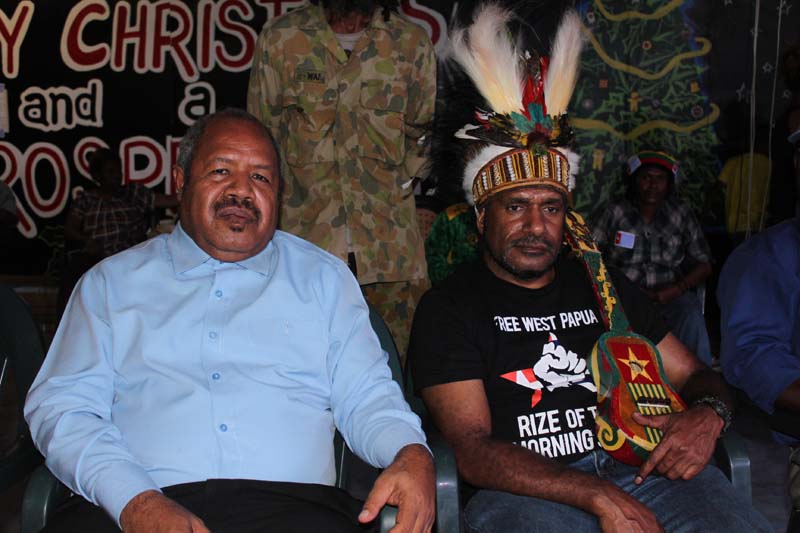
As Papuan tribal leader Benny Wenda remarked, “What Diamond has written about my people is misleading about what the Indonesian military are doing. Indonesia tried to pretend that it was us that was violent and not them. This book is doing the same.” For readers who want to learn more, the West Papua Information Kit provides the historical background of the conflict.
Across the world right now, Indigenous peoples are facing a renewed assault on their lands, rights, and ways of life.
From extractive industries pushing deeper into ancestral territories, to governments rolling back hard-won protections,
the threat is global—and it is growing.
What makes this moment especially dangerous is how little attention it receives.
Stories like this are disappearing in real time. Mainstream media
barely covers it and the coverage is fragmented. The public is left without the context
needed to understand what is truly at stake.
That is exactly why IC Magazine exists..
For more than 20 years, IC has reported on Indigenous struggles worldwide — consistently, independently, and without compromise.
We don’t follow news cycles; we trace patterns. We don’t sensationalize; we provide context.
And when the world looks away, we stay focused.
But this work is increasingly difficult to sustain.
We refuse to lock our reporting behind a paywall. We don’t sell access through subscriptions.
And we don’t answer to advertisers. IC Magazine survives solely because readers like you choose to
support independent Indigenous journalism.
Please donate today if you can. Every contribution helps us to continue this crucial work.
Thank you,
John Ahni Schertow
Founder and Editor in Chief