
Last Updated on May 19, 2019
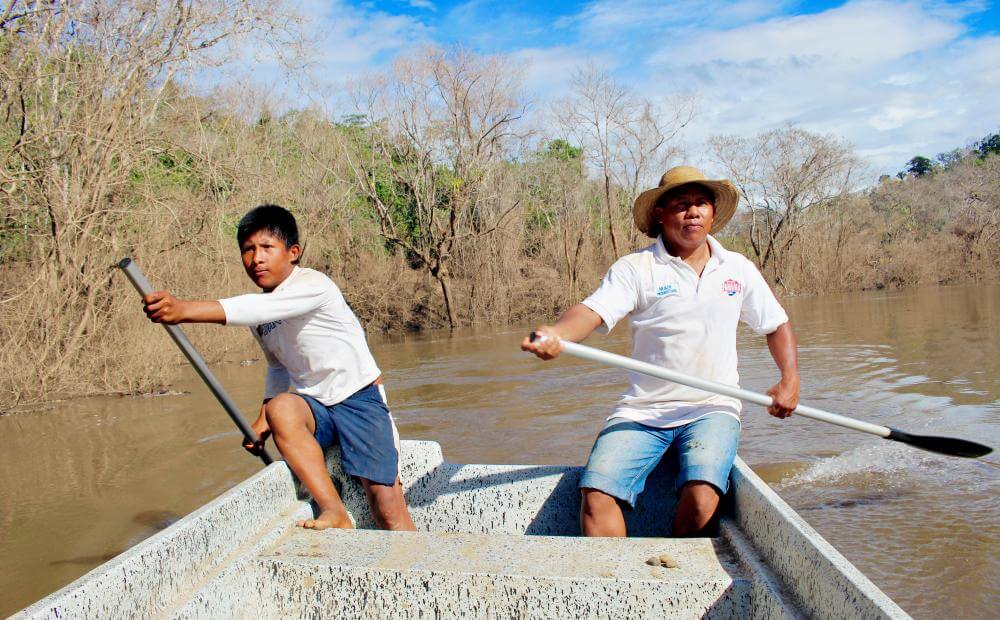
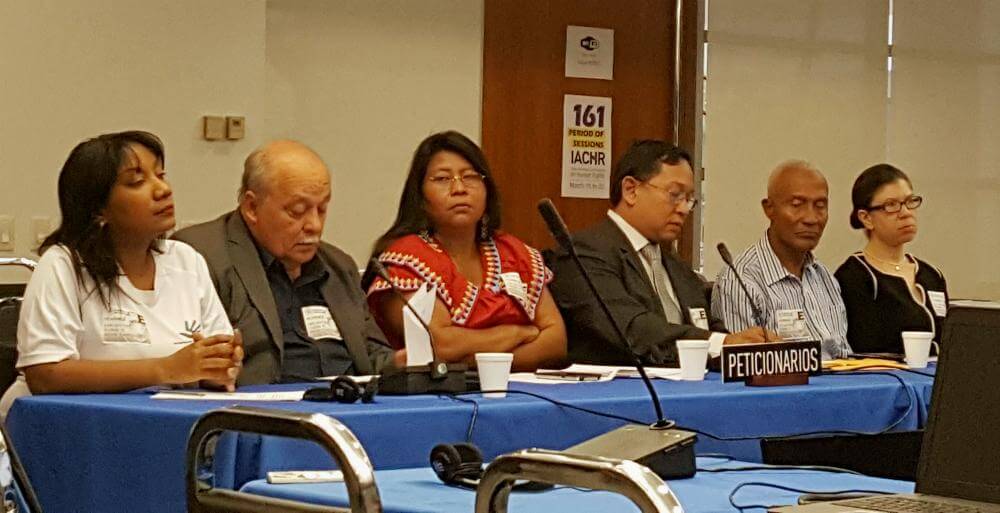
Intercontinental Cry (IC) today released Tabasará Libre, a pilot web documentary (webdoc) produced as part of IC Investigations (ICI).
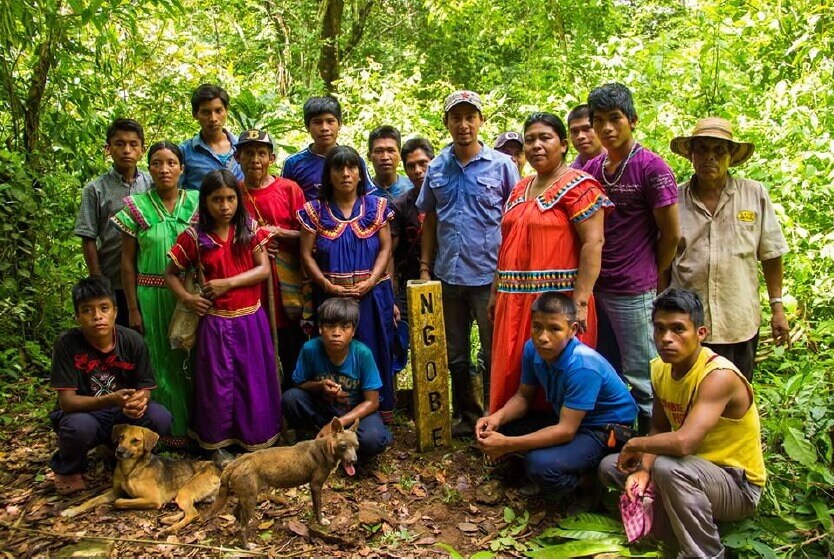
The webdoc is being made available to the public several weeks ahead of schedule because time is running out for the Ngäbe and campesino communities on the banks of the Tabasará River in western Panama.
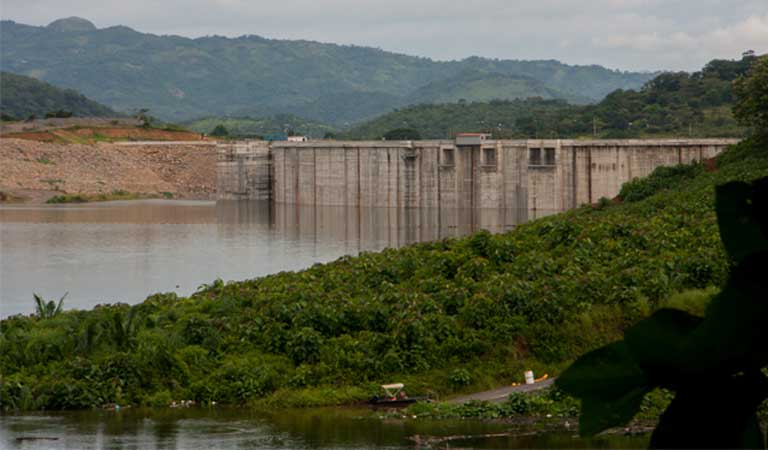
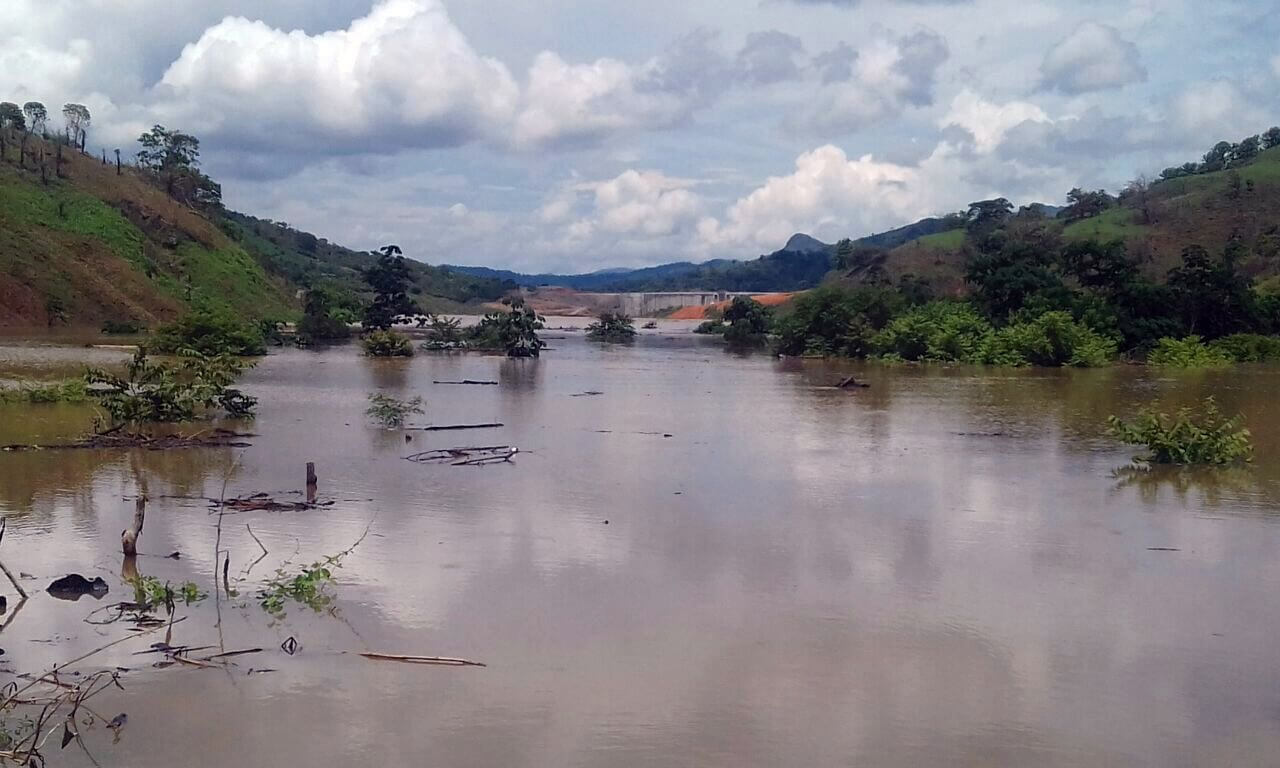
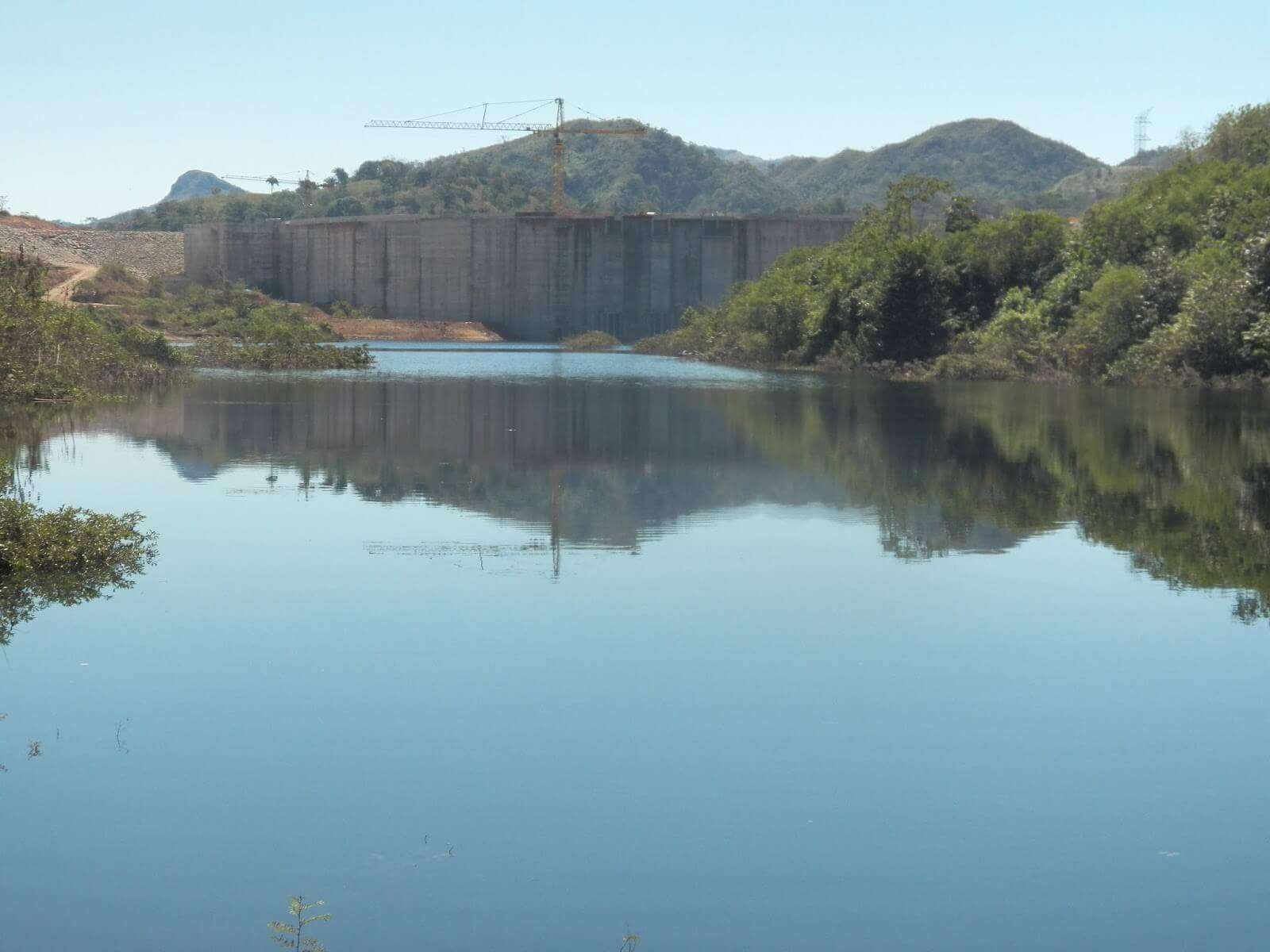
As IC reported on April 8, the Honduran-owned energy company, GENISA, is almost ready to activate the controversial Barro Blanco dam. This means the communities who have fought long and hard for the project’s cancellation are in danger of being forcibly evicted from their homes.
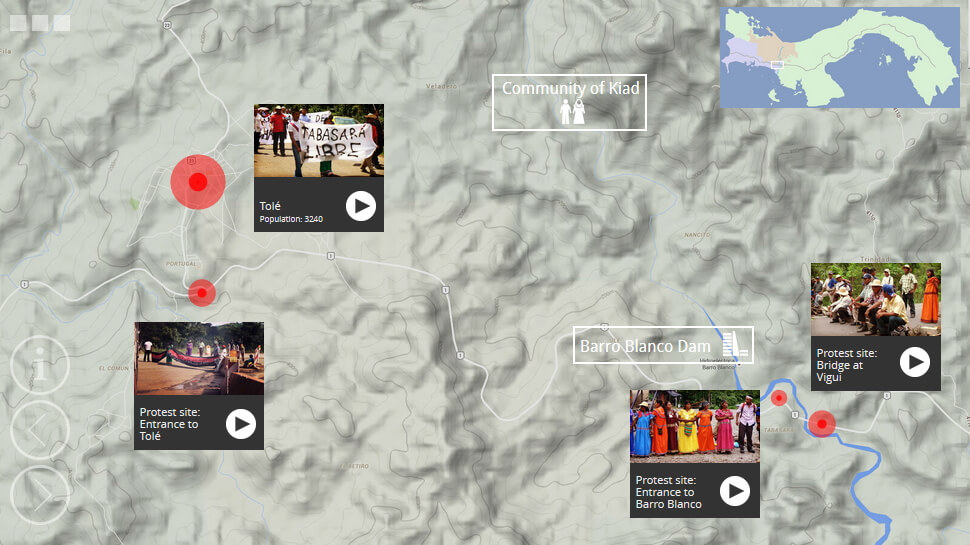
The 28.84 megawatt dam is being constructed by GENISA on the Tabasará River in the Province of Chiriquí. Although located in Chiriquí, the dam will have a disastrous impact on Ngäbe communities inside the Comarca Ngäbe-Bugle and campesino communities also living on the banks of the river.
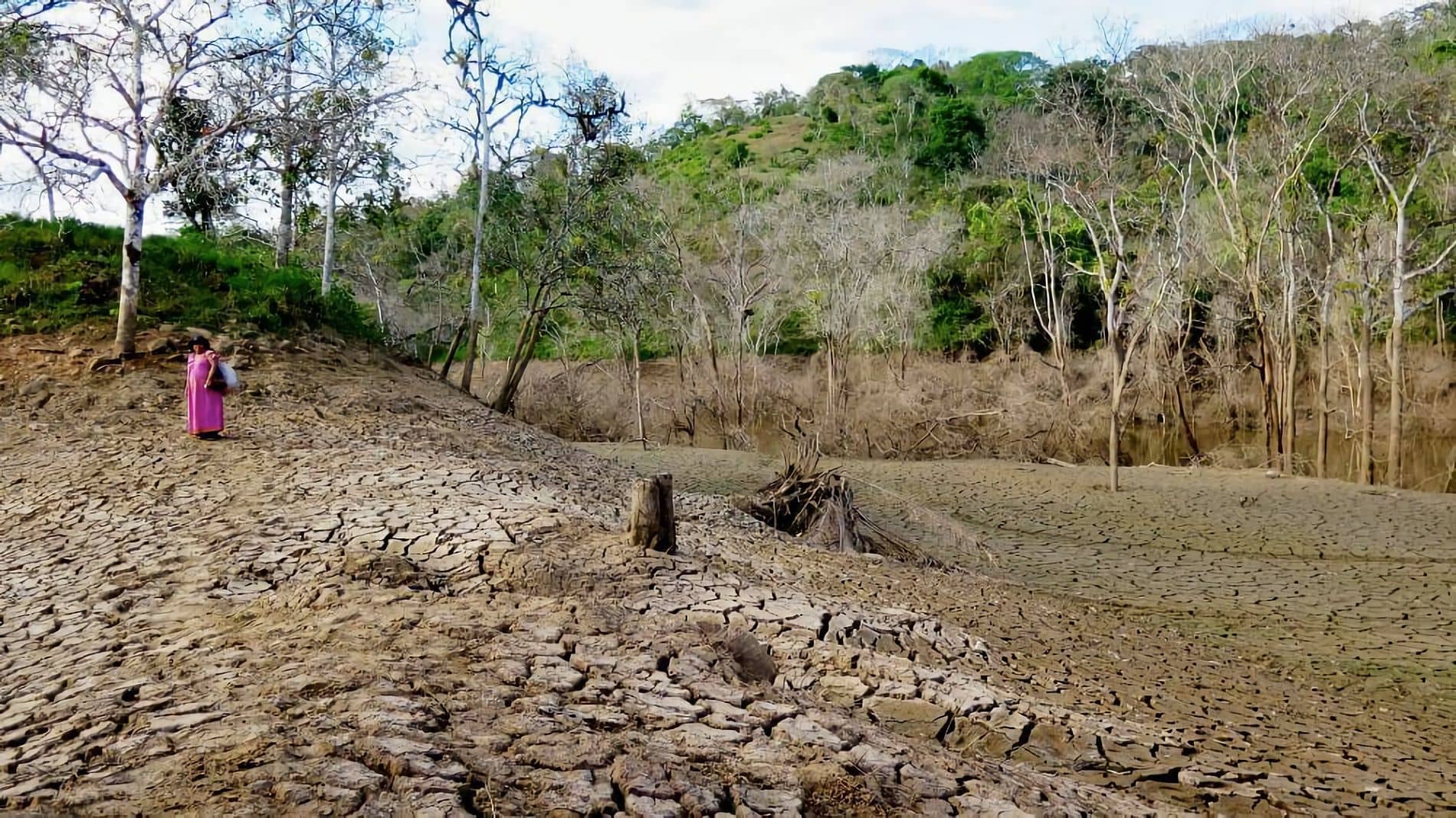
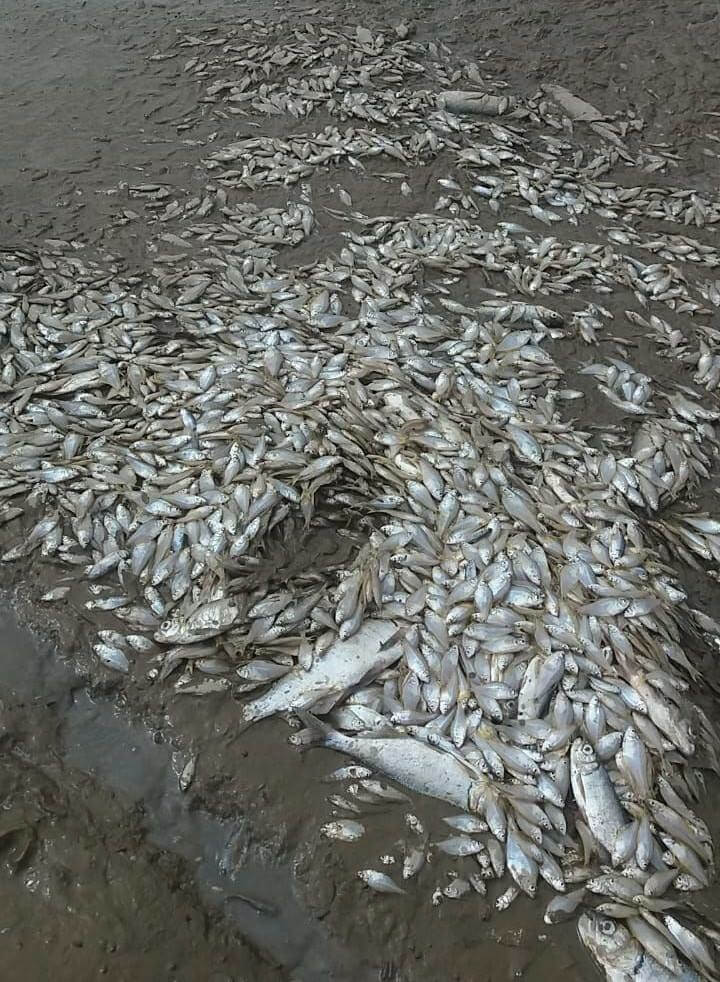
Once the gates are closed and the reservoir is filled, the subsistence fishing practices of all nearby Ngäbe and campesino communities will take a severe hit; cultivable land will be irrecoverably lost and the Ngäbe themselves will lose their school, their cultural centre and two sets of ancient petroglyphs that are of considerable cultural and archaeological importance.
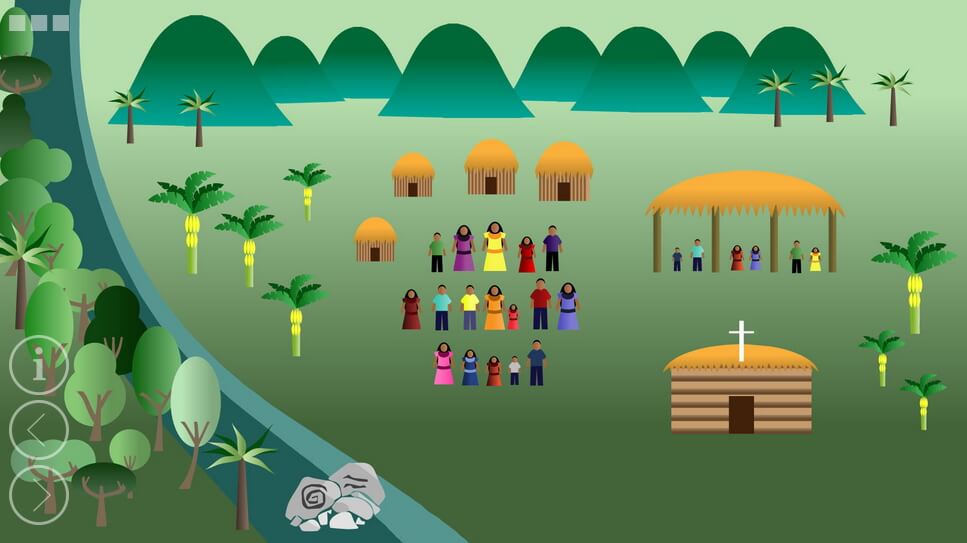
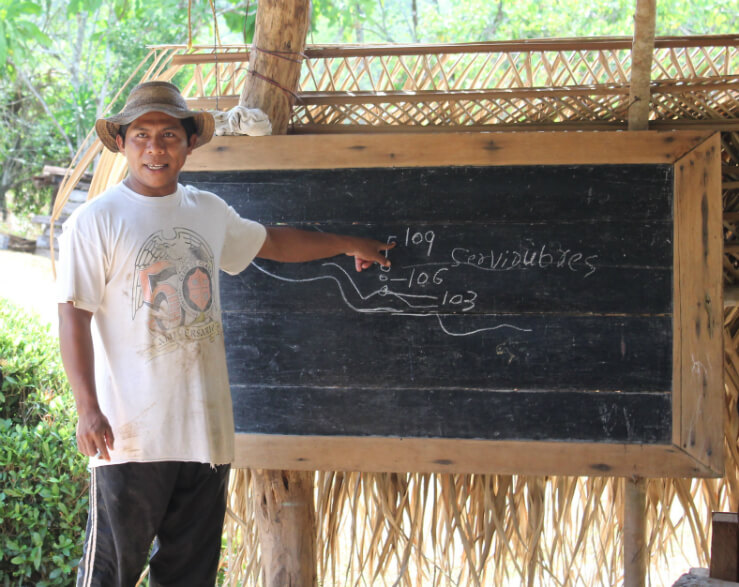
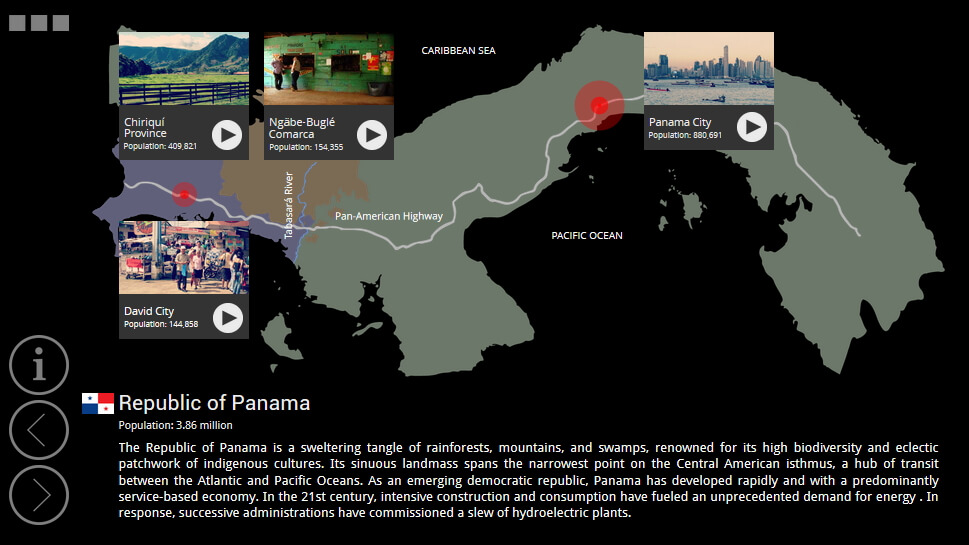
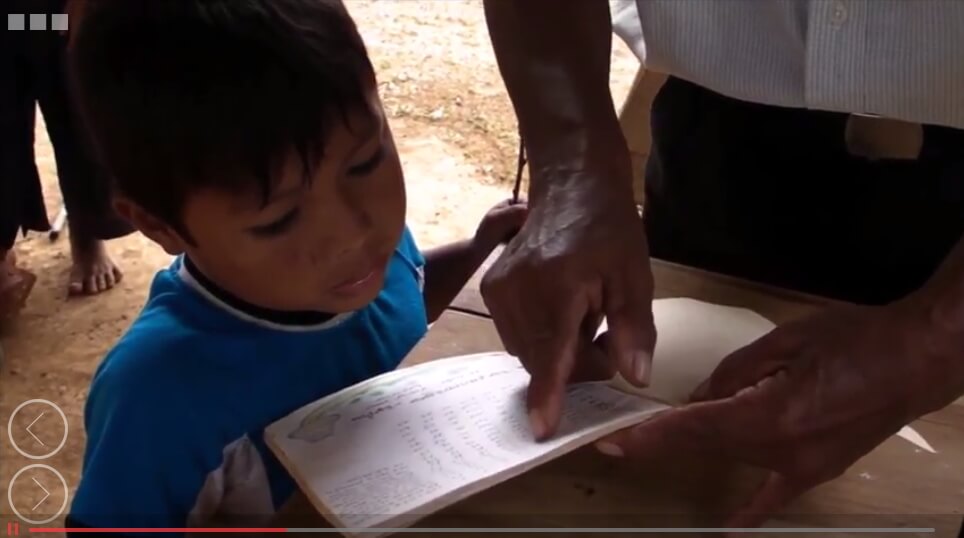
Tabasará Libre uses digital interactive technology to combine text, maps, videos and photos to explore the social, cultural and environmental impact of the Barro Blanco dam, the project’s proponents and the communities’ resistance.
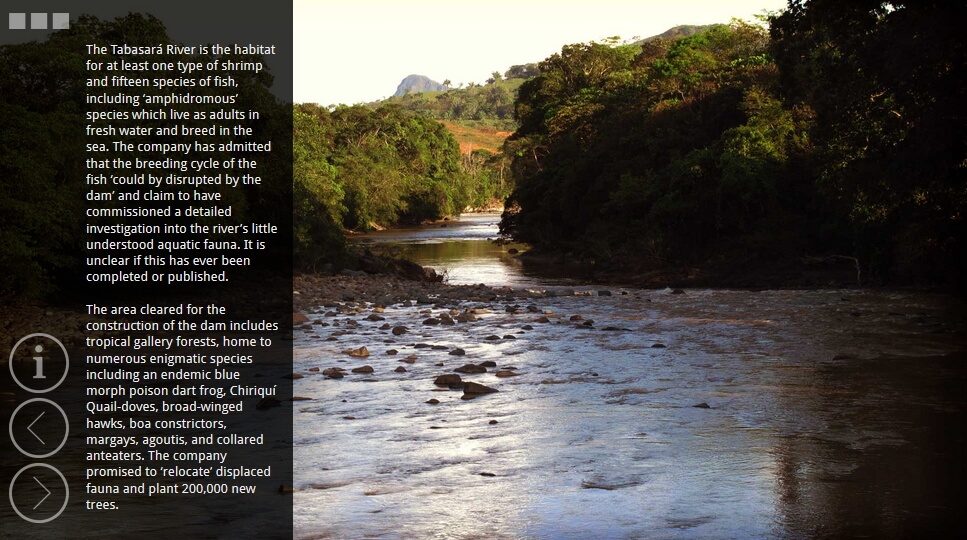
Tabasará Libre is at its heart a call to action. The Tabasará River communities are urgently calling on the international community for support. Information on how viewers can support the communities is provided in the webdoc.
“IC has stood alongside the Ngäbe since 2013. In fact, we’re the only news org in North America to consistently cover their struggle,” said John Schertow, IC’s Editor in Chief. “Our reporters have walked along the Tabasará River. They have listened as children speak in the tongue of the ancestors and they have stood on the frontlines as the Ngäbe are criminalized for saying ‘no’. We offer this humble webdoc to our Ngäbe and campesino friends in solidarity.”
The webdoc can be found online at TabasaraLibre.com
###
Media Contact
John Ahni Schertow, IC Editor in Chief – intercontinentalcry@gmail.com
Across the world right now, Indigenous peoples are facing a renewed assault on their lands, rights, and ways of life.
From extractive industries pushing deeper into ancestral territories, to governments rolling back hard-won protections,
the threat is global—and it is growing.
What makes this moment especially dangerous is how little attention it receives.
Stories like this are disappearing in real time. Mainstream media
barely covers it and the coverage is fragmented. The public is left without the context
needed to understand what is truly at stake.
That is exactly why IC Magazine exists..
For more than 20 years, IC has reported on Indigenous struggles worldwide — consistently, independently, and without compromise.
We don’t follow news cycles; we trace patterns. We don’t sensationalize; we provide context.
And when the world looks away, we stay focused.
But this work is increasingly difficult to sustain.
We refuse to lock our reporting behind a paywall. We don’t sell access through subscriptions.
And we don’t answer to advertisers. IC Magazine survives solely because readers like you choose to
support independent Indigenous journalism.
Please donate today if you can. Every contribution helps us to continue this crucial work.
Thank you,
John Ahni Schertow
Founder and Editor in Chief