Last Updated on August 17, 2018
More than once, America has been likened to a vast insane asylum, where race, religion and revenge run rampant in a vortex of violence. If one wants to understand this uniquely American form of mental instability, one can of course turn to reports by the World Health Organization or the Archives of General Psychiatry, but one doesn’t have to be a scholar to appreciate the fact that America’s public mental health problems are related to American history. All one need do to comprehend why American prisons are full of young Black men, or why American Indian youth are three times more likely to commit suicide is read documents from the history of US policy. The consequences were inevitable.
So living in the land of Puritans, Pentecostals, Scientology and Mormonism, where even the mainstream religions played a part in dehumanizing us and our ancestors, one might reasonably ask what are we to do. Since it is a matter of public policy, approaching public mental health should arguably be a public concern, addressed in public venues by public officials, and attended by the public.
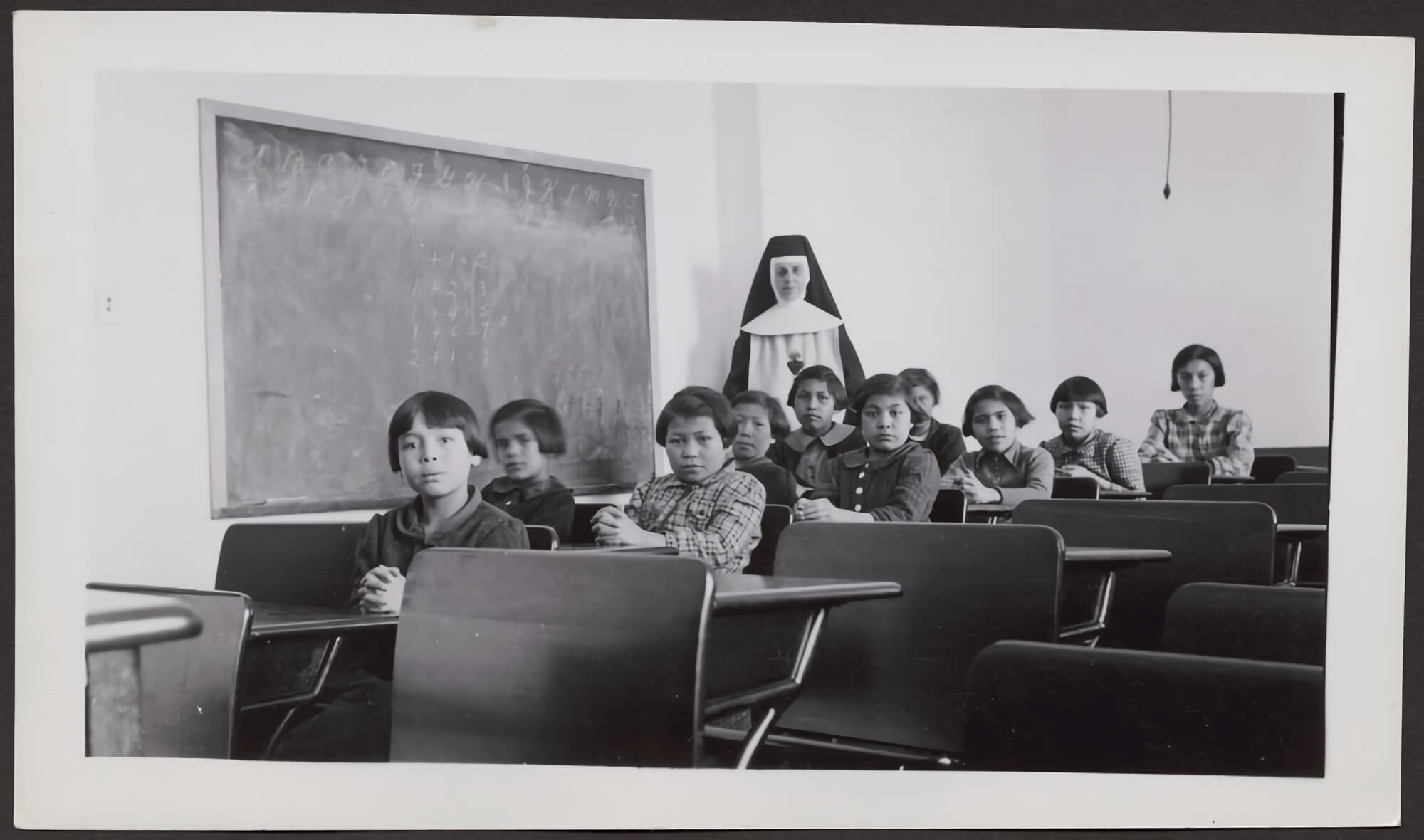
The State of Maine and the Wabanaki Nation recently initiated a public process to address the mistreatment of Wabanaki communities by church and state through the child welfare and residential school systems. As a means of healing some of the wounds caused by this inhumane treatment of American Indian families, the Truth and Reconciliation Commission jointly established by Maine and the Wabanaki hopes to move forward together by recognizing historical injustices and the present traumas they caused. As a process of improving public mental health, the commission will begin with a period of reflection and prayer, followed by public testimony and listening. Maybe in time there will be healing, but as the director of child welfare observed, that will take work, changes in policy, and public learning. The same might be said for all the many other public ailments that afflict us.
Across the world right now, Indigenous peoples are facing a renewed assault on their lands, rights, and ways of life.
From extractive industries pushing deeper into ancestral territories, to governments rolling back hard-won protections,
the threat is global—and it is growing.
What makes this moment especially dangerous is how little attention it receives.
Stories like this are disappearing in real time. Mainstream media
barely covers it and the coverage is fragmented. The public is left without the context
needed to understand what is truly at stake.
That is exactly why IC Magazine exists..
For more than 20 years, IC has reported on Indigenous struggles worldwide — consistently, independently, and without compromise.
We don’t follow news cycles; we trace patterns. We don’t sensationalize; we provide context.
And when the world looks away, we stay focused.
But this work is increasingly difficult to sustain.
We refuse to lock our reporting behind a paywall. We don’t sell access through subscriptions.
And we don’t answer to advertisers. IC Magazine survives solely because readers like you choose to
support independent Indigenous journalism.
Please donate today if you can. Every contribution helps us to continue this crucial work.
Thank you,
John Ahni Schertow
Founder and Editor in Chief