
Last Updated on September 15, 2016
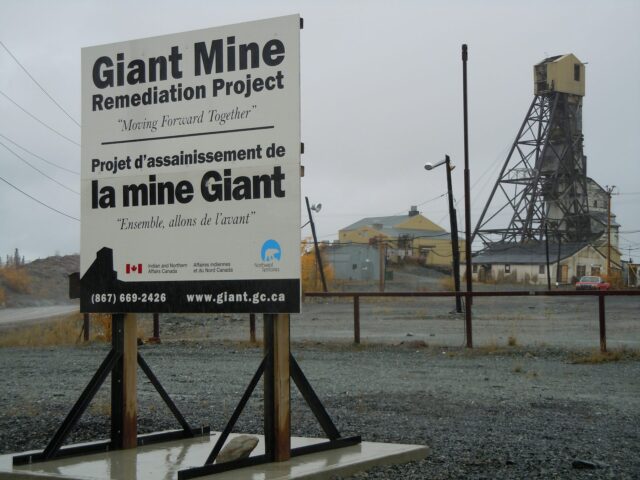
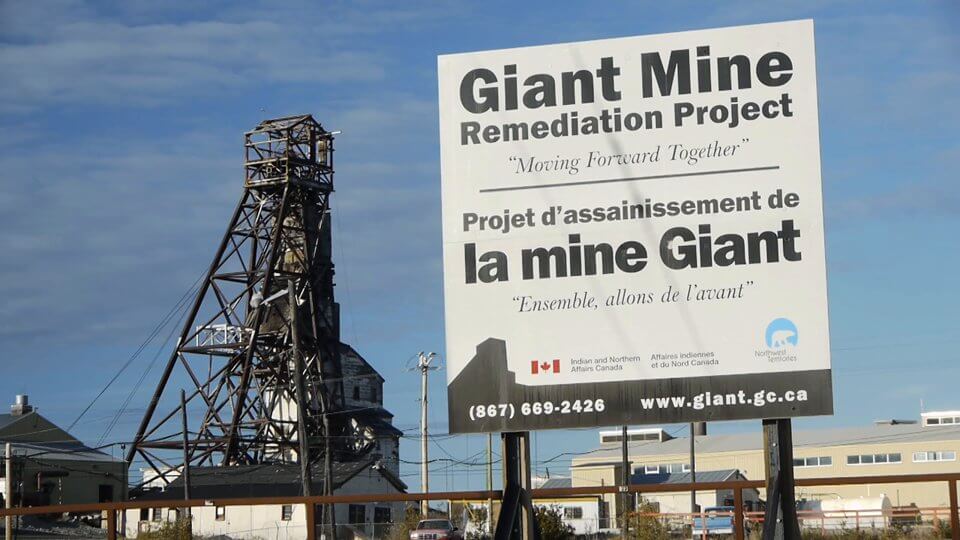
Shadow of a Giant is a new interactive web documentary that tells the story of one Canada’s largest environmental disasters: Yellowknife’s Giant Mine, situated within Yellowknives Dene First Nation’s territory, known as the Akaitcho Territory.
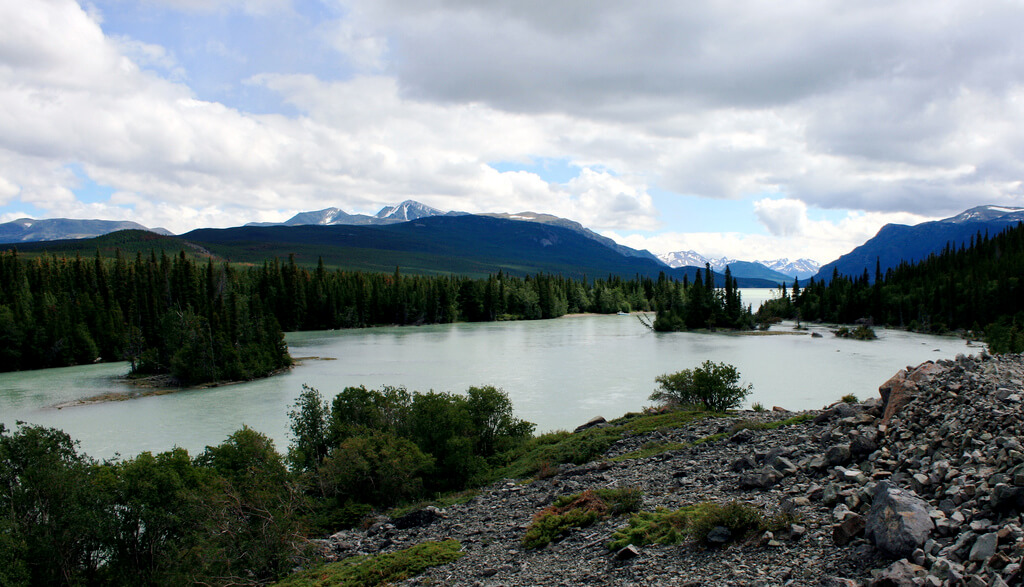
Buried in collapsing chambers, within the municipal boundary of Yellowknife, and beside the 9th largest lake in the world, sits 237,000 tons of the highly toxic contaminant, arsenic trioxide, a byproduct of the defunct gold mine.
The city of Yellowknife and the surrounding Indigenous communities depend on a remediation plan that will refrigerate the arsenic into place, until a permanent solution can be found. Shadow of a Giant tells the story of Giant through the people who live on top of it and call it home.
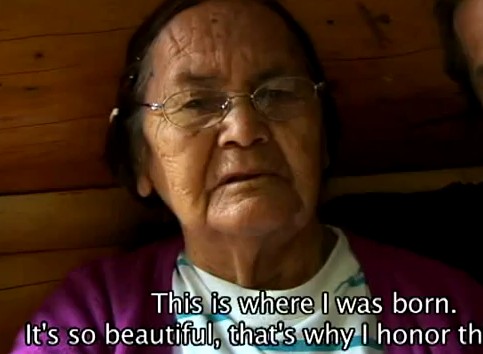
From the remediation (clean up) team, who work to stabilize the arsenic; to the people who live and work in Yellowknife; to those who worked at the mine; to the proponents of the extraction industry in the north; to the Yellowknives Dene First Nations that live within hundreds of metres of the contaminated site. Their collective voices tell the story of Giant’s history. Their ideas of what the Giant mine site could become reflects a painful history for these communities, but also reveals a brighter future this toxic legacy.
Directed By Clark Ferguson
Written By Clark Ferguson and Lesley Johnson
Produced By Lesley Johnson, Clark Ferguson and Western Arctic Motion Pictures
Website http://www.shadowofagiant.com/
Across the world right now, Indigenous peoples are facing a renewed assault on their lands, rights, and ways of life.
From extractive industries pushing deeper into ancestral territories, to governments rolling back hard-won protections,
the threat is global—and it is growing.
What makes this moment especially dangerous is how little attention it receives.
Stories like this are disappearing in real time. Mainstream media
barely covers it and the coverage is fragmented. The public is left without the context
needed to understand what is truly at stake.
That is exactly why IC Magazine exists..
For more than 20 years, IC has reported on Indigenous struggles worldwide — consistently, independently, and without compromise.
We don’t follow news cycles; we trace patterns. We don’t sensationalize; we provide context.
And when the world looks away, we stay focused.
But this work is increasingly difficult to sustain.
We refuse to lock our reporting behind a paywall. We don’t sell access through subscriptions.
And we don’t answer to advertisers. IC Magazine survives solely because readers like you choose to
support independent Indigenous journalism.
Please donate today if you can. Every contribution helps us to continue this crucial work.
Thank you,
John Ahni Schertow
Founder and Editor in Chief