Last Updated on October 6, 2013
If you look around at the many human rights organizations, most were formed to intervene in urgent crises or to prevent pending tragedies. While stopping atrocities and saving humanity is a noble and necessary undertaking, though, ad hoc responses to media-selected celebrity causes is not necessarily the most effective use of humanitarian resources. Given the failure of states and international institutions in this task, one has to ask if there isn’t a better way.
While mobilizing remedial resources for displaced persons and refugees through institutions like the Red Cross and Red Crescent ameliorates suffering, prevention of atrocities remains an illusive humanitarian endeavor. With the militarization of humanitarian projects that has corrupted some big international NGOs of late, institutionalizing humanitarian efforts for the future requires that we rethink how we respond and reflect on how we might reform our humanitarian organizing.
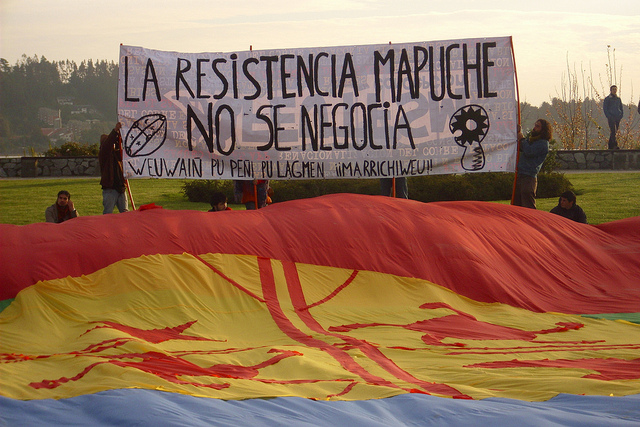
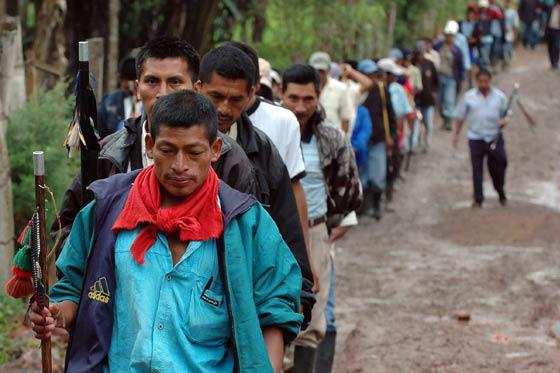
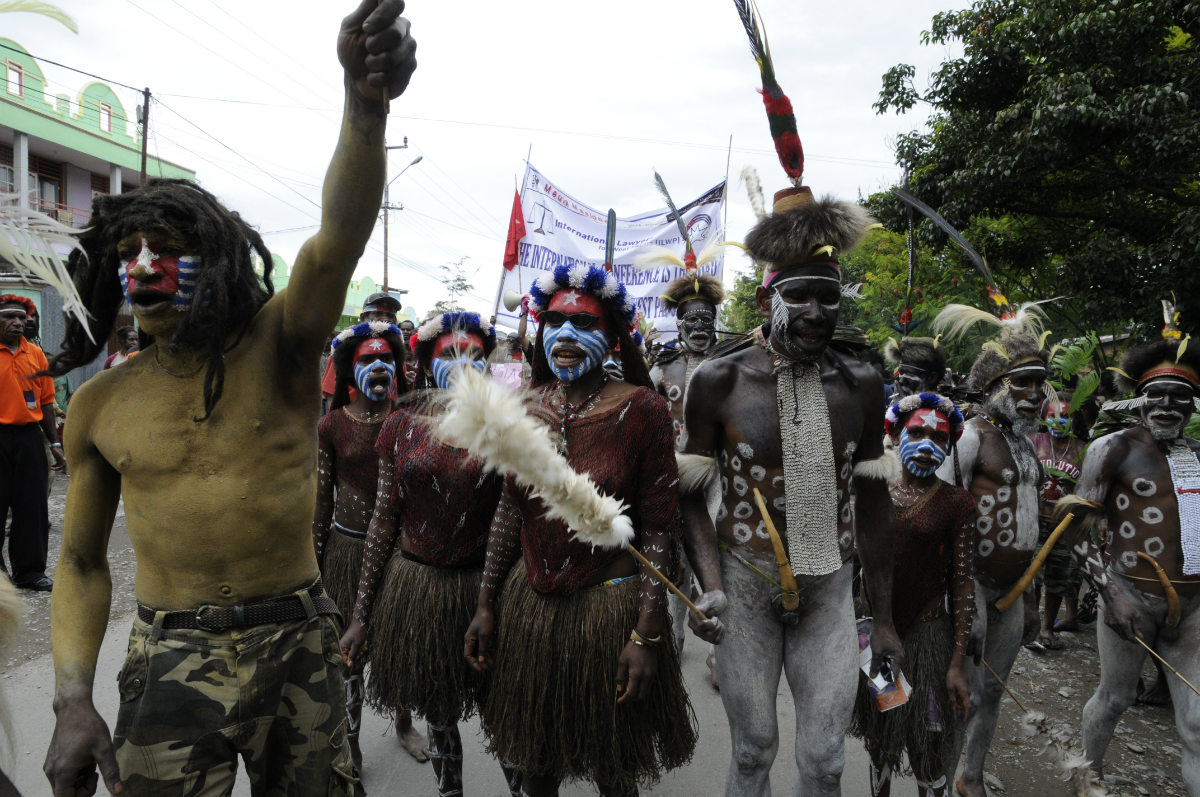
With networks emerging as the new form of organization to address issues neglected by states and markets, we might want to consider how they can be institutionalized in order to provide continuity to efforts. Archiving collective memory and structuring learning and mentoring are key to that, but without the resources of states and markets, we will need to localize and link what we do and how we communicate in order to be effective. Like the failure of the giant, hegemonic model in government and industry, the failure of big international NGOs signals the time for a new organizing strategy. With the reemergence of Indigenous nations acting local and thinking global, perhaps civil society worldwide already has a template for survival.
Across the world right now, Indigenous peoples are facing a renewed assault on their lands, rights, and ways of life.
From extractive industries pushing deeper into ancestral territories, to governments rolling back hard-won protections,
the threat is global—and it is growing.
What makes this moment especially dangerous is how little attention it receives.
Stories like this are disappearing in real time. Mainstream media
barely covers it and the coverage is fragmented. The public is left without the context
needed to understand what is truly at stake.
That is exactly why IC Magazine exists..
For more than 20 years, IC has reported on Indigenous struggles worldwide — consistently, independently, and without compromise.
We don’t follow news cycles; we trace patterns. We don’t sensationalize; we provide context.
And when the world looks away, we stay focused.
But this work is increasingly difficult to sustain.
We refuse to lock our reporting behind a paywall. We don’t sell access through subscriptions.
And we don’t answer to advertisers. IC Magazine survives solely because readers like you choose to
support independent Indigenous journalism.
Please donate today if you can. Every contribution helps us to continue this crucial work.
Thank you,
John Ahni Schertow
Founder and Editor in Chief