Last Updated on August 3, 2018
While mindless consumption in the First World drives most of the ecocide and genocide in the Third and Fourth Worlds, privatizing colonialism is mostly accomplished by private equity investments, subsidized by state corporations. Even discounting the militarization of neocolonial privatization enforcement, state investments like the UK Commonwealth Development Corporation serve mainly to recolonize former empires through capitalist means.
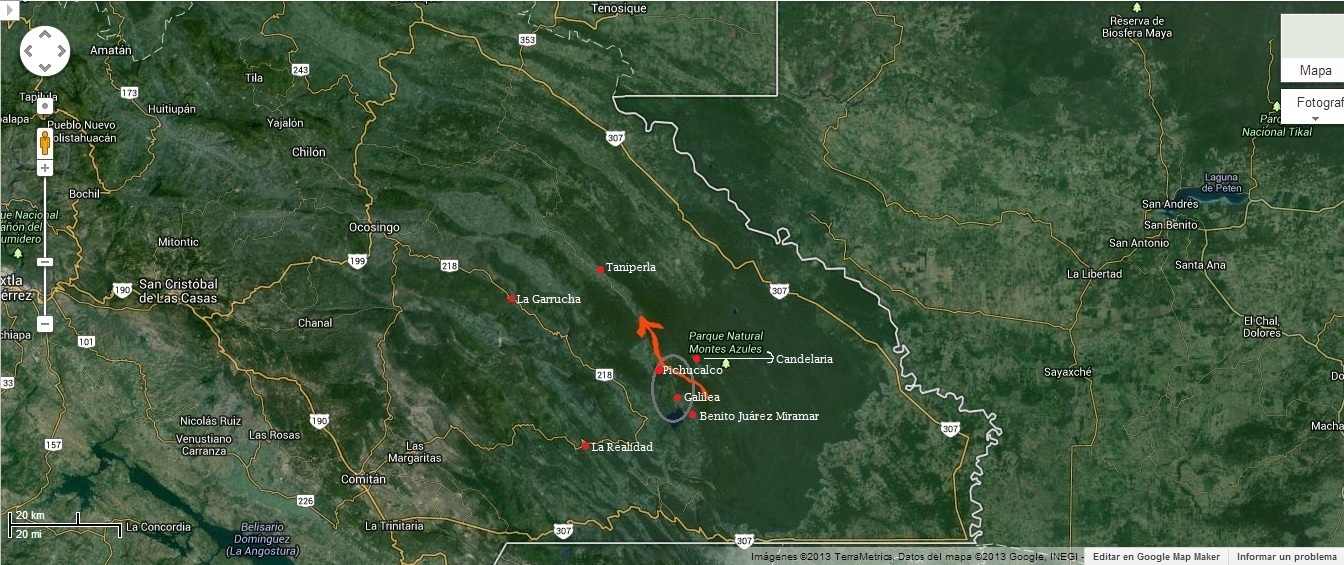
As Jennifer Kennedy reports, one of the UK-based investments, in Guatemala — an electrical energy utility — is now caught up in furthering atrocities in what is already a hotbed of class warfare between a modern state and its indigenous nations. While not directly responsible for the Guatemalan Army’s recent murder of six Maya protestors marching against excessive electricity rates, the private equity investors that prey on the world’s poor cannot hide behind the fact that the parasitic system they benefit from is undeniably murderous.
While as individuals we can curb our consumer appetites for goods produced by ecocide and genocide, as citizens we can contain our government’s appetite for control of other people’s lives to prop up the system of consumerism. As human beings, we can confront private equity, that now devours our common wealth as well.
Across the world right now, Indigenous peoples are facing a renewed assault on their lands, rights, and ways of life.
From extractive industries pushing deeper into ancestral territories, to governments rolling back hard-won protections,
the threat is global—and it is growing.
What makes this moment especially dangerous is how little attention it receives.
Stories like this are disappearing in real time. Mainstream media
barely covers it and the coverage is fragmented. The public is left without the context
needed to understand what is truly at stake.
That is exactly why IC Magazine exists..
For more than 20 years, IC has reported on Indigenous struggles worldwide — consistently, independently, and without compromise.
We don’t follow news cycles; we trace patterns. We don’t sensationalize; we provide context.
And when the world looks away, we stay focused.
But this work is increasingly difficult to sustain.
We refuse to lock our reporting behind a paywall. We don’t sell access through subscriptions.
And we don’t answer to advertisers. IC Magazine survives solely because readers like you choose to
support independent Indigenous journalism.
Please donate today if you can. Every contribution helps us to continue this crucial work.
Thank you,
John Ahni Schertow
Founder and Editor in Chief