Last Updated on March 28, 2016
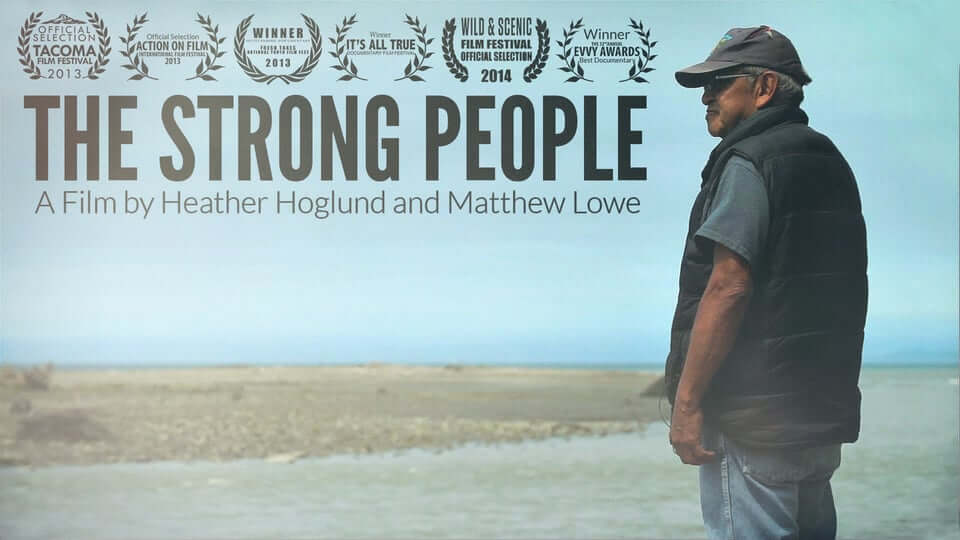
The Strong People is an award-winning documentary film that chronicles the largest dam removal project in US history and its affect on the Lower Elwha Klallam Tribe of Washington State.
The Elwha river was central to Lower Elwha Klallam life since time immemorial, a relationship that was radically altered in the early 1900s, when two hydro dams were constructed across the Elwha. The first of these, the Elwha river dam, was completed in 1913 as the Olympic Power and Development company sought to generate energy using the river. This was followed by the Glines Canyon Dam further up river. These impositions along the river’s natural course altered the character of the watershed, with profound natural and cultural consequences. Fish migrations up river were blocked as designers failed to include fish ladders in the builds, indigenous fishing activities were hindered and the equilibrium of the local ecosystem skewed and damaged. In addition, the Elwha Dam alone flooded two hundred and sixty seven acres of land of cultural significance.
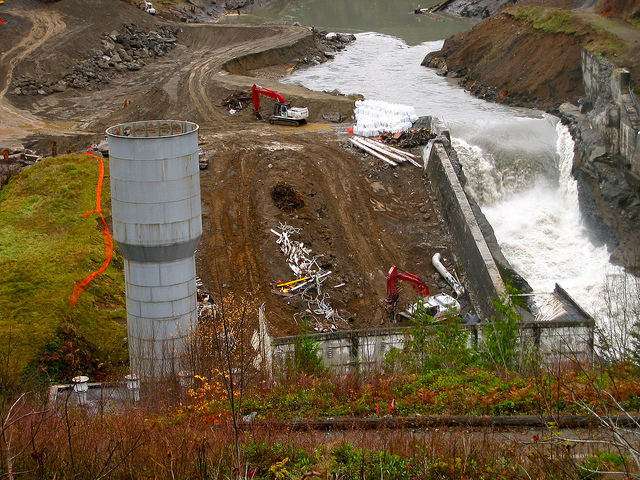
After well over half a century in operation, steps were finally taken to reverse the ecological and cultural damage caused by the dams. In 1992 the American Congress mandated the full restoration of the Elwha’s ecosystem and natural fisheries to be achieved via the Elwha River Ecosystem and Fisheries Restoration Act which was passed in 1995. Authorities involved found that the best course of action to achieve their goal of restoring the Elwha was the complete removal of both dams, a process that began in 2011.
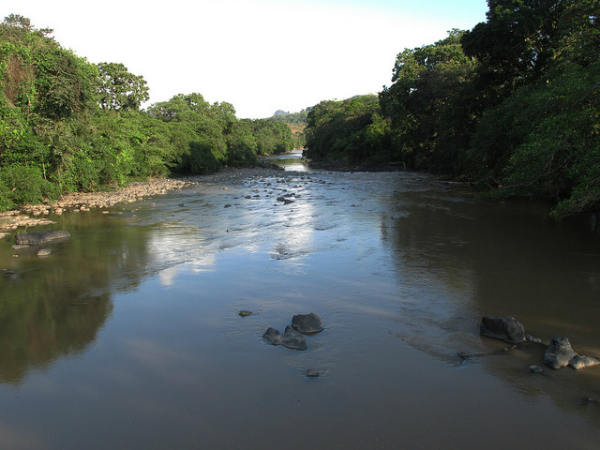
Today, the Elwha dam and the Glines Canyon Dam are nowhere to be seen; the Elwha river flows freely, the way Creator intended.
Across the world right now, Indigenous peoples are facing a renewed assault on their lands, rights, and ways of life.
From extractive industries pushing deeper into ancestral territories, to governments rolling back hard-won protections,
the threat is global—and it is growing.
What makes this moment especially dangerous is how little attention it receives.
Stories like this are disappearing in real time. Mainstream media
barely covers it and the coverage is fragmented. The public is left without the context
needed to understand what is truly at stake.
That is exactly why IC Magazine exists..
For more than 20 years, IC has reported on Indigenous struggles worldwide — consistently, independently, and without compromise.
We don’t follow news cycles; we trace patterns. We don’t sensationalize; we provide context.
And when the world looks away, we stay focused.
But this work is increasingly difficult to sustain.
We refuse to lock our reporting behind a paywall. We don’t sell access through subscriptions.
And we don’t answer to advertisers. IC Magazine survives solely because readers like you choose to
support independent Indigenous journalism.
Please donate today if you can. Every contribution helps us to continue this crucial work.
Thank you,
John Ahni Schertow
Founder and Editor in Chief