Last Updated on April 11, 2012
Article cross-posted from West Papua Media Alerts
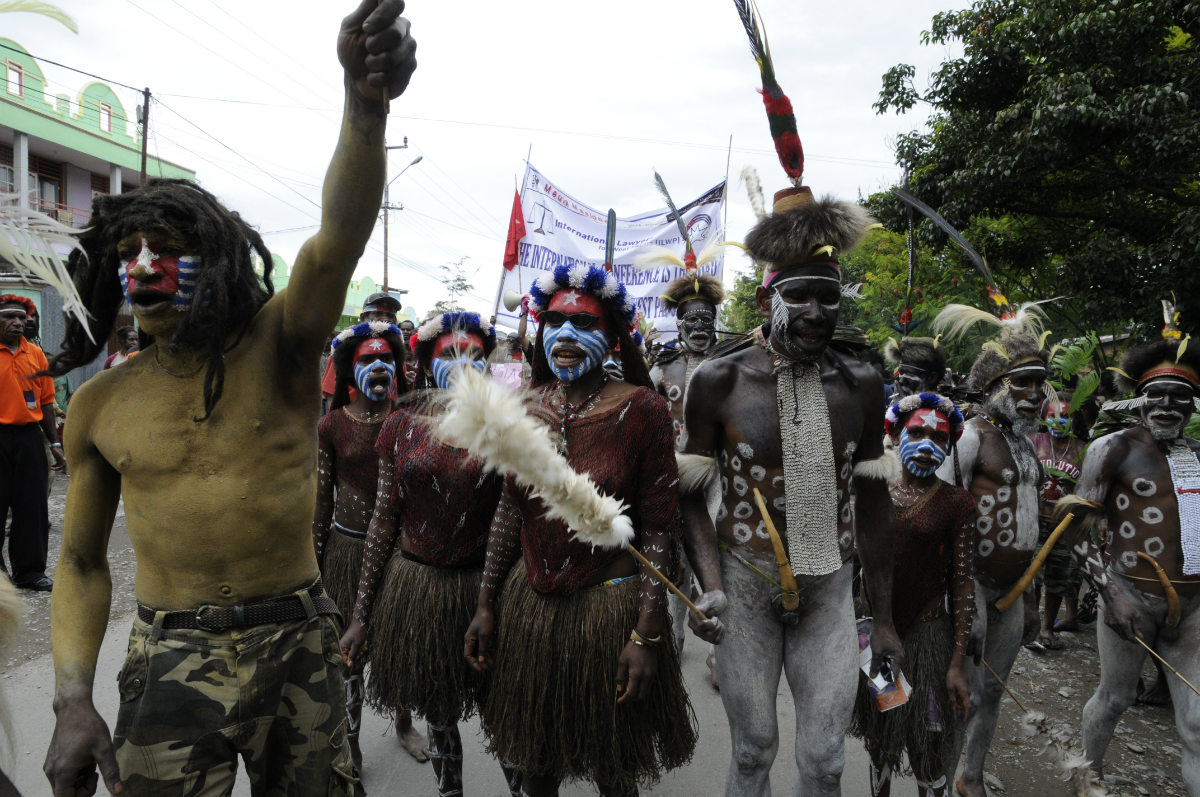
APR 11 – Demonstrations were held in Jayapura on April 5 in support of a groundbreaking conference held in The Hague, The Netherlands, to examine pathways to the reinstatement of the New Guinea Council or Nieuw-Guinea Raad, the original Parliament of West Papua from 1961 until Indonesia’s invasion.
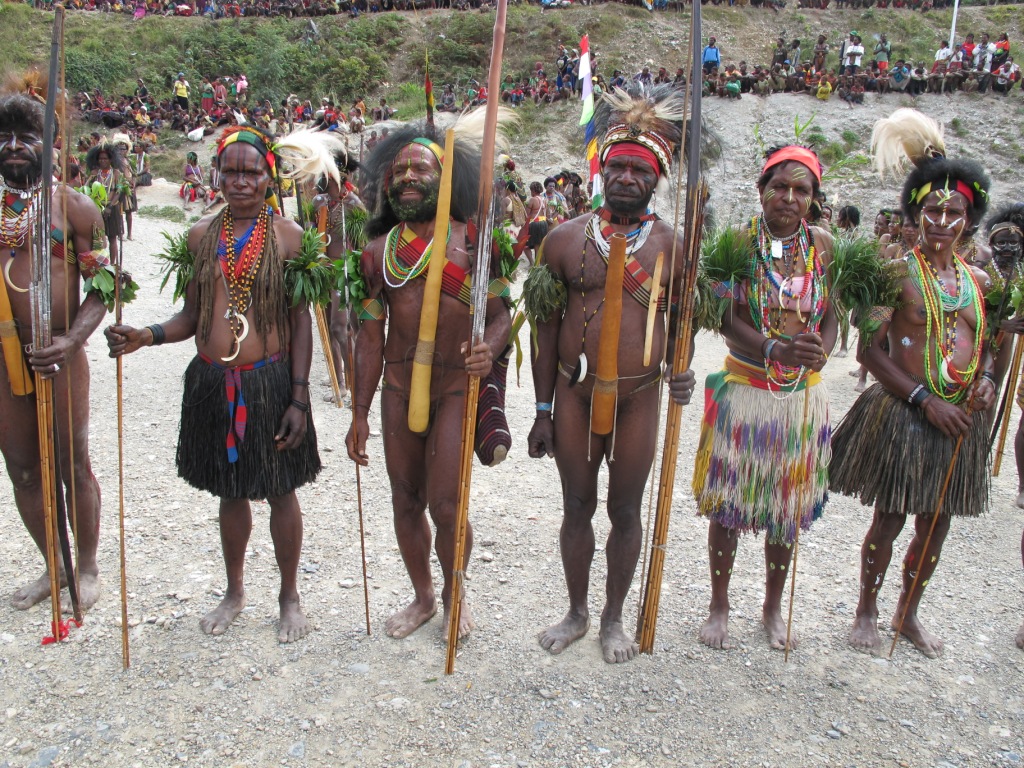
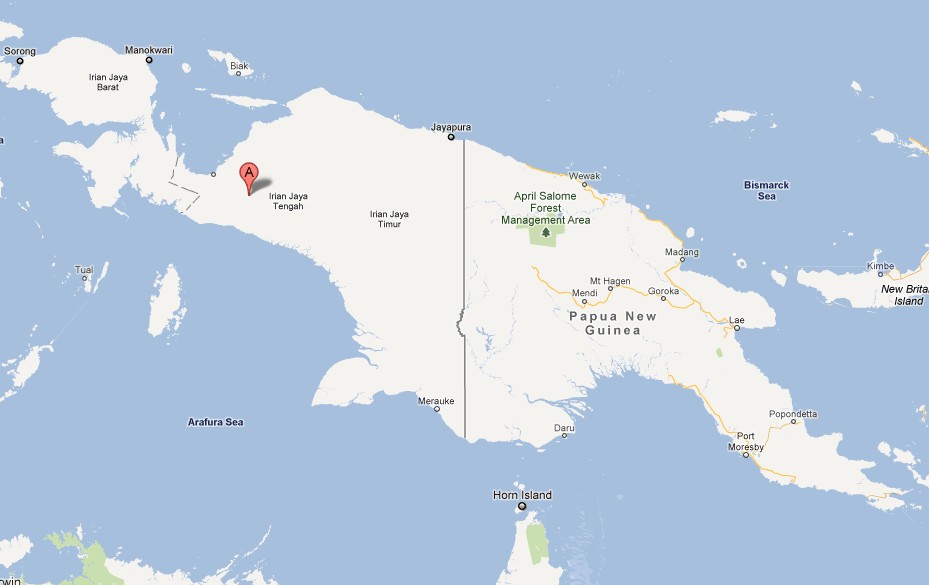
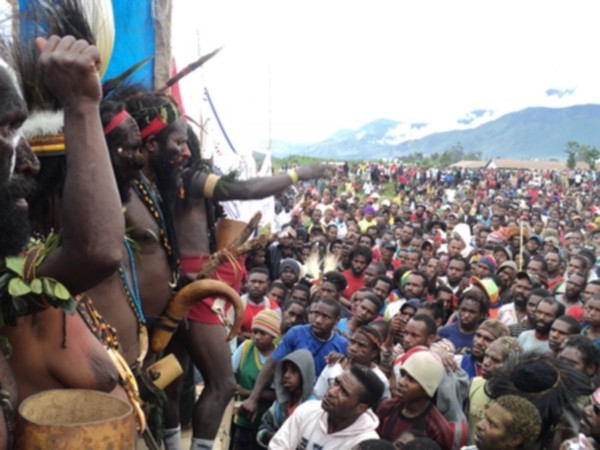
Jayapura was again brought to a standstill by the demonstration organised by the West Papua National Committee (KNPB), where several thousand people gathered hear speeches and to voice their solidarity with the “Nieuw-Guinea Raad: the First Steps” Conference.
More videos from the demonstration available here: http://www.youtube.com/user/monggarap/videos
Indonesian security forces were in attendance in large numbers at the rally, but no act of violence or provocation were reported by rally organisers.
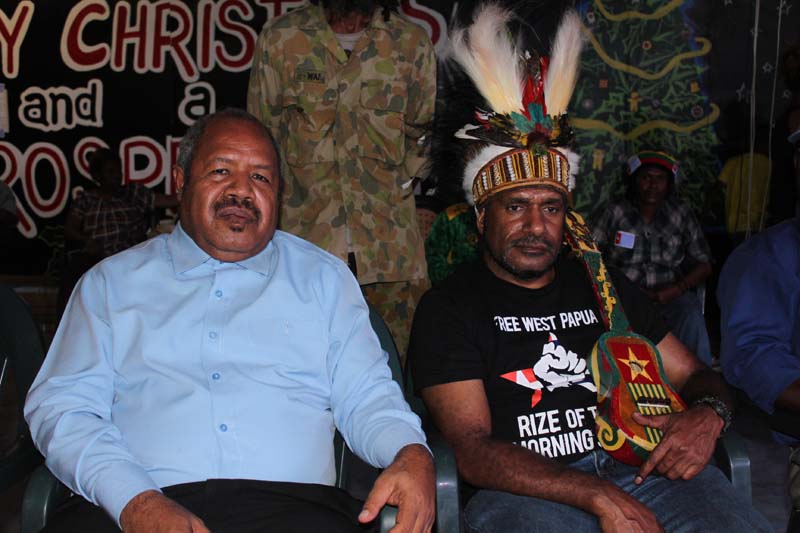
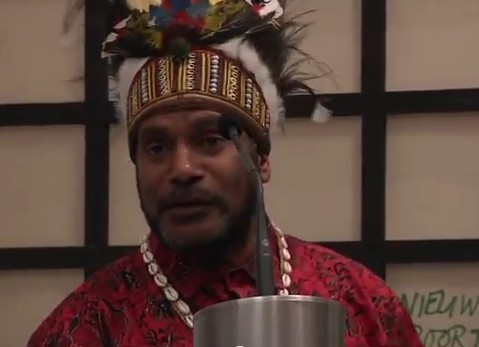 Benny Wenda speaking at the “New Guinea Council: First Steps” conference in NetherlandsIn The Hague, speakers at the conference organised by the International Parliamentarians for West Papua (IPWP) and held at the Dutch Parliament, included exiled UK-based independence figure Benny Wenda, Dutch Parliamentarians including Harry van Bommel, Cees van der Staaij, and Wim Kortenoeven. International Lawyers for West Papua (IPWP) Co-ordinator and international human rights lawyer Jennifer Robinson also spoke, demanding The Netherlands honour its “sacred trust” of its promise of independence for the West Papuan people, and assist West Papuan to fulfil their human right to self-determination.
The New Guinea Council (Nieuw-Guinea Raad) was established on April 5 1961 whilst under Dutch administration as the concept of a more democratic mode of administration started to develop, as a body that was to be the basis for a independent West Papuan parliament. According to the International Parliamentarians for West Papua, “The establishment of regional councils came from the requirement that the Charter of the United Nations imposed on the Netherlands: that the interests of the inhabitants of Dutch New Guinea had to be paramount.”
“The Netherlands was to respect the right to self-rule and had to take the political aspirations of the indigenous people into account. They were also meant to support the Papuan people with the gradual development of their own political institutions. There are documents. We are not speaking of vague promises, but we are speaking of real firm commitments for the independence of the West Papuan people,” explained a spokesperson for IPWP.
“Unfortunately by signing the New York Agreement (1962) the Dutch governments abandoned the West Papuan people,” the spokesperson said.
Across the world right now, Indigenous peoples are facing a renewed assault on their lands, rights, and ways of life.
From extractive industries pushing deeper into ancestral territories, to governments rolling back hard-won protections,
the threat is global—and it is growing.
What makes this moment especially dangerous is how little attention it receives.
Stories like this are disappearing in real time. Mainstream media
barely covers it and the coverage is fragmented. The public is left without the context
needed to understand what is truly at stake.
That is exactly why IC Magazine exists..
For more than 20 years, IC has reported on Indigenous struggles worldwide — consistently, independently, and without compromise.
We don’t follow news cycles; we trace patterns. We don’t sensationalize; we provide context.
And when the world looks away, we stay focused.
But this work is increasingly difficult to sustain.
We refuse to lock our reporting behind a paywall. We don’t sell access through subscriptions.
And we don’t answer to advertisers. IC Magazine survives solely because readers like you choose to
support independent Indigenous journalism.
Please donate today if you can. Every contribution helps us to continue this crucial work.
Thank you,
John Ahni Schertow
Founder and Editor in Chief