Last Updated on April 10, 2025
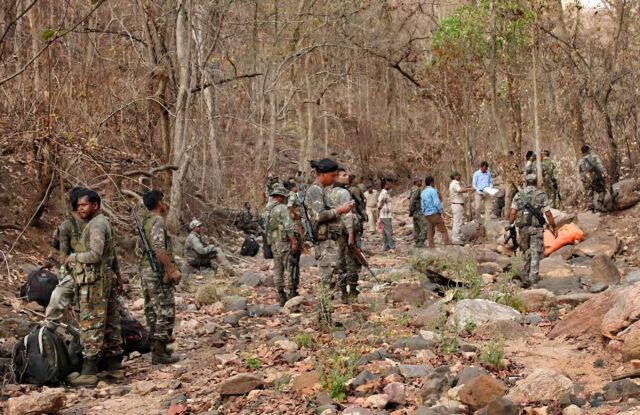
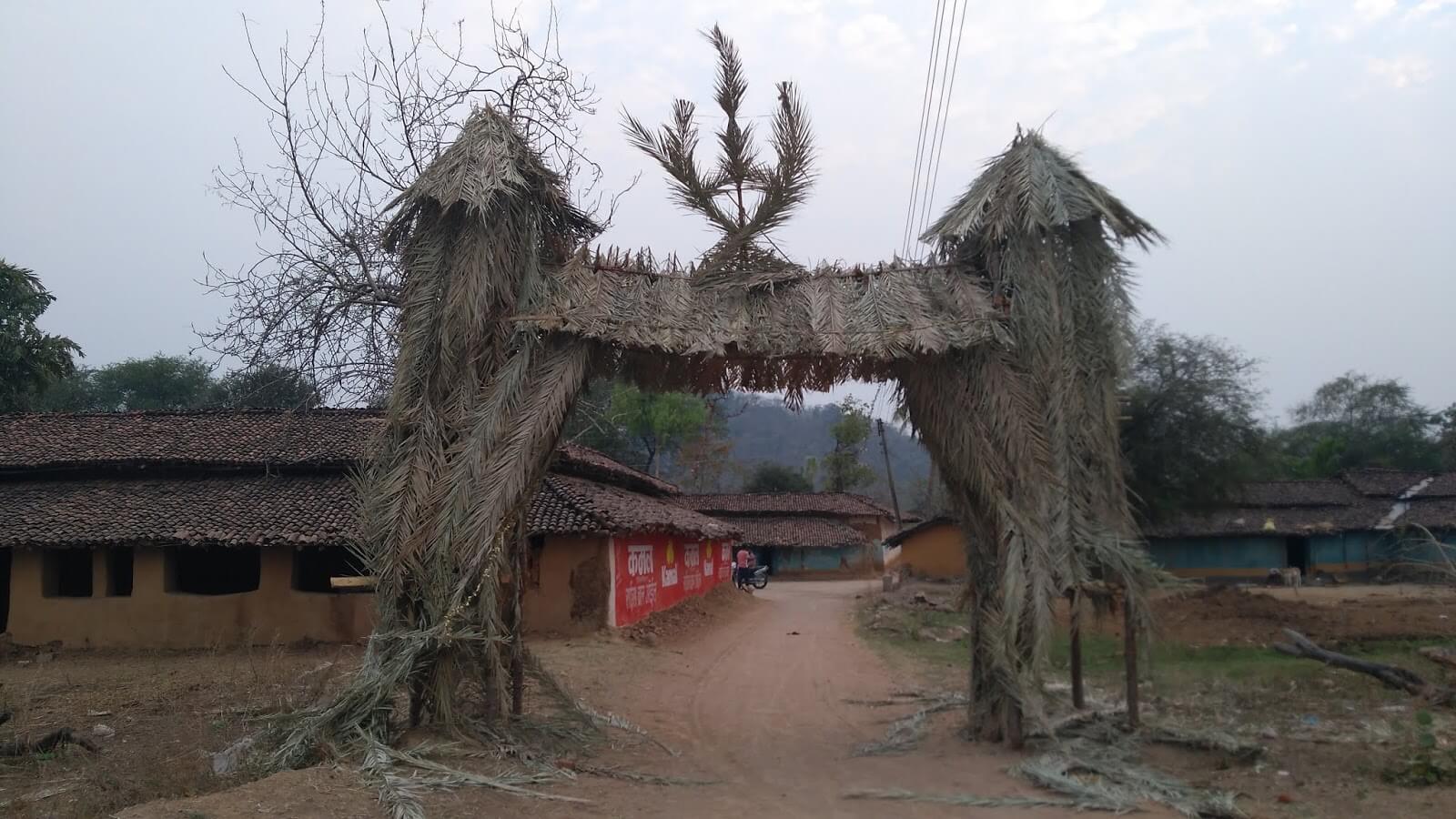
On July 26, 2011, the Tom Lantos Human Rights Commission carried out its third and final Congressional Hearing on the world’s Indigenous Peoples. Previous hearings examined the situation of Indigenous Peoples in Africa and Latin America. On this occasion, the Commission focused on Indigenous Peoples in Asia, including the Adivasis in India, the Rohingyas in Burma, and the indigenous people of the Gilgit Baltistan region in Pakistan.
Info
This video is approx 1h 19m in length, and it is divided into six segments. If you wish to see individual segments, please see here.
Background
There are an estimated 260 million indigenous people in Asia, making it the most culturally diverse region in the world. Although some countries have legislative protections for indigenous groups, many states ignore or overrule these guaranteed rights or, worse yet, fail to provide any protections. The core challenges facing indigenous peoples in Asia include the denial of self-determination, a lack of control over resources, and various pressures exerted by states in their development efforts which have a devastating impact in indigenous communities.
This hearing will look at the most common and urgent human rights concerns facing indigenous peoples in Asia. In addition to a general survey of issues, the Commission will examine the specific cases of the Adivasis in India, the Rohingyas in Burma, and the indigenous people of the Gilgit Baltistan region in Pakistan.
Witness List
The following witnesses have been invited to testify:
• Sophie Richardson, Asia Advocacy Director, Human Rights Watch
• Rashmi Ekka, Founder and Executive Director, Adivasi Development Network
• Jennifer Quigley, Advocacy Director, U.S. Campaign for Burma
• Senge Sering, Institute for Gilgit Baltistan Studies
About the Tom Lantos Human Rights Commission
The successor to the Congressional Human Rights Caucus, the Tom Lantos Human Rights Commission is charged with the U.S. Congress’ initiatives for the Universal Declaration of Human Rights and other relevant human rights agreements, including:
• Developing congressional strategies to promote, defend and advocate internationally recognized human rights norms reflecting the role and responsibilities of the United States Congress.
• Raising greater awareness of human rights issues among Members of Congress and their staff, as well as the public.
• Providing expert human rights advice to Members of Congress and their staff
• Advocatinge on behalf of individuals or groups whose human rights are violated or are in danger of being violated.
• Collaborating closely with professional staff of relevant congressional committees on human rights matters.
• Collaborating closely with the President of the United States and the Executive Branch, as well as recognized national and international human rights entities, to promote human rights initiatives in the United States Congress.
• Encouraging Members of Congress to actively engage in human rights matters.
It was named in honor of the late Rep. Tom Lantos (D-California), the only Holocaust survivor in Congress and the first human rights caucus founder. Congressman Frank Wolf (R-Virginia) is the Republican co-chair and James McGovern the Democratic co-chair.
Across the world right now, Indigenous peoples are facing a renewed assault on their lands, rights, and ways of life.
From extractive industries pushing deeper into ancestral territories, to governments rolling back hard-won protections,
the threat is global—and it is growing.
What makes this moment especially dangerous is how little attention it receives.
Stories like this are disappearing in real time. Mainstream media
barely covers it and the coverage is fragmented. The public is left without the context
needed to understand what is truly at stake.
That is exactly why IC Magazine exists..
For more than 20 years, IC has reported on Indigenous struggles worldwide — consistently, independently, and without compromise.
We don’t follow news cycles; we trace patterns. We don’t sensationalize; we provide context.
And when the world looks away, we stay focused.
But this work is increasingly difficult to sustain.
We refuse to lock our reporting behind a paywall. We don’t sell access through subscriptions.
And we don’t answer to advertisers. IC Magazine survives solely because readers like you choose to
support independent Indigenous journalism.
Please donate today if you can. Every contribution helps us to continue this crucial work.
Thank you,
John Ahni Schertow
Founder and Editor in Chief