

Last Updated on April 10, 2025
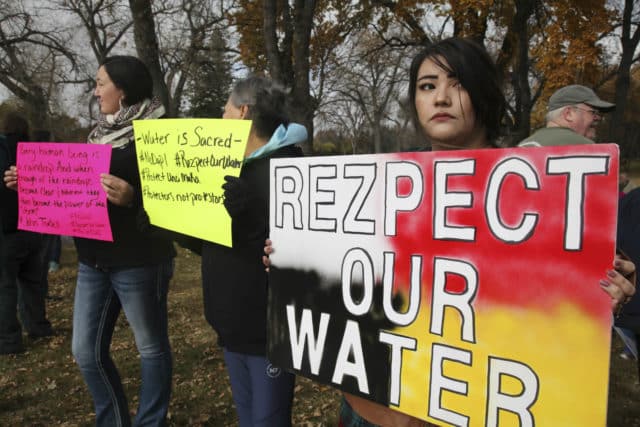
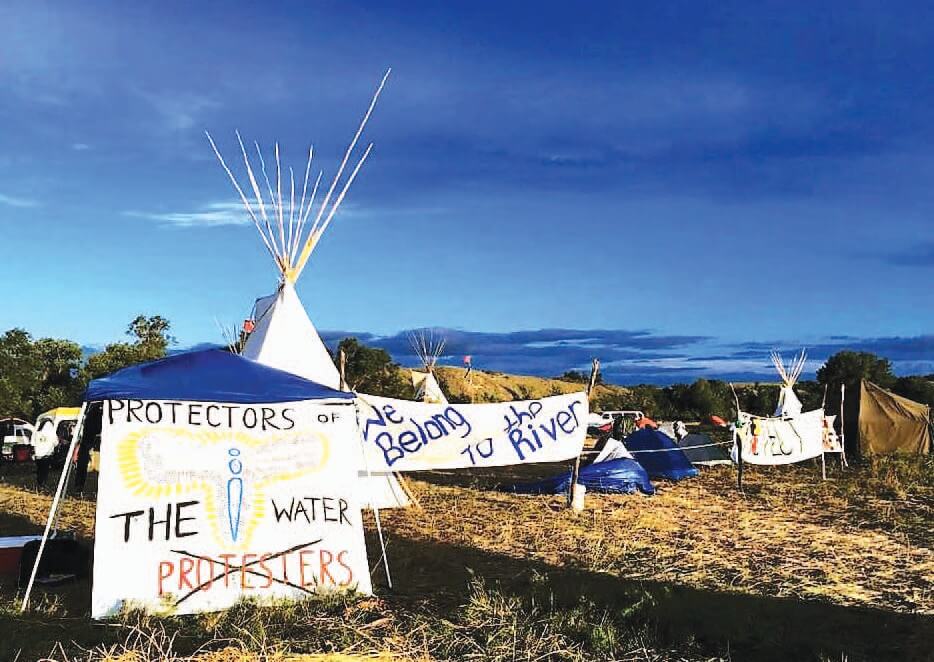
The historic gathering of tribes from across the continent in opposition to the Dakota Access pipeline continues in the face of aggressive state repression and media manipulation. Last Friday, Governor Dalrymple declared a State of Emergency in order to make additional state resources available to “manage public safety risks associated with the protest.” Dalrymple has complained of “outside agitators” responsible for “hundreds of criminal acts,” and called on federal officials to help. But LaDonna Allard, Director of the Camp of the Sacred Stone, says, “The gathering here remains 100% peaceful and ceremonial, as it has from day one. We are standing together in prayer. No firearms or weapons are allowed. Why is a gathering of Indians so inherently threatening and frightening to some people?”
On Monday, August 22, the Morton County Board also declared a State of Emergency in order to access the funds released by the Governor – to request overtime wages, extra equipment, and money to reimburse other law enforcement agencies sending resources. This decision relies on a false narrative of violence put forth by Morton County Sheriff Kyle Kirchmeier, who last week announced outrageous, unsubstantiated claims of “pipe bombs” and gun violence at the protest site. Dallas Goldtooth, Keep It In The Ground Campaign Organizer for the Indigenous Environmental Network says, “These are dangerous statements by Sheriff Kirchmeier and only foster greater resentment between local native and non-native residents. Furthermore, we have women, children and elders in our camp; and because of the Sheriff’s false narrative those families now have to fear for their own safety. ”
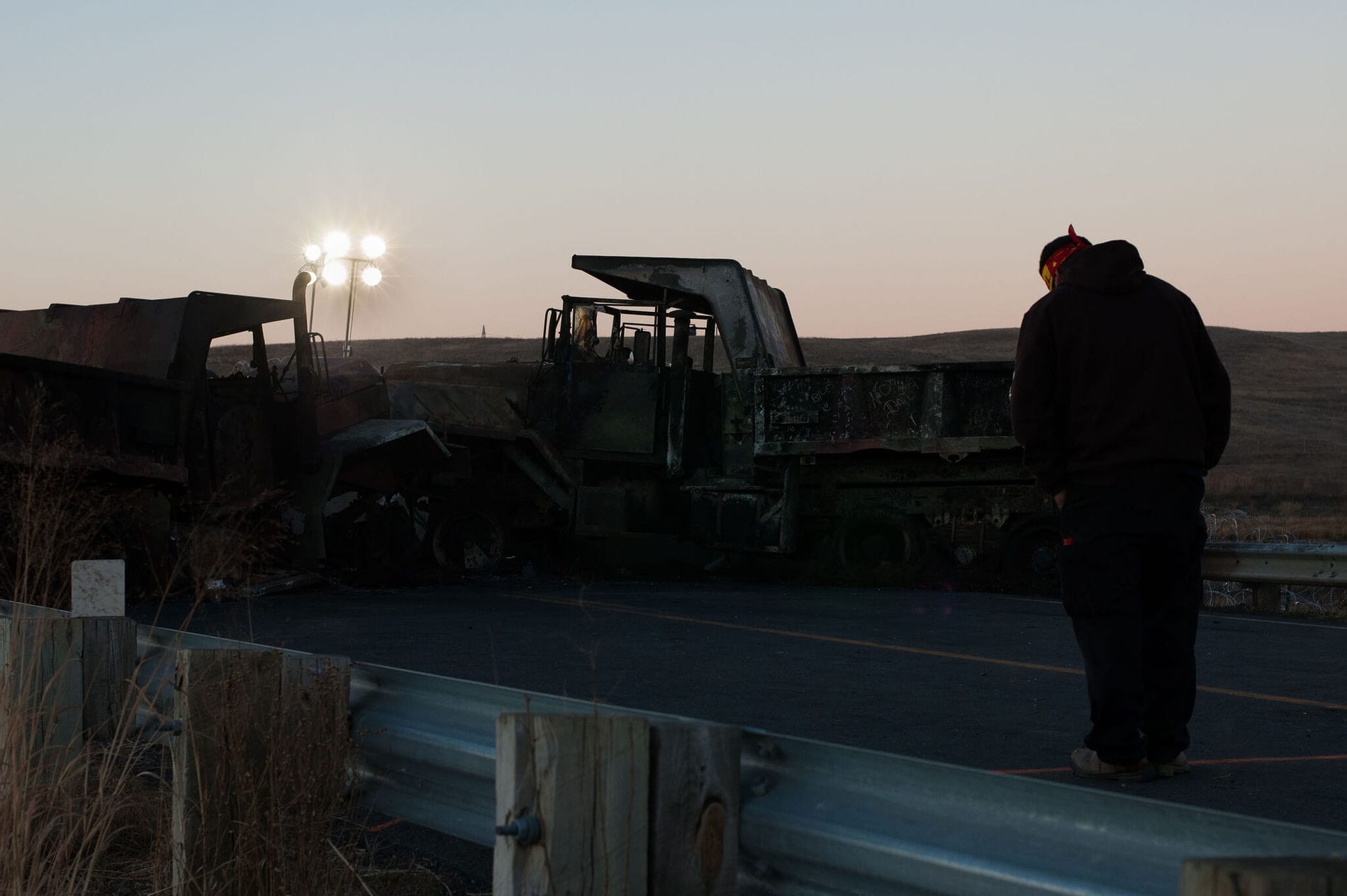
Meanwhile, the main road accessing the camp, Highway 1806, has been shut down by authorities since Friday. A military-style checkpoint is established at Fort Lincoln, where motorists are constantly surveilled with cameras and interrogated about their activities. Identities are recorded and anyone suspected of traveling to the protest site is turned away and forced to travel a long detour. These checkpoints violate constitutional protections and international law by restricting freedom of movement without justification. They further isolate a people who are already extremely geographically and politically isolated. At the same time, police presence has been amplified on the reservation and many have been racially profiled and harassed for no reason.
On Monday, North Dakota’s Homeland Security Director ordered the removal of state-owned medical trailers and water tanks from the camp, citing reports of unlawful activity and fears that the equipment is unsafe. Tara Houska, National Campaigns Director for Honor the Earth, says, “It is deeply ironic that the Governor would release emergency funds under the guise of public health and safety, but then remove the infrastructure that helps ensure health and safety in the camp. This is nothing but repression of our growing movement to protect our water and future generations.”
The North Dakota Highway Patrol and the Federal Bureau of Investigation also announced they are investigating two incidents of “laser strikes” aimed at surveillance aircraft patrolling above the camp. “Why launch a federal investigation into a laser pointer instead of asking what right the US government has to fly surveillance planes over sovereign nations in the first place?” said Houska.
###
Contact:
LaDonna Allard (CSS), ladonnabrave1@aol.com, (701) 426-2064
Dallas Goldtooth (IEN), dallas@ienearth.org, (507) 412-7609
Tara Houska (HTE), tara@honorearth.org, (612) 226-9404
Across the world right now, Indigenous peoples are facing a renewed assault on their lands, rights, and ways of life.
From extractive industries pushing deeper into ancestral territories, to governments rolling back hard-won protections,
the threat is global—and it is growing.
What makes this moment especially dangerous is how little attention it receives.
Stories like this are disappearing in real time. Mainstream media
barely covers it and the coverage is fragmented. The public is left without the context
needed to understand what is truly at stake.
That is exactly why IC Magazine exists..
For more than 20 years, IC has reported on Indigenous struggles worldwide — consistently, independently, and without compromise.
We don’t follow news cycles; we trace patterns. We don’t sensationalize; we provide context.
And when the world looks away, we stay focused.
But this work is increasingly difficult to sustain.
We refuse to lock our reporting behind a paywall. We don’t sell access through subscriptions.
And we don’t answer to advertisers. IC Magazine survives solely because readers like you choose to
support independent Indigenous journalism.
Please donate today if you can. Every contribution helps us to continue this crucial work.
Thank you,
John Ahni Schertow
Founder and Editor in Chief