
Last Updated on May 20, 2019
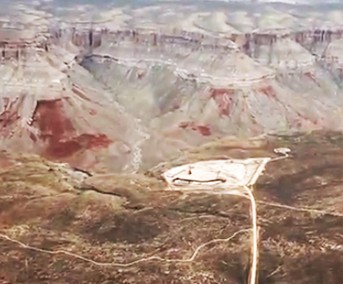
This aptly-named short film profiles the new rush to extract uranium from Havasupai lands and elsewhere around the Grand Canyon National Park.
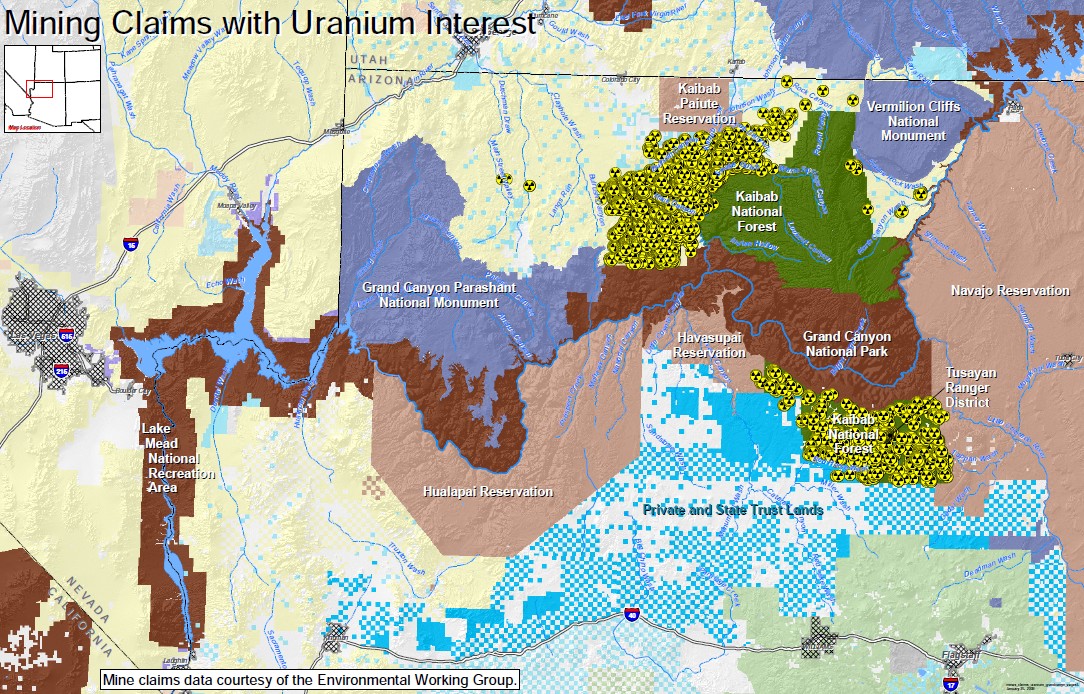
When the U.S. government announced its 20-year withdrawal of nearly one million acres of public land from uranium mining at the Grand Canyon, people across the United States breathed a much-needed sigh of relief. With more than 5,000 uranium claims staked within the area, the future of the Grand Canyon was beginning to look grim.
However, there is a misconception about what the withdrawal really means. Due to a lack of trustworthy communication–and a little wishful thinking–many people have been led to believe that the withdrawal established a full moratorium on uranium exploitation/development. That is just not the case. The government still allows companies to develop uranium mines on existing claims that it deems “valid”.
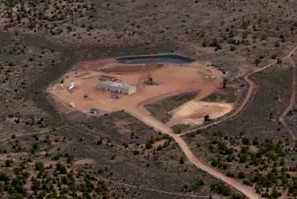
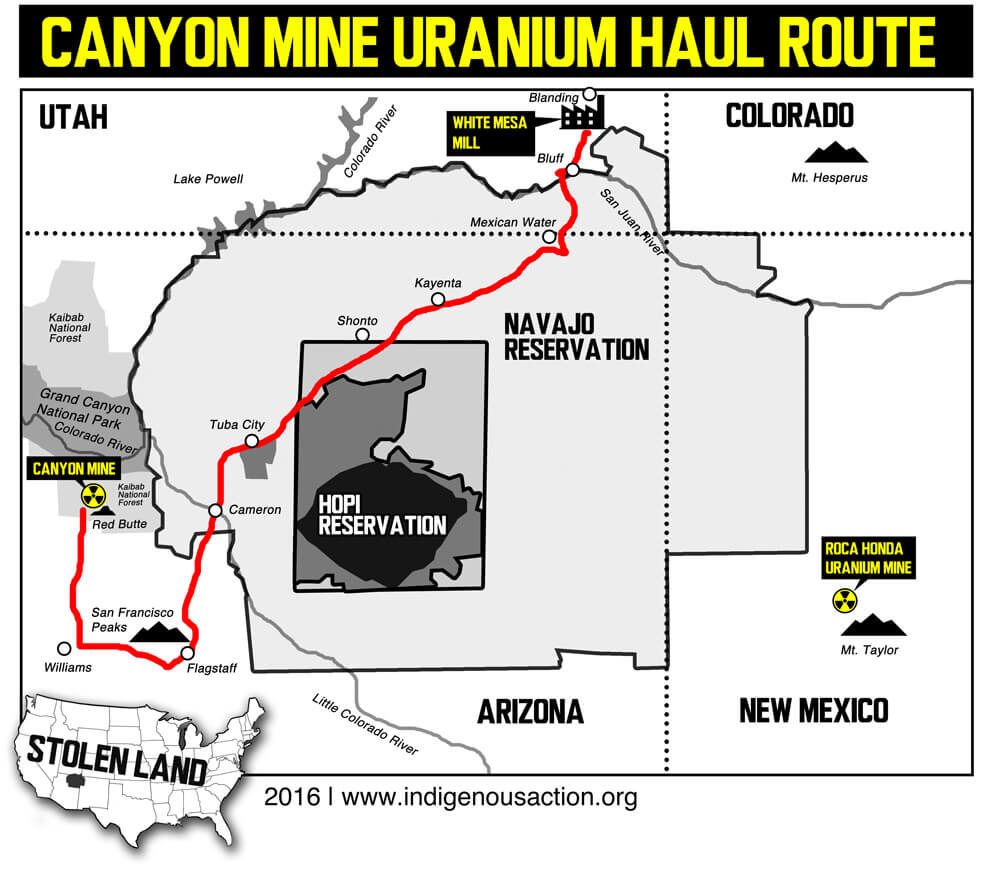
Currently, there are approx. 3,500 valid claims within the withdrawal area. There are also a total of 11 mines on the table, including the Arizona 1 mine, The Kanab mine, The Canyon mine and The Pinenut mine. A Canadian mining company, Denison Mines Corp., owns all four mines.
These mining operations are moving forward under outdated environmental and cultural impact studies that were originally approved in the 1980s.
Both the Interior Department and the Forest Service have the authority to demand updated reviews, but they have so far refused to do so.
Across the world right now, Indigenous peoples are facing a renewed assault on their lands, rights, and ways of life.
From extractive industries pushing deeper into ancestral territories, to governments rolling back hard-won protections,
the threat is global—and it is growing.
What makes this moment especially dangerous is how little attention it receives.
Stories like this are disappearing in real time. Mainstream media
barely covers it and the coverage is fragmented. The public is left without the context
needed to understand what is truly at stake.
That is exactly why IC Magazine exists..
For more than 20 years, IC has reported on Indigenous struggles worldwide — consistently, independently, and without compromise.
We don’t follow news cycles; we trace patterns. We don’t sensationalize; we provide context.
And when the world looks away, we stay focused.
But this work is increasingly difficult to sustain.
We refuse to lock our reporting behind a paywall. We don’t sell access through subscriptions.
And we don’t answer to advertisers. IC Magazine survives solely because readers like you choose to
support independent Indigenous journalism.
Please donate today if you can. Every contribution helps us to continue this crucial work.
Thank you,
John Ahni Schertow
Founder and Editor in Chief