
Last Updated on March 28, 2013
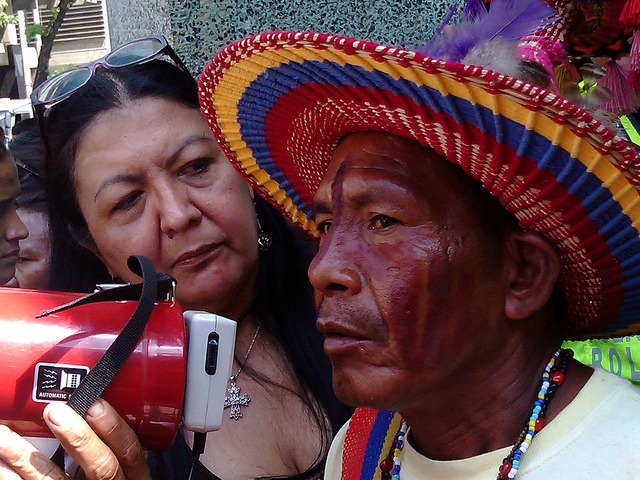
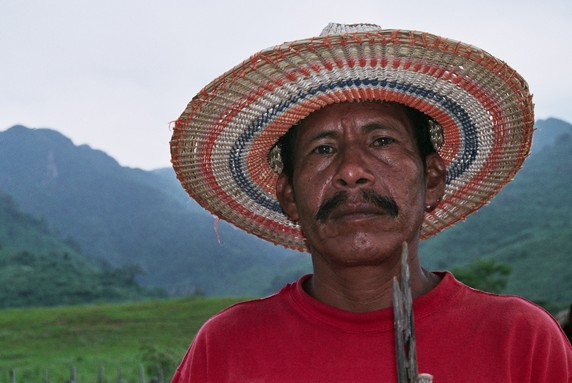
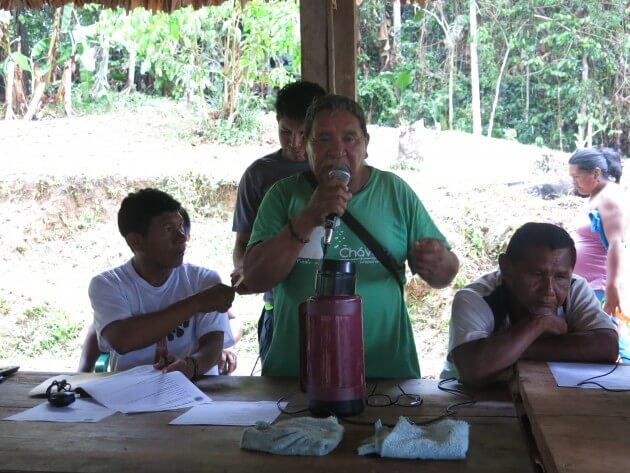
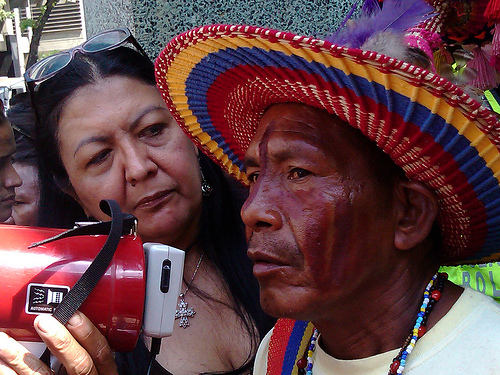
Merida, March 26th 2013 (Venezuelanalysis.com) – Following the murder of indigenous Yukpa leader Sabino Romero three weeks ago, a committee of 17 Yukpa met yesterday with the minister for foreign affairs, Elias Jaua, who promised to make payments so their lands could be inhabited by them.
The payments are to compensate land and building renovations made by cattle ranchers who are occupying 25 large land holdings that the Yukpa have legal collective titles to.
On 12 October 2009 the government handed over collective property titles to Yukpa communities, and on 11 October 2011, then President Hugo Chavez publically announced the government would nationalise the 25 ranches, with a total area of 15,810 hectares. Then on 6 May last year Chavez announced the assignation of Bs 259 million to make those nationalisation payments.
Jaua, representing the government, has promised the payments will be made within sixty days.
Romero was murdered on 3 March and until now, no arrests have been made. Two local police have been detained for investigations, then released due to lack of evidence linking them with the crime.
Last year seven Yukpa were also murdered by cattle ranchers or killers hired by them, and many more have been injured. Cattle ranchers have refused to hand over the land to the rightful owners, claiming they haven’t received payments for the land. In response, Yukpa people have occupied some of the large farms, and have been violently removed.
So far, the murderers of the Yukpa remain unpunished.
Romero’s son, who shares the same name, told press after the meeting with Jaua that the Yukpa had demanded the government investigate the crime.
Days after the murder however, the government said it had sent an investigation team to the region, including members of the national intelligence service SEBIN, and the criminal investigation body CICPC.
Homo et Natura reported that the Yukpa are demanding a “holistic” investigation which includes the other seven Yukpa murdered. They also demanded that Captain Lopez and other soldiers be detained and judged, for allegedly allowing the two hired killers to flee on their motorbike after killing Sabino. Further, they requested that two other individuals be detained for allegedly beating Sabino and his family and making death threats.
The Yukpa met with Zulia governor Francisco Arias last week, who then arranged the meeting with Jaua in Caracas. Jaua, previously vice-president of Venezuela, has also been minister for agriculture, and the director of the land institute, Inti.
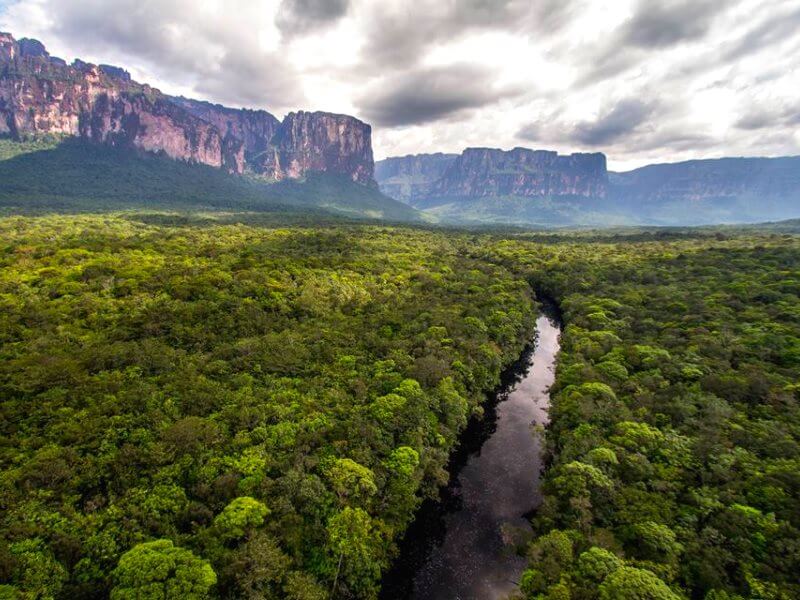
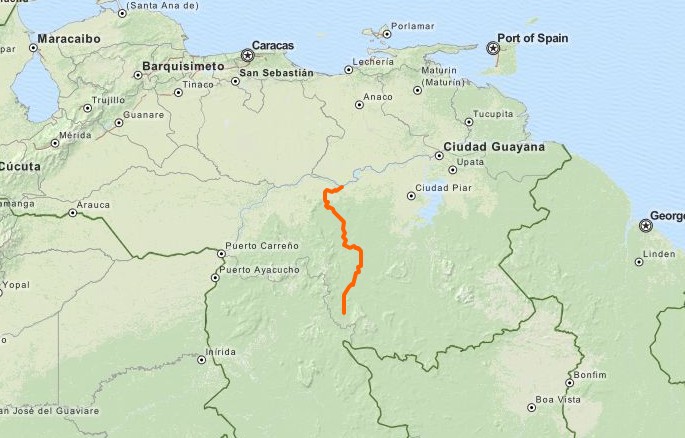
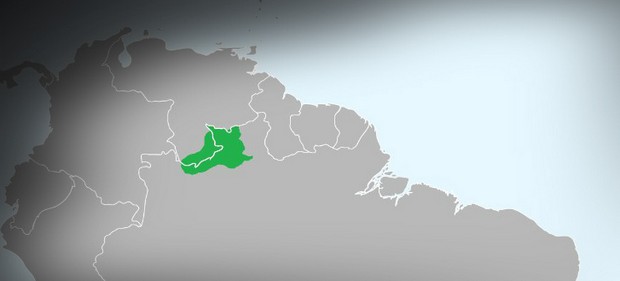
The Yukpa live in the Perija region of Zulia state. The region is one of Venezuela’s key producers of milk and beef, and there are also certain mining interests there.
This article was originally published at Venezuelanalysis.com
Across the world right now, Indigenous peoples are facing a renewed assault on their lands, rights, and ways of life.
From extractive industries pushing deeper into ancestral territories, to governments rolling back hard-won protections,
the threat is global—and it is growing.
What makes this moment especially dangerous is how little attention it receives.
Stories like this are disappearing in real time. Mainstream media
barely covers it and the coverage is fragmented. The public is left without the context
needed to understand what is truly at stake.
That is exactly why IC Magazine exists..
For more than 20 years, IC has reported on Indigenous struggles worldwide — consistently, independently, and without compromise.
We don’t follow news cycles; we trace patterns. We don’t sensationalize; we provide context.
And when the world looks away, we stay focused.
But this work is increasingly difficult to sustain.
We refuse to lock our reporting behind a paywall. We don’t sell access through subscriptions.
And we don’t answer to advertisers. IC Magazine survives solely because readers like you choose to
support independent Indigenous journalism.
Please donate today if you can. Every contribution helps us to continue this crucial work.
Thank you,
John Ahni Schertow
Founder and Editor in Chief