Last Updated on June 4, 2019
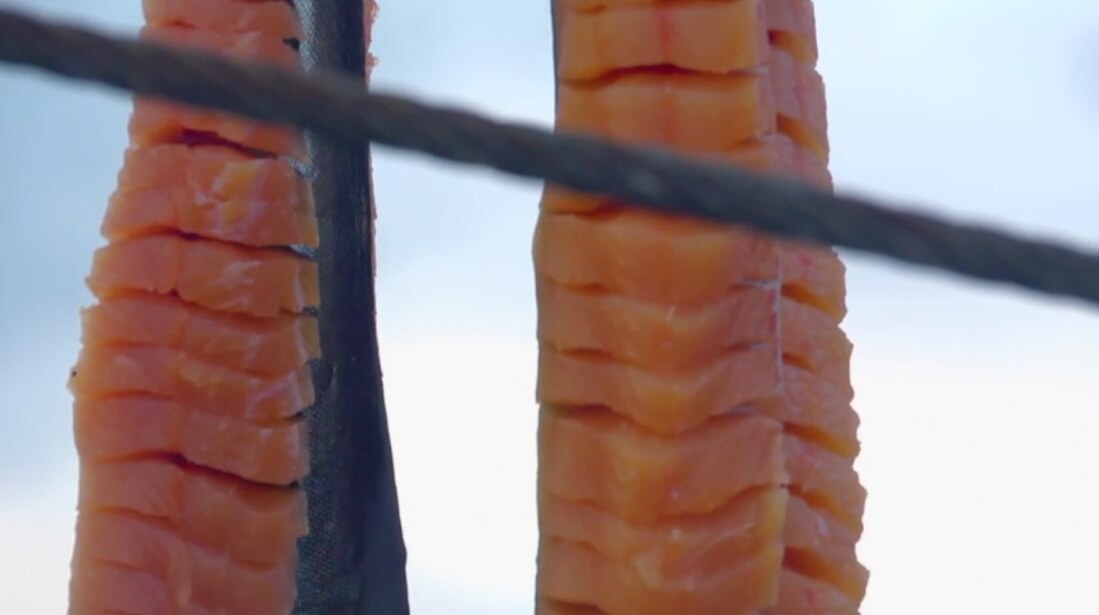
A conventional “western” diet is well known for its negative impact on public health, but what are the health impacts of indigenous food? How are Indigenous peoples reclaiming their traditional foods and incorporating these foods into their diets? What are the specific plants and animals that Indigenous Peoples consume and what are their methods for processing and preparing them? By restoring traditional food systems, how has individual and public health been affected?
These are just some of the questions we will venture to answer in Food as Medicine, a new 12-part article series that explores the relationship between Indigenous peoples’ foods and their health.
The new series is made possible by grant from the Elna Vesara Ostern Fund that was awarded to the Center for World Indigenous Studies by the California Community Foundation.
Journalists from all corners of the globe are invited to send Intercontinental Crya pitch for this series. All pitches will be reviewed, but we have a fixed monthly budget that allows us to accept only one pitch per month.
Journalists will be paid a fixed rate of CAD$300 for completed stories that meet the following requirements:
*Must be 2000 words in length.
*Must include at least 2 interviews from the community.
*Must be accompanied by at least 5 digital images
*One traditional recipe should be included
Pitches should be sent to IC’s Editor in Chief, John Ahni Schertow, intercontinentalcry@gmail.com
Intercontinental Cry (IC) is a non-profit newsroom that produces public-interest journalism centered on Indigenous rights and the environment. A project of the Center for World Indigenous Studies (a US-based 501(C)(3) founded in 1979), IC is led by journalists and academics of Indigenous descent.
Across the world right now, Indigenous peoples are facing a renewed assault on their lands, rights, and ways of life.
From extractive industries pushing deeper into ancestral territories, to governments rolling back hard-won protections,
the threat is global—and it is growing.
What makes this moment especially dangerous is how little attention it receives.
Stories like this are disappearing in real time. Mainstream media
barely covers it and the coverage is fragmented. The public is left without the context
needed to understand what is truly at stake.
That is exactly why IC Magazine exists..
For more than 20 years, IC has reported on Indigenous struggles worldwide — consistently, independently, and without compromise.
We don’t follow news cycles; we trace patterns. We don’t sensationalize; we provide context.
And when the world looks away, we stay focused.
But this work is increasingly difficult to sustain.
We refuse to lock our reporting behind a paywall. We don’t sell access through subscriptions.
And we don’t answer to advertisers. IC Magazine survives solely because readers like you choose to
support independent Indigenous journalism.
Please donate today if you can. Every contribution helps us to continue this crucial work.
Thank you,
John Ahni Schertow
Founder and Editor in Chief