Last Updated on September 3, 2016
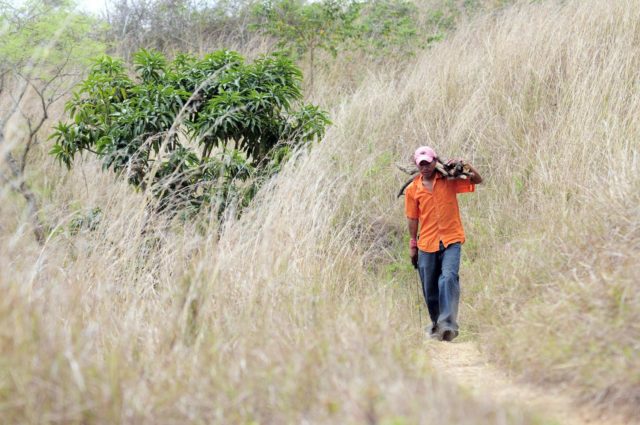
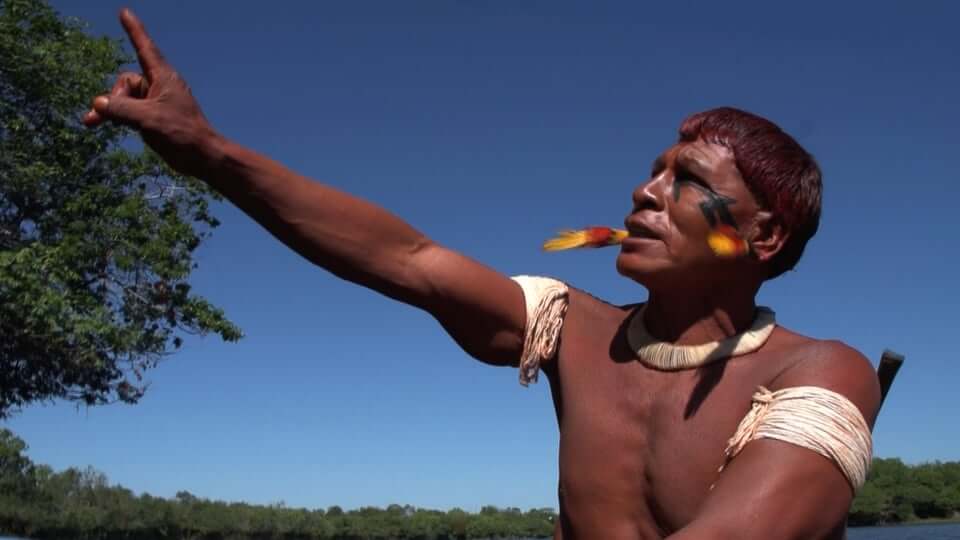
Climate Change is no longer some abstract idea that we can debate or dismiss. In Brazil’s Xingu Indigenous Park, climate change has arrived.
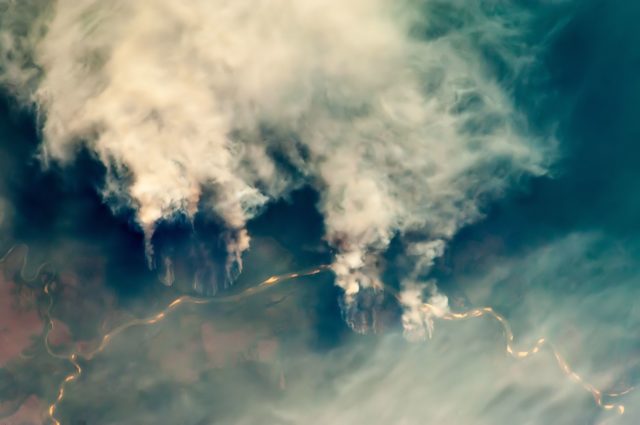
The signs are everywhere. Cicadas no longer announce that the rain is coming. Swallows no longer fly in droves to announce the start of the rains. The butterflies are gone. The Monkeys are gone. Trees are refusing to blossom. Fruit and staple foods like cassava and potato are going rotten before they mature. Fires rage out of control, tearing through the rainforest with alarming ease. And it’s getting hotter.
This film by Instituto Socioambiental and Instituto Catitu looks at the devastating causes and effects of these changes that threaten not only the future of Indigenous Peoples in the Xingu River basin, but the future of all people, everywhere.
Across the world right now, Indigenous peoples are facing a renewed assault on their lands, rights, and ways of life.
From extractive industries pushing deeper into ancestral territories, to governments rolling back hard-won protections,
the threat is global—and it is growing.
What makes this moment especially dangerous is how little attention it receives.
Stories like this are disappearing in real time. Mainstream media
barely covers it and the coverage is fragmented. The public is left without the context
needed to understand what is truly at stake.
That is exactly why IC Magazine exists..
For more than 20 years, IC has reported on Indigenous struggles worldwide — consistently, independently, and without compromise.
We don’t follow news cycles; we trace patterns. We don’t sensationalize; we provide context.
And when the world looks away, we stay focused.
But this work is increasingly difficult to sustain.
We refuse to lock our reporting behind a paywall. We don’t sell access through subscriptions.
And we don’t answer to advertisers. IC Magazine survives solely because readers like you choose to
support independent Indigenous journalism.
Please donate today if you can. Every contribution helps us to continue this crucial work.
Thank you,
John Ahni Schertow
Founder and Editor in Chief