Last Updated on April 10, 2025
American actress Sigourney Weaver narrates a 10-minute graphical tour about the harmful impacts of, and alternatives to the massive Belo Monte Dam Complex on the Amazon’s Xingu River.
The controversial project, said to be “one of the most inefficient dams” ever proposed, would have numerous social and environmental impacts on the Amazon region.
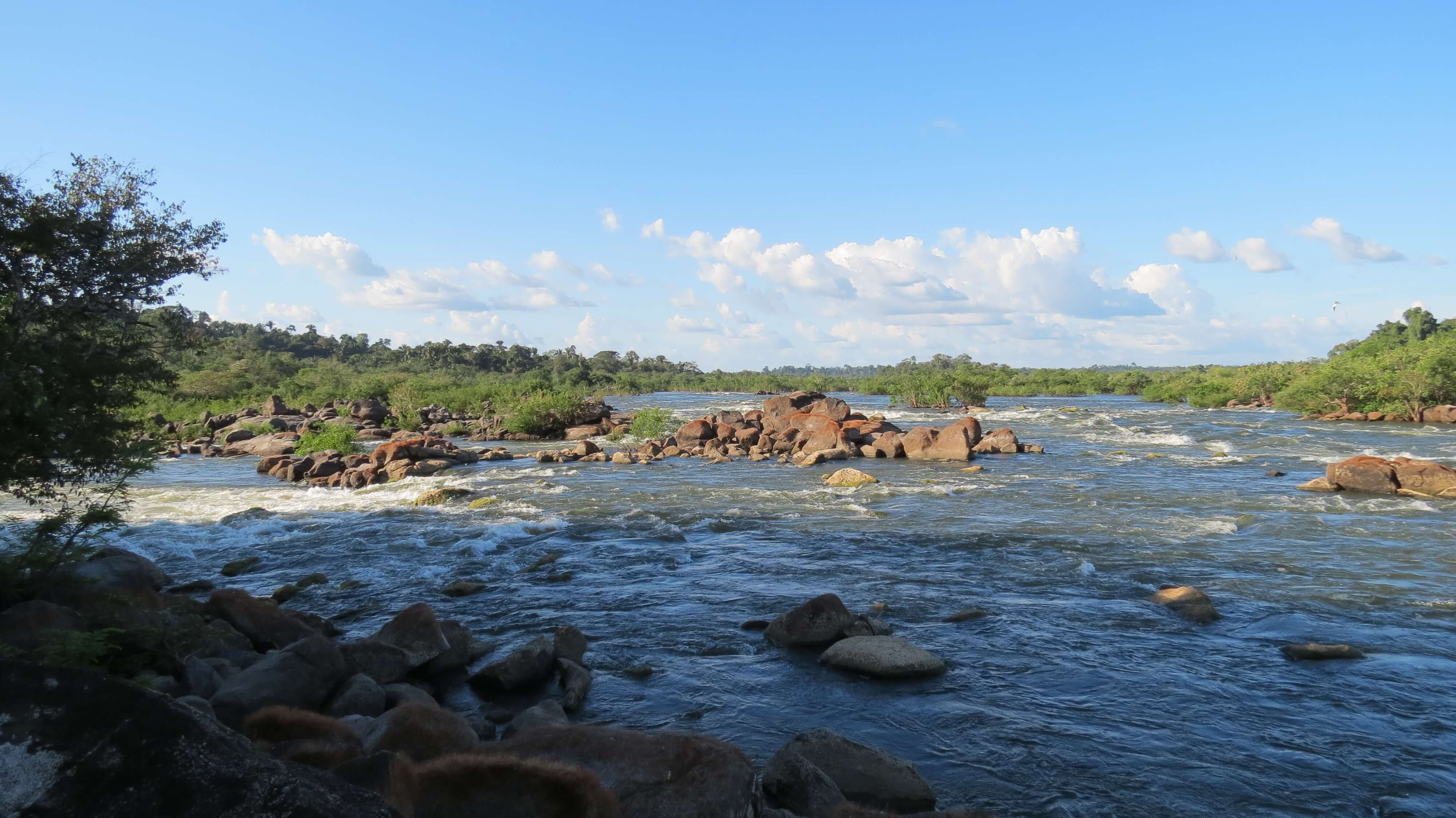
First and foremost, the dam complex would divert the flow of the Xingu River, depriving a vast region of important seasonal floodwaters. Reservoirs for the dam, on the other hand, would flood more than 500 square kilometres of pristine Rainforest.
The region’s biodiversity would be severely impacted by the dam, whether it’s endemic and migratory fish species like the plant-eating piranha; endangered species like the white-cheeked spider monkey; or threatened turtle species who would lose their breeding grounds.
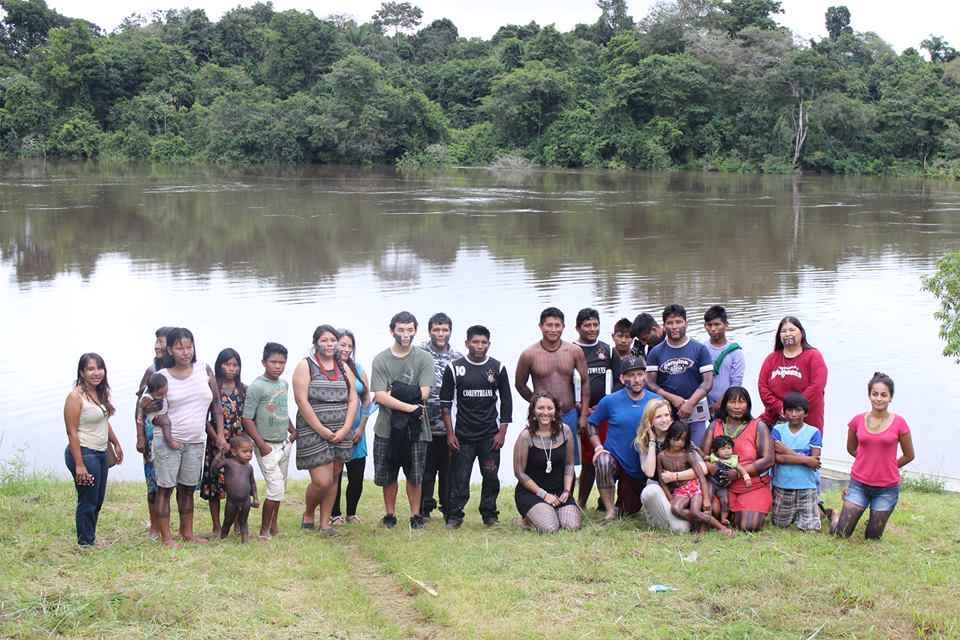
The dam would also displace between 20,000 and 40,000 people (officially 19,000 people) including Juruna, Xikrín, Arara, Xipaia, Kuruaya and Kayapó Indigenous communities.
Because of the risk of displacement to Indigenous Peoples–and the fact that the Brazilian government hasn’t consulted them–the Inter-American Commission on Human Rights (IACHR), this month requested the Immediate Suspension of the Belo Monte Dam until a “culturally appropriate” consultation process has taken place.
The IACHR’s decision was in direct response to a November 2010 complaint presented by the Xingu Alive Forever Movement (MXVPS), the Coordination of Indigenous Organizations in the Brazilian Amazon (COIAB) and others on behalf of local, traditional communities in the Xingu river basin.
“The IACHR also request[ed] Brazil to adopt “vigorous and comprehensive measures” to protect the lives and personal integrity of isolated indigenous peoples in the Xingu river basin, as well as effective measures to prevent the spread of diseases and epidemics among traditional communities threatened by the project,” notes a joint statement by MXVPS, COIAB, SDDH, AIDA, Amazon Watch and International Rivers.
Sadly, Brazil’s Foreign Ministry responded to the IACHR by claiming that the commission’s request was “hasty and unjustified.” The government insists that they’re already taking into account all the social and environmental impacts surrounding the project.
In late February, a federal judge in Brazil suspended construction of the Belo Monte Dam, citing 29 unmet environmental and social conditions. To date, the government has not addressed any of those conditions.
For more information, contact:
Astrid Puentes, Co-Director AIDA +1 (202) 294-3285
Andressa Caldas, Director Justiça Global +55 (21) 8187-0794
Roberta Amanajás, Lawyer SDDH +55 (91) 8162-1232
Marco Apolo, President SDDH +55 (91) 8156-0860
Caroline Bennett, Amazon Watch +1 (415) 487-9600
Across the world right now, Indigenous peoples are facing a renewed assault on their lands, rights, and ways of life.
From extractive industries pushing deeper into ancestral territories, to governments rolling back hard-won protections,
the threat is global—and it is growing.
What makes this moment especially dangerous is how little attention it receives.
Stories like this are disappearing in real time. Mainstream media
barely covers it and the coverage is fragmented. The public is left without the context
needed to understand what is truly at stake.
That is exactly why IC Magazine exists..
For more than 20 years, IC has reported on Indigenous struggles worldwide — consistently, independently, and without compromise.
We don’t follow news cycles; we trace patterns. We don’t sensationalize; we provide context.
And when the world looks away, we stay focused.
But this work is increasingly difficult to sustain.
We refuse to lock our reporting behind a paywall. We don’t sell access through subscriptions.
And we don’t answer to advertisers. IC Magazine survives solely because readers like you choose to
support independent Indigenous journalism.
Please donate today if you can. Every contribution helps us to continue this crucial work.
Thank you,
John Ahni Schertow
Founder and Editor in Chief