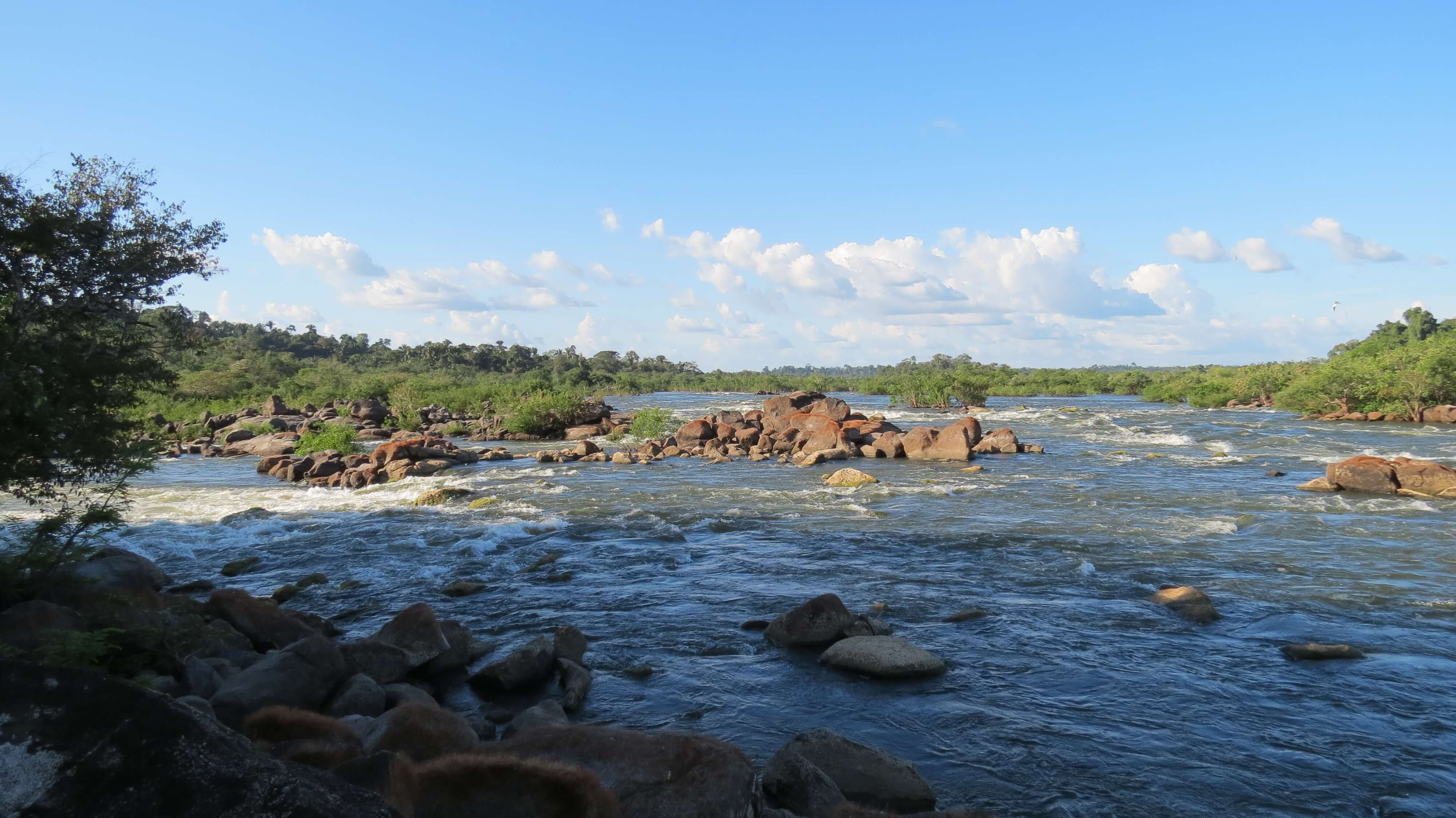
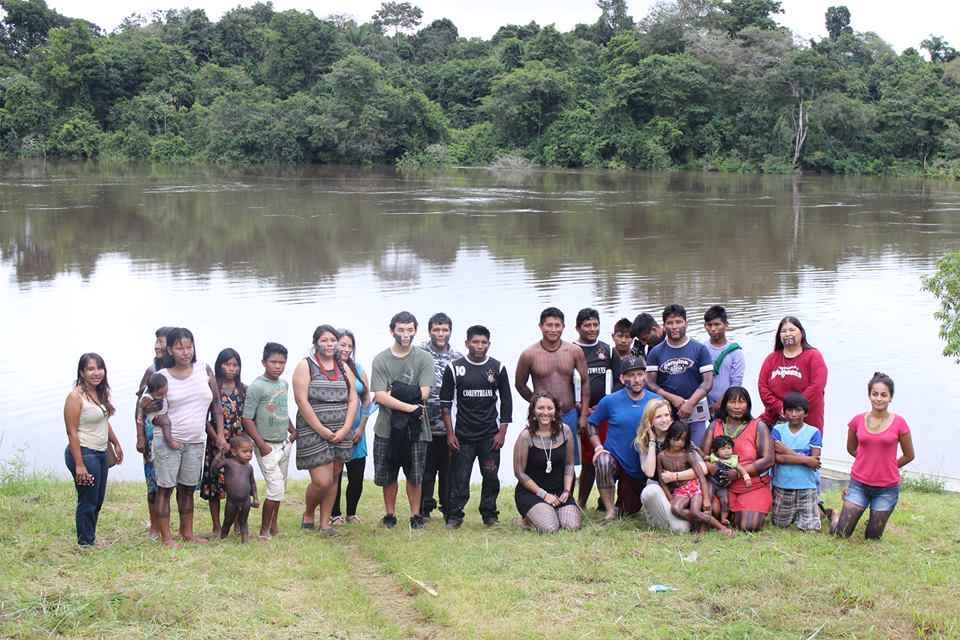
The Arara, also known as the Ukarãngmã, inhabit the southwestern region of Pará in the Brazilian Amazon. Their name means “macaw” in Portuguese, reflecting their deep connection to the forest and its vibrant biodiversity. Traditionally semi-nomadic, the Arara are skilled in hunting, fishing, and horticulture. Their cosmology, language, and ritual practices—passed down through generations—are intimately tied to the rainforest, which they protect with profound respect and knowledge.
The Arara have long faced threats from illegal logging, land invasions, and infrastructure projects, particularly the Trans-Amazonian Highway that cut through their ancestral lands in the 1970s. These intrusions led to violent encounters, environmental degradation, and disease outbreaks that decimated populations. Although land rights have been partially recognized through demarcated territories, enforcement remains weak. Today, the Arara continue to battle for sovereignty, cultural preservation, and environmental justice amid ongoing encroachment.
Despite systemic challenges, the Arara have emerged as powerful voices for Indigenous rights and ecological protection. They are actively involved in territorial monitoring, language revitalization, and intergenerational knowledge sharing. Through partnerships with advocacy networks and environmental organizations, the Arara are helping lead global conversations on rainforest conservation. Their determination to thrive while defending the Amazon exemplifies a fierce and inspiring commitment to identity, autonomy, and the Earth itself.