Last Updated on April 10, 2025
It was the children’s faces, sometimes their eyes looking at me. They got straight to my heart.
For our improvised film night, my friend chose “Belo Monte: Announcement of a War,” a documentary film about the Belo Monte dam. I knew something about this dam and was somewhat acquainted with the resistance of the Kayapó people to it, but I had stopped following the issue a long time ago. This documentary changed all that. It was very well done and informative; it gave all the parties involved the opportunity to express their own views. And then, there were the children.
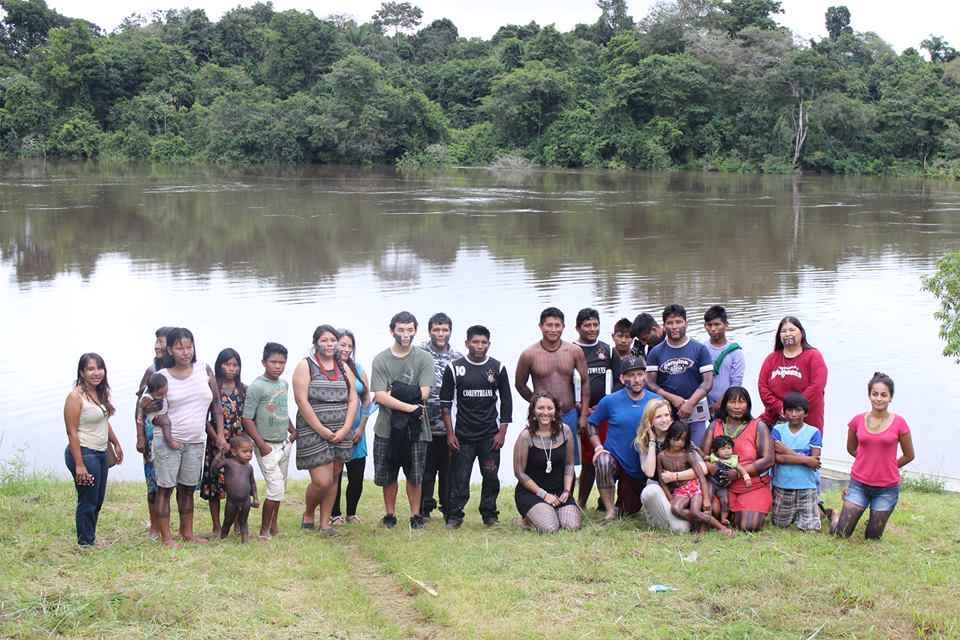
Happy children in the communities of the Xingu River. Dancing in the village with their elder brothers and sisters, their parents and grandparents. Growing up in a world full of beauty and life. Children of indigenous people. Children of farmers and fishermen who have also made the Xingu their home. Looking at them, I thought: “Here’s the true cost of this disaster the Brazilian government calls ‘a dam’.” Because it is the children of the Xingu River who have the most to lose.
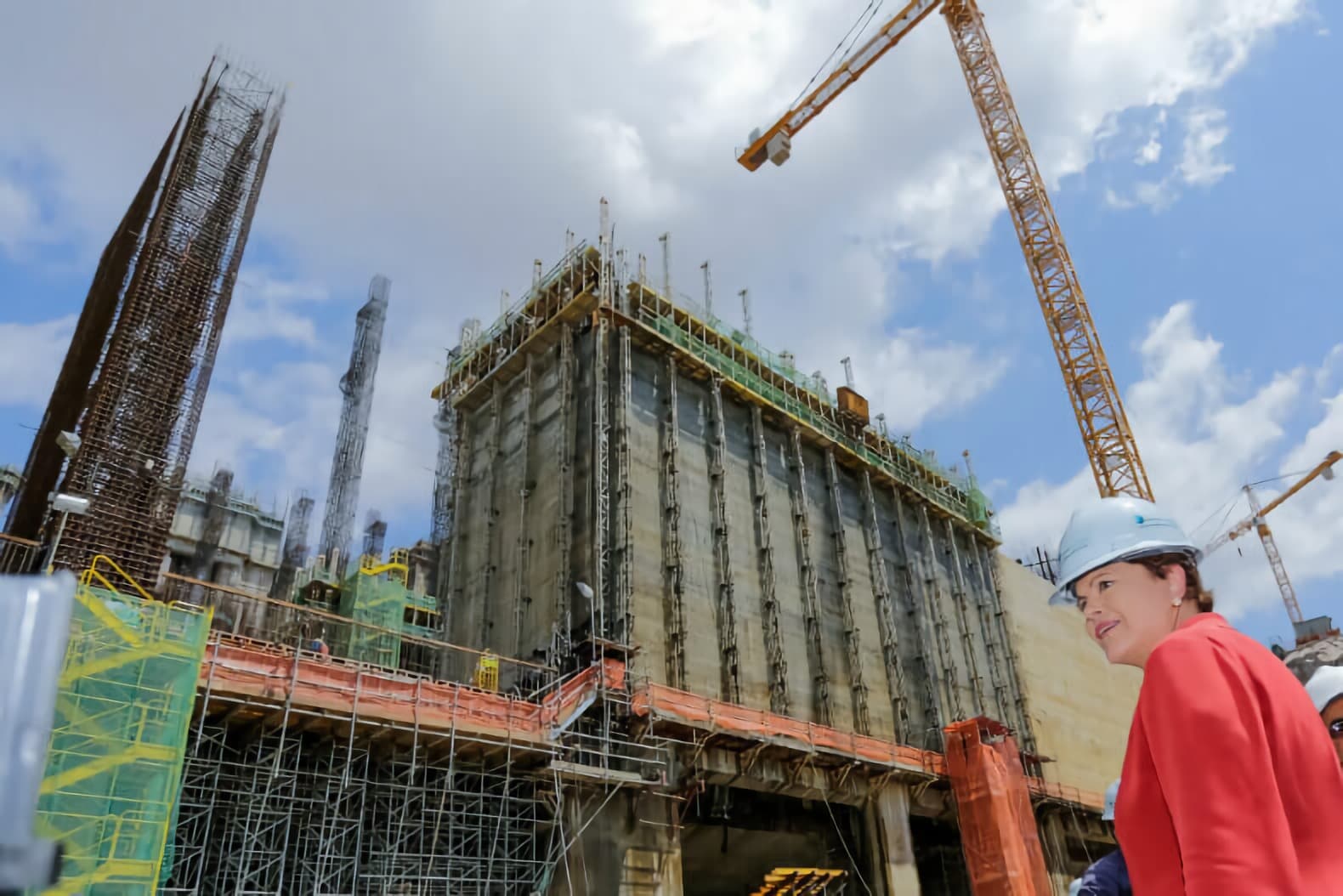
Plans for the Belo Monte dam began in 2003, during the Lula administration, although the project itself dates back to the time of Brazil’s military dictatorship. The Brazilian government promotes it as an essential development project, but there are better alternatives and the rising social, economic and environmental costs of the dam have already proven devastating. Opposition to the project is widespread, but the government (both Lula’s and the current one, headed by Dilma Rousseff) has remained undeterred. The actual construction work began in 2011, after many legal challenges (still ongoing) and much political pressure. The dam is expected to begin operating this year and be fully operational by 2019.
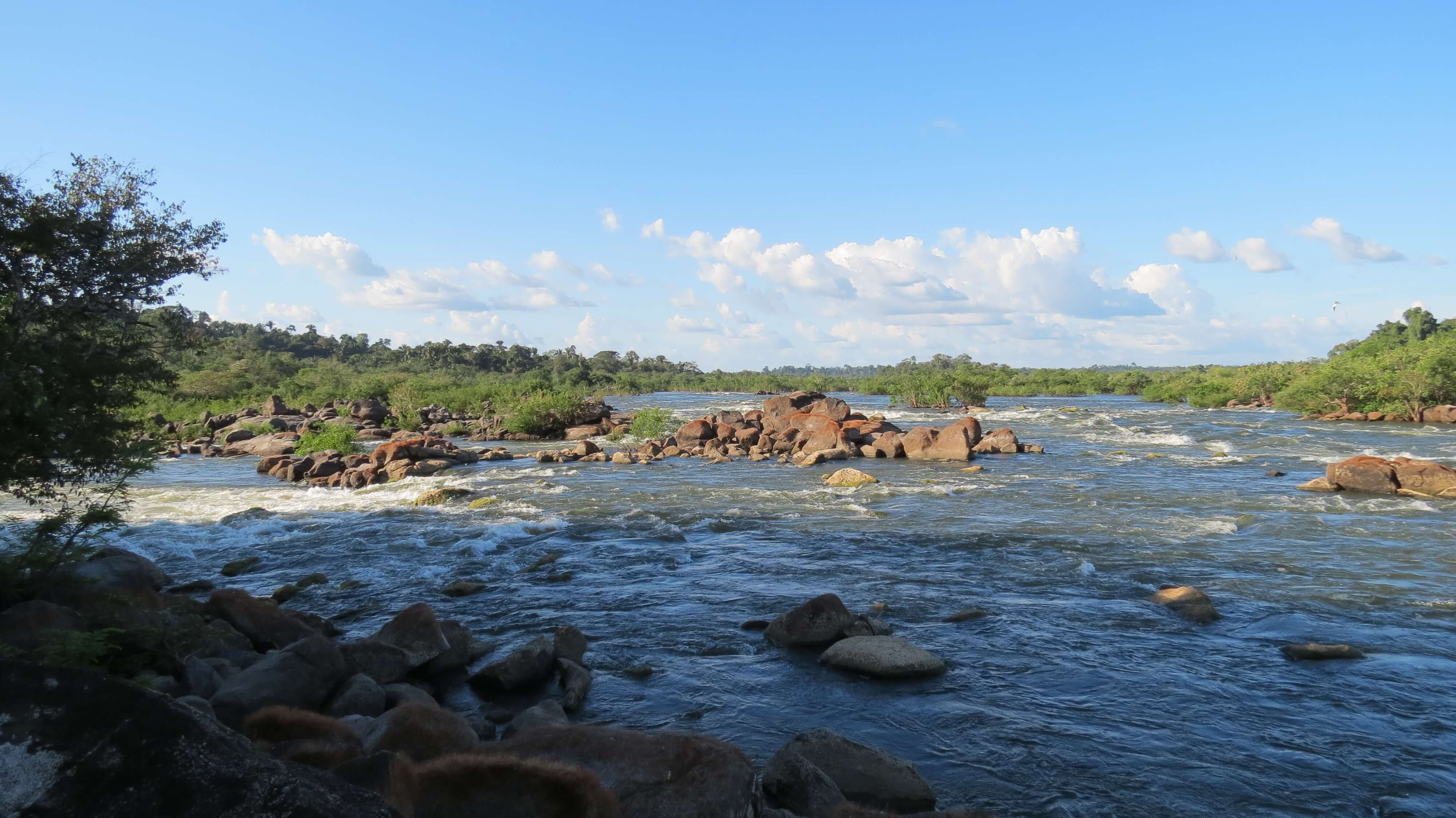
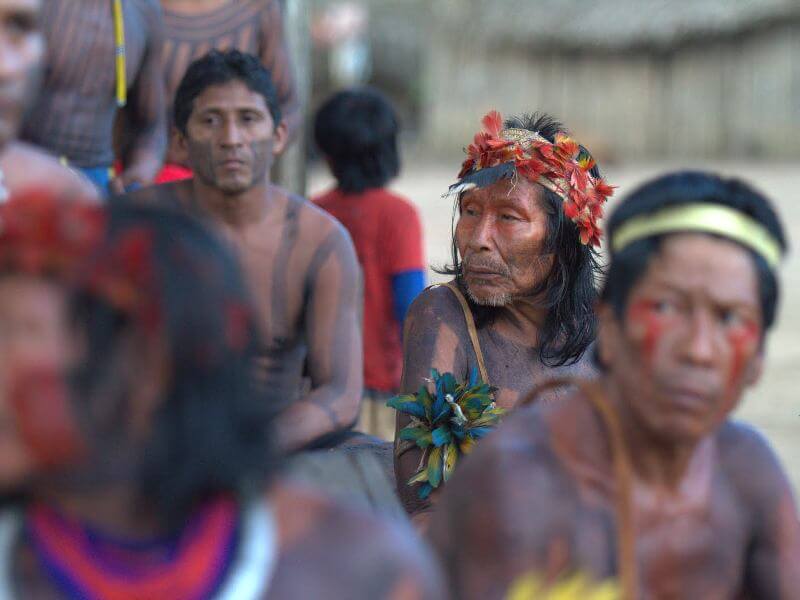
If it does become operational, the children of the Indigenous Peoples of the Xingu Basin (including, but not limited to, the Kayapó, the Araweté, the Juruna, the Arara, the Asurini and the Parakana) will lose the forest and the river that gives their elders a homeland, a livelihood and a culture. So will the children of the non-indigenous fishermen and farmers who call this region home.
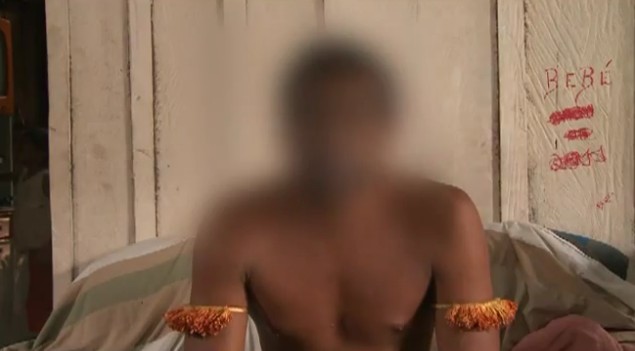
Video Still from “Belo Monte: Announcement of a War”
All of them will see their world irrevocably transformed – from a living forest to the devastation already spreading through other parts of the Amazon; from a beautiful river to poisoned water, a source of sickness, something that’s happening in the Xingu itself; from a place where they can dance and play and ask for stories, to the bleak landscape of social violence, disenfranchisement and rising criminality.
In time (unfortunately, maybe sooner than later) other Amazonian children will follow suit, given the Brazilian government’s intent to build yet another hydropower complex on the Tapajós river. The Belo Monte dam may still turn out to be just one more link in a chain of monsters.
So let us all echo the words of the Kayapó to President Lula da Silva:
and let us all hope that the Brazilian government will see reason.
For the sake of the children.
Across the world right now, Indigenous peoples are facing a renewed assault on their lands, rights, and ways of life.
From extractive industries pushing deeper into ancestral territories, to governments rolling back hard-won protections,
the threat is global—and it is growing.
What makes this moment especially dangerous is how little attention it receives.
Stories like this are disappearing in real time. Mainstream media
barely covers it and the coverage is fragmented. The public is left without the context
needed to understand what is truly at stake.
That is exactly why IC Magazine exists..
For more than 20 years, IC has reported on Indigenous struggles worldwide — consistently, independently, and without compromise.
We don’t follow news cycles; we trace patterns. We don’t sensationalize; we provide context.
And when the world looks away, we stay focused.
But this work is increasingly difficult to sustain.
We refuse to lock our reporting behind a paywall. We don’t sell access through subscriptions.
And we don’t answer to advertisers. IC Magazine survives solely because readers like you choose to
support independent Indigenous journalism.
Please donate today if you can. Every contribution helps us to continue this crucial work.
Thank you,
John Ahni Schertow
Founder and Editor in Chief