Last Updated on April 10, 2025
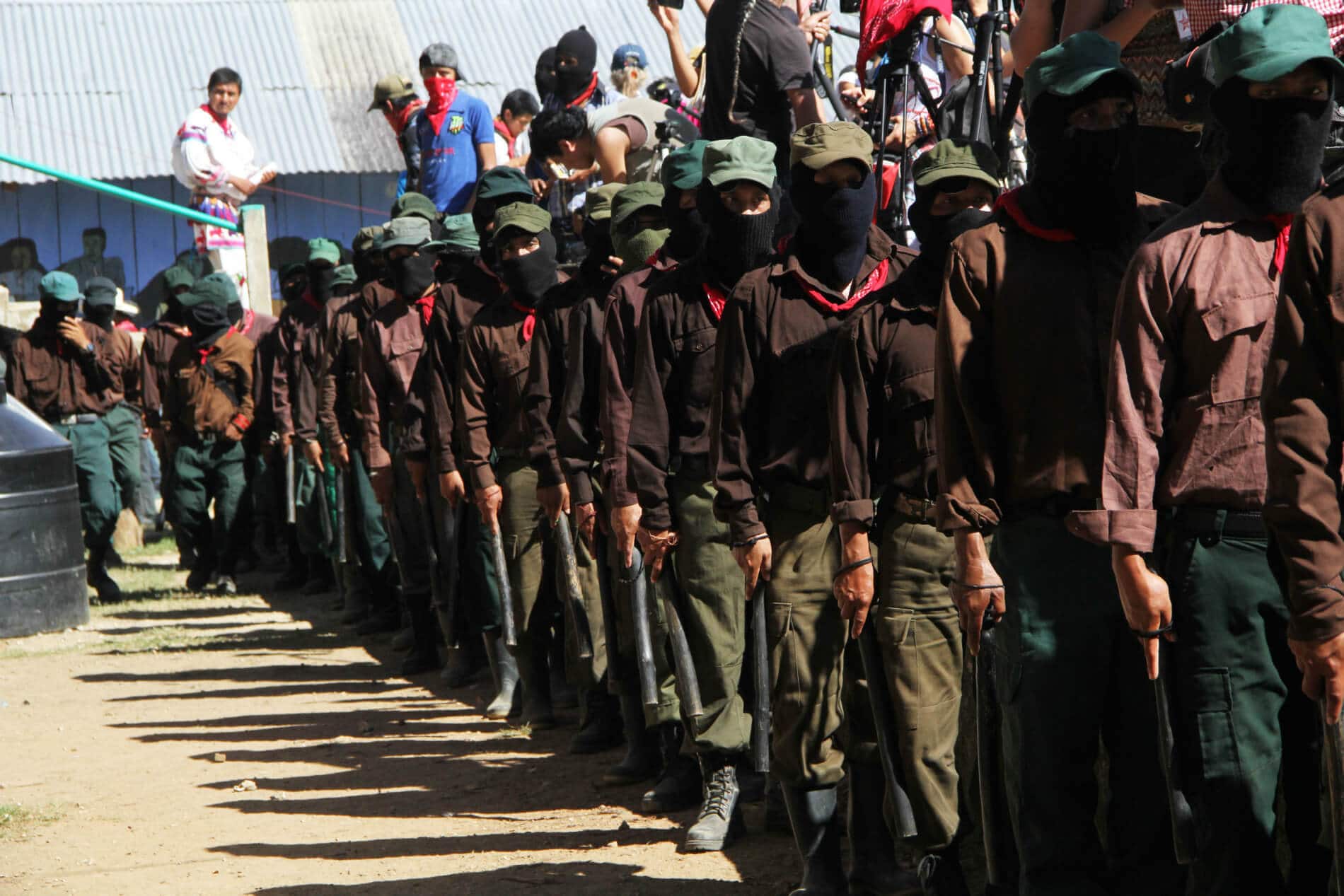
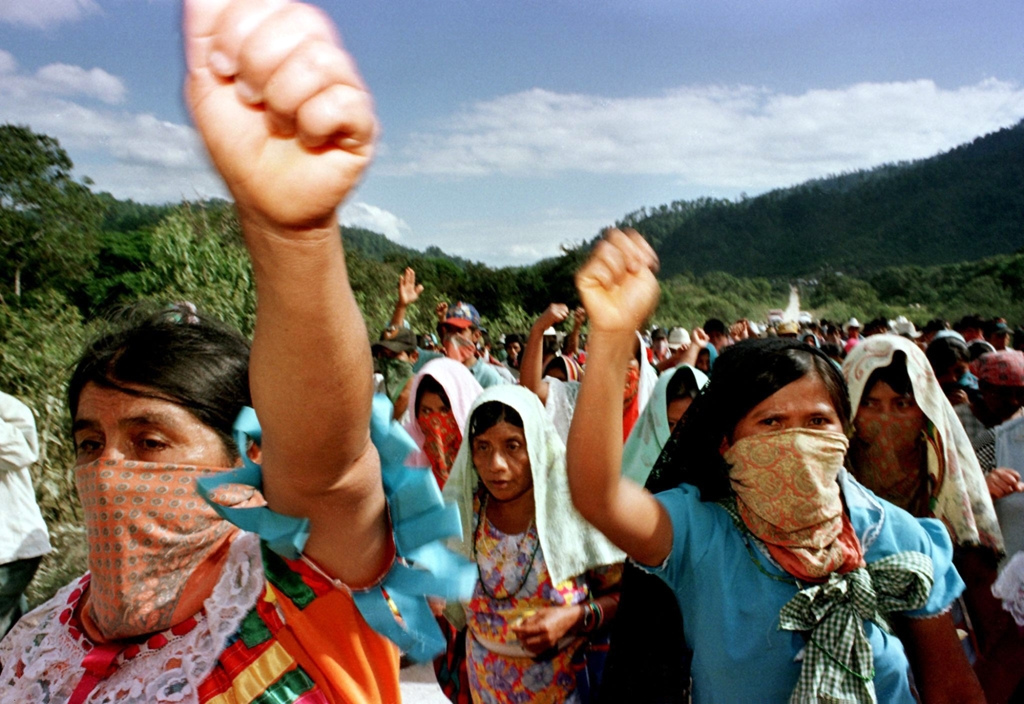
When the Zapatista uprising appeared in world media in January 1994, it wasn’t out of the blue; Mayan communities had been holding assemblies to discuss the ramifications of armed defense of their democratic way of life for well over a decade.
What was new was the alliance with non-indigenous Mexican revolutionaries, born in the national conflict of 1968 — where students were murdered by the army in Mexico City — and a working relationship with international NGOs and civil society human rights networks. Common to them all were principles of participatory democracy, but the driving force was the social base of indigenous communities and their authentic culture.
Today, with Occupy looking to find its feet in fighting globalization and oligarchy — the same foes as confronted by the Zapatistas — NGOs and civil society networks are again essential to the liberation movement. While liberation news outlets and network communications are critical infrastructure for liberation, a social base is equally important.
As Subcomandante Insurgente Marcos remarked during the national campaign for democracy in Mexico,
We are coming after the rich of this country, we are going to kick them out, and if they have committed crimes, well, we will put them in prison… because this is the time that has come. We say that coexisting with them is not possible, because their existence means our disappearance.
For readers looking to better understand the relationships between indigenous peoples, revolution and democracy, my friend David Ronfeldt’s book The Zapatista Social Netwar in Mexico might be both interesting and informative.
Across the world right now, Indigenous peoples are facing a renewed assault on their lands, rights, and ways of life.
From extractive industries pushing deeper into ancestral territories, to governments rolling back hard-won protections,
the threat is global—and it is growing.
What makes this moment especially dangerous is how little attention it receives.
Stories like this are disappearing in real time. Mainstream media
barely covers it and the coverage is fragmented. The public is left without the context
needed to understand what is truly at stake.
That is exactly why IC Magazine exists..
For more than 20 years, IC has reported on Indigenous struggles worldwide — consistently, independently, and without compromise.
We don’t follow news cycles; we trace patterns. We don’t sensationalize; we provide context.
And when the world looks away, we stay focused.
But this work is increasingly difficult to sustain.
We refuse to lock our reporting behind a paywall. We don’t sell access through subscriptions.
And we don’t answer to advertisers. IC Magazine survives solely because readers like you choose to
support independent Indigenous journalism.
Please donate today if you can. Every contribution helps us to continue this crucial work.
Thank you,
John Ahni Schertow
Founder and Editor in Chief