
Last Updated on April 8, 2025
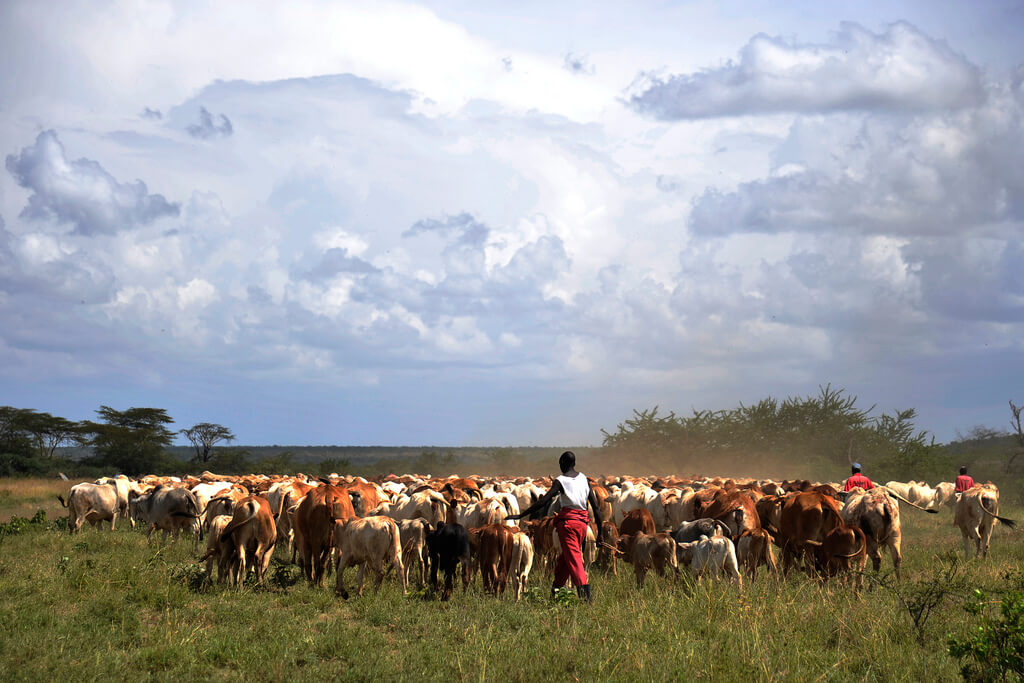
Pastoralists across the world have developed breeds that are invaluable assets for humanity: in conserving bio-diversity, adapting to climate change and achieving food security in harsh and challenging environments.
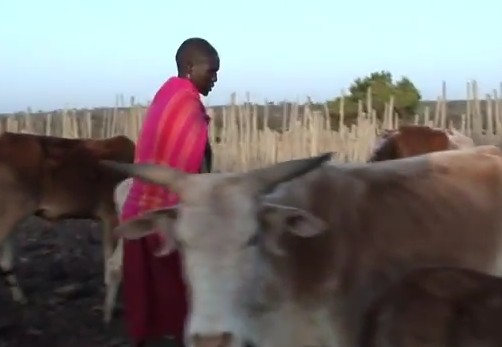
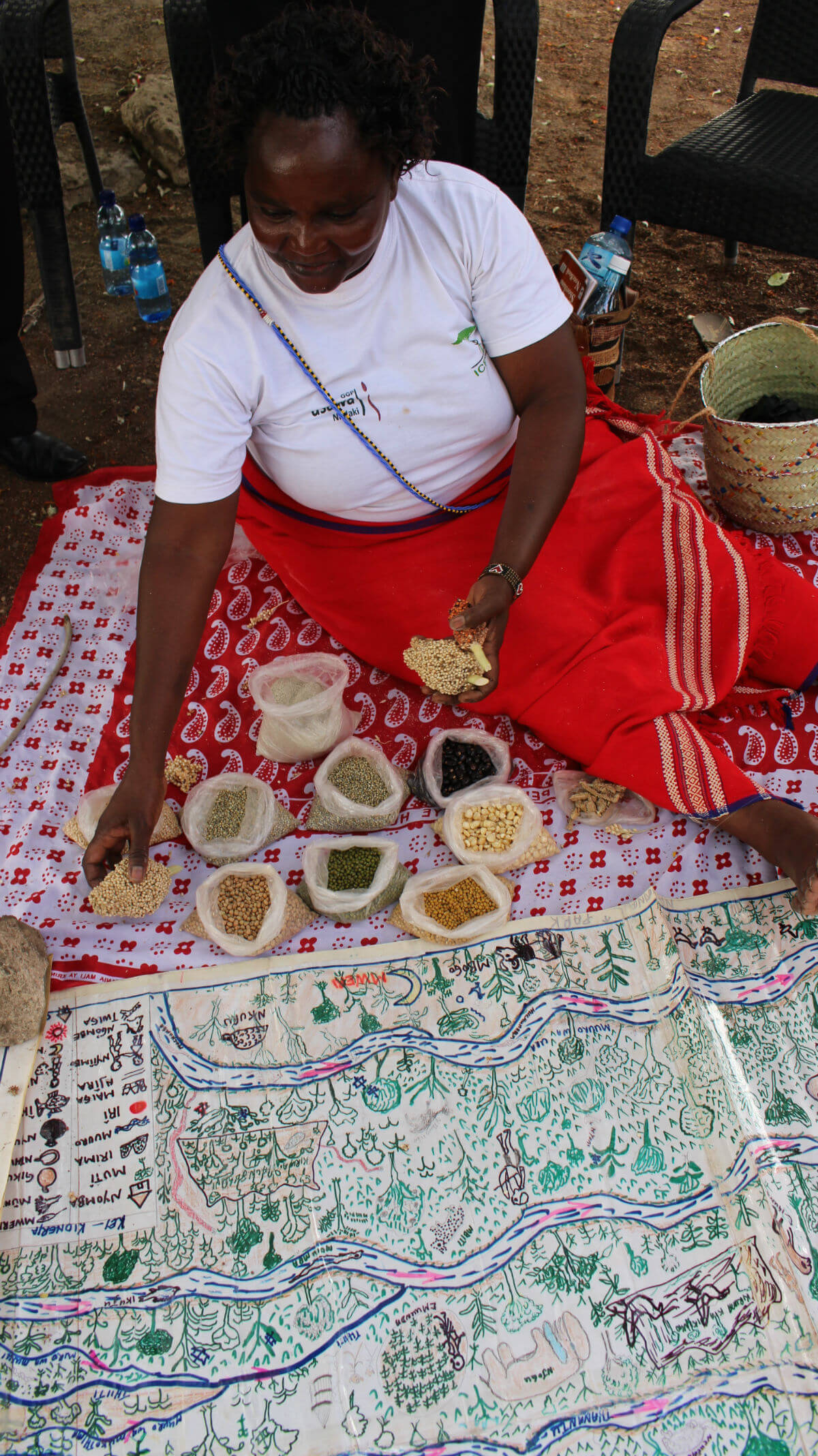
This video captures an exercise whereby the ‘Raika’ pastoralist community in India and the ‘Samburus’ in Kenya were helped to establish their bio-cultural protocols. The protocols document the pastoralist communities’ indigenous knowledge with regards to livestock, and articulate the services they provide towards managing their ecosystems.
In today’s world, as pastoral and other communities struggle to keep their place in the world, such protocols could form the basis of workable pathways to their access and benefit sharing in animal genetic resources for food and agriculture. And that could be crucial to developing sustainable food systems, and achieving food security amid a changing climate.
Produced by: The League for Pastoral Peoples, Lokhit Pashu-Palan Sansthan and Moving Images
Year: 2010
Language: English
Across the world right now, Indigenous peoples are facing a renewed assault on their lands, rights, and ways of life.
From extractive industries pushing deeper into ancestral territories, to governments rolling back hard-won protections,
the threat is global—and it is growing.
What makes this moment especially dangerous is how little attention it receives.
Stories like this are disappearing in real time. Mainstream media
barely covers it and the coverage is fragmented. The public is left without the context
needed to understand what is truly at stake.
That is exactly why IC Magazine exists..
For more than 20 years, IC has reported on Indigenous struggles worldwide — consistently, independently, and without compromise.
We don’t follow news cycles; we trace patterns. We don’t sensationalize; we provide context.
And when the world looks away, we stay focused.
But this work is increasingly difficult to sustain.
We refuse to lock our reporting behind a paywall. We don’t sell access through subscriptions.
And we don’t answer to advertisers. IC Magazine survives solely because readers like you choose to
support independent Indigenous journalism.
Please donate today if you can. Every contribution helps us to continue this crucial work.
Thank you,
John Ahni Schertow
Founder and Editor in Chief