Last Updated on August 30, 2018
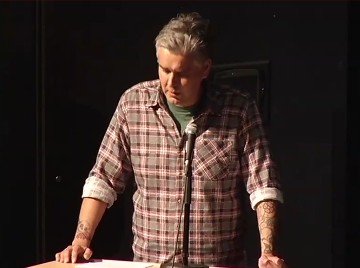
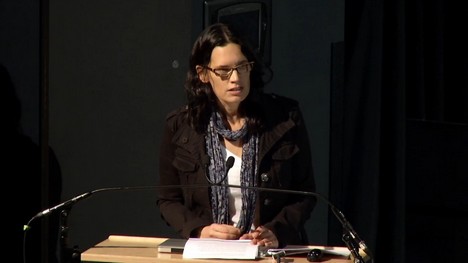
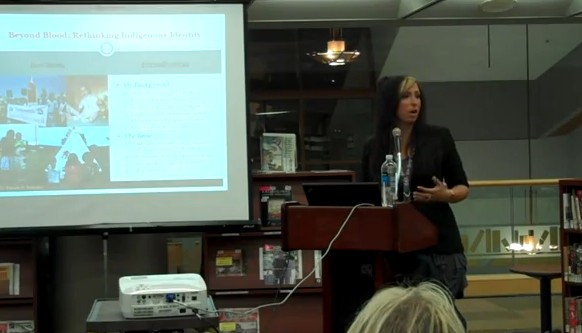
On Friday, October 21, 2011 Dr. Pam Palmater delivered this informative talk about the history of the Indian Act and issues surrounding indigenous identity in Canada.
Pam Palmater argues that the Indian Act’s registration provisions (status) will lead to the extinguishment of First Nations as legal and constitutional entities. The current status criteria contain descent-based rules akin to blood quantum that are particularly discriminatory against women and their descendants.
Beginning with an historic overview of legislative enactments defining Indian status and their impact on First Nations, the author examines contemporary court rulings dealing with Aboriginal rights and the Canadian Charter of Rights and Freedoms in relation to Indigenous identity. She also examines various band membership codes to determine how they affect Indigenous identity, and how their reliance on status criteria perpetuates discrimination. She offers suggestions for a better way of determining Indigenous identity and citizenship and argues that First Nations themselves must determine their citizenship based on ties to the community, not blood or status.
Dr. Palmater, Associate Professor and Chair of Ryerson University’s Centre for Indigenous Governance, discusses the history of the Indian Act, how status is determined, what it means and current issues with status, including gender discrimination. Dr. Palmater was denied Indian status as a Mi’kmaq because her grandmother married a non-Indian.
For more information visit Pam Palmater’s website and her blog.
Across the world right now, Indigenous peoples are facing a renewed assault on their lands, rights, and ways of life.
From extractive industries pushing deeper into ancestral territories, to governments rolling back hard-won protections,
the threat is global—and it is growing.
What makes this moment especially dangerous is how little attention it receives.
Stories like this are disappearing in real time. Mainstream media
barely covers it and the coverage is fragmented. The public is left without the context
needed to understand what is truly at stake.
That is exactly why IC Magazine exists..
For more than 20 years, IC has reported on Indigenous struggles worldwide — consistently, independently, and without compromise.
We don’t follow news cycles; we trace patterns. We don’t sensationalize; we provide context.
And when the world looks away, we stay focused.
But this work is increasingly difficult to sustain.
We refuse to lock our reporting behind a paywall. We don’t sell access through subscriptions.
And we don’t answer to advertisers. IC Magazine survives solely because readers like you choose to
support independent Indigenous journalism.
Please donate today if you can. Every contribution helps us to continue this crucial work.
Thank you,
John Ahni Schertow
Founder and Editor in Chief