Last Updated on November 3, 2012
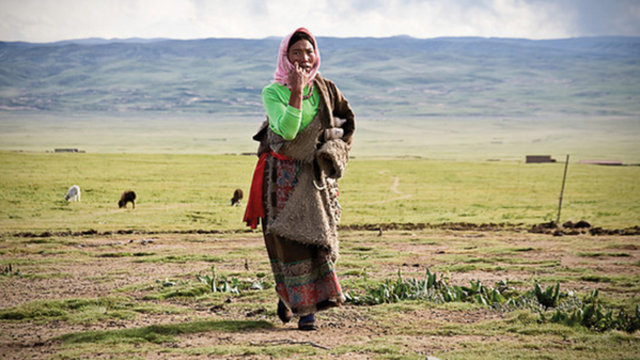
For millennia, Tibetan nomads have lived sustainably on the land and are the guardians of Tibet’s fragile environment. At least 2.25 million – a third of Tibetans – live nomadic or semi-nomadic life, a way of life that is an intrinsic part of Tibetan society.
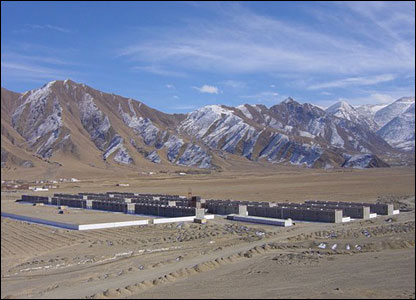
In 1998, China declared that an end to the nomadic way of life would be sought by the end of the century. Although China missed this deadline, efforts intensified and by 2010, 200,000 families, or 1.4 million people, had been settled into ghetto-style housing blocks. Resettled nomads are denied the right to freely determine their own future and coesive settlement offers little economic opportunities causing social and economic problems, including unemployment, alcoholism, and suicide.
History has shown the tragic consequences to communities and traditional ways of life when people are forced off their land. Around the world, people have sworn not to let this happen again, yet the policy China is carrying out right now inside Tibet is a death sentence for Tibet’s nomadic communities.
Tibetans aren’t the only ones being forced into these horrid housing blocks. China is also going after Nomadic Pastoralists in Inner Mongolia and the Xinjiang Autonomous Region. For more information, see our previous story: Inconvenient Truths: De-bunking China’s Plan To Settle Nomadic Populations
Across the world right now, Indigenous peoples are facing a renewed assault on their lands, rights, and ways of life.
From extractive industries pushing deeper into ancestral territories, to governments rolling back hard-won protections,
the threat is global—and it is growing.
What makes this moment especially dangerous is how little attention it receives.
Stories like this are disappearing in real time. Mainstream media
barely covers it and the coverage is fragmented. The public is left without the context
needed to understand what is truly at stake.
That is exactly why IC Magazine exists..
For more than 20 years, IC has reported on Indigenous struggles worldwide — consistently, independently, and without compromise.
We don’t follow news cycles; we trace patterns. We don’t sensationalize; we provide context.
And when the world looks away, we stay focused.
But this work is increasingly difficult to sustain.
We refuse to lock our reporting behind a paywall. We don’t sell access through subscriptions.
And we don’t answer to advertisers. IC Magazine survives solely because readers like you choose to
support independent Indigenous journalism.
Please donate today if you can. Every contribution helps us to continue this crucial work.
Thank you,
John Ahni Schertow
Founder and Editor in Chief