Last Updated on April 9, 2025
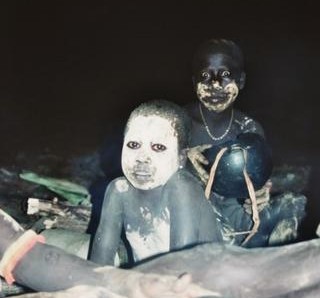
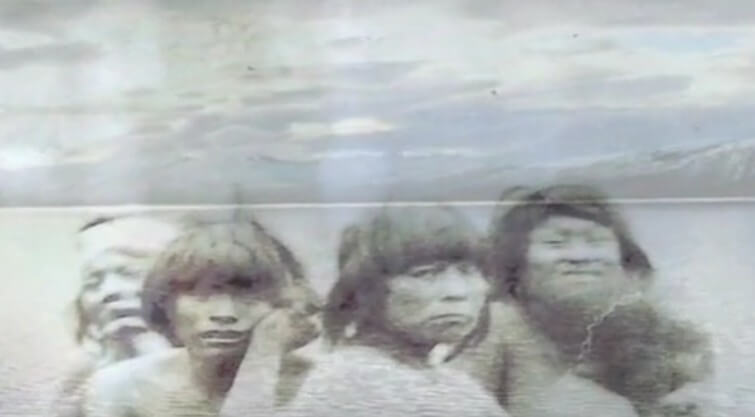
The Mursi tribe resides in the basin of the Omo River, in the east African state of Ethiopia. Mursi women are known for placing large plates in their lower lips and wearing enormous, richly decorated earrings.
Each year, hundreds of Western tourists come to see the unusually adorned Mursi; posing for camera-toting visitors has become the main source of income for them. To make more money, they embellish their “costumes” and finery to appear more exotic to those outsiders. However, by exaggerating their habits and lifestyle in such a manner their traditional culture has begun to disintegrate.
Framing the Other portrays the complex relationship between tourism and Indigenous Peoples by revealing the intimate and intriguing thoughts of a Mursi woman from Southern Ethiopia and a Dutch tourist as they prepare to meet each other. This humorous, yet simultaneously uncomfortable, film shows the destructive impact tourism can have on traditional communities.
Written, Produced and Directed by – Ilja Kok, Willem Timmers
Executive Producer – Keith Bowers
Camera – Yidnekachew Shumete
Editor – Tracy Pallant, Willem Timmers
Sound Design – Robin Fuller
Artwork – Bas van Druten
FRAMING THE OTHER is an I CAMERA YOU productions / Ethiopian Film Initiative co-production.
Across the world right now, Indigenous peoples are facing a renewed assault on their lands, rights, and ways of life.
From extractive industries pushing deeper into ancestral territories, to governments rolling back hard-won protections,
the threat is global—and it is growing.
What makes this moment especially dangerous is how little attention it receives.
Stories like this are disappearing in real time. Mainstream media
barely covers it and the coverage is fragmented. The public is left without the context
needed to understand what is truly at stake.
That is exactly why IC Magazine exists..
For more than 20 years, IC has reported on Indigenous struggles worldwide — consistently, independently, and without compromise.
We don’t follow news cycles; we trace patterns. We don’t sensationalize; we provide context.
And when the world looks away, we stay focused.
But this work is increasingly difficult to sustain.
We refuse to lock our reporting behind a paywall. We don’t sell access through subscriptions.
And we don’t answer to advertisers. IC Magazine survives solely because readers like you choose to
support independent Indigenous journalism.
Please donate today if you can. Every contribution helps us to continue this crucial work.
Thank you,
John Ahni Schertow
Founder and Editor in Chief