Last Updated on June 16, 2014
Published in: Legalbrief Today, Issue No: 1642
A remote northern Ontario Aboriginal community has won the first stage of a controversial legal battle that could have major repercussions for mining and resource extraction operations throughout the province, according to a report on the minesandcommunities site.
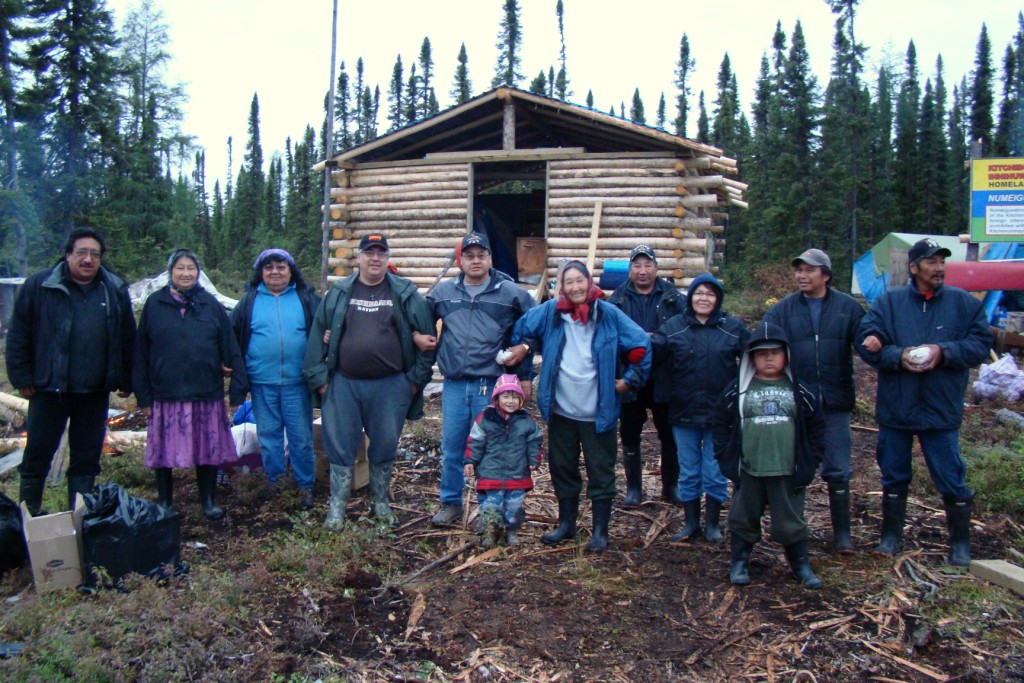
In May, Kitchenuhmaykoosib Inninuwug (KI) launched a lawsuit to counter a $10bn case filed against them by an Ontario mineral exploration company, Platinex, that wants to exploit platinum deposits located within KI’s traditional territory. The landmark decision from Judge GP Smith of the Ontario Superior Court represents one of the most important victories empowering Aboriginal communities in Ontario’s judicial history. The decision states that Platinex is to a large degree the author of its own misfortune and that because of the huge cultural and spiritual importance of the land to the KI people, ‘no award of damages could possible compensate KI’ for losses of these values if development were to occur. With the decision the Court granted KI an injunction, thereby preventing the company from continuing work within KI’s traditional territory. The decision immediately forces the parties back to the table to engage in a consultation process. The parties are to appear before Judge Smith in five months time to report on their progress.
Full report on the minesandcommunities site
Across the world right now, Indigenous peoples are facing a renewed assault on their lands, rights, and ways of life.
From extractive industries pushing deeper into ancestral territories, to governments rolling back hard-won protections,
the threat is global—and it is growing.
What makes this moment especially dangerous is how little attention it receives.
Stories like this are disappearing in real time. Mainstream media
barely covers it and the coverage is fragmented. The public is left without the context
needed to understand what is truly at stake.
That is exactly why IC Magazine exists..
For more than 20 years, IC has reported on Indigenous struggles worldwide — consistently, independently, and without compromise.
We don’t follow news cycles; we trace patterns. We don’t sensationalize; we provide context.
And when the world looks away, we stay focused.
But this work is increasingly difficult to sustain.
We refuse to lock our reporting behind a paywall. We don’t sell access through subscriptions.
And we don’t answer to advertisers. IC Magazine survives solely because readers like you choose to
support independent Indigenous journalism.
Please donate today if you can. Every contribution helps us to continue this crucial work.
Thank you,
John Ahni Schertow
Founder and Editor in Chief