
Last Updated on August 4, 2018
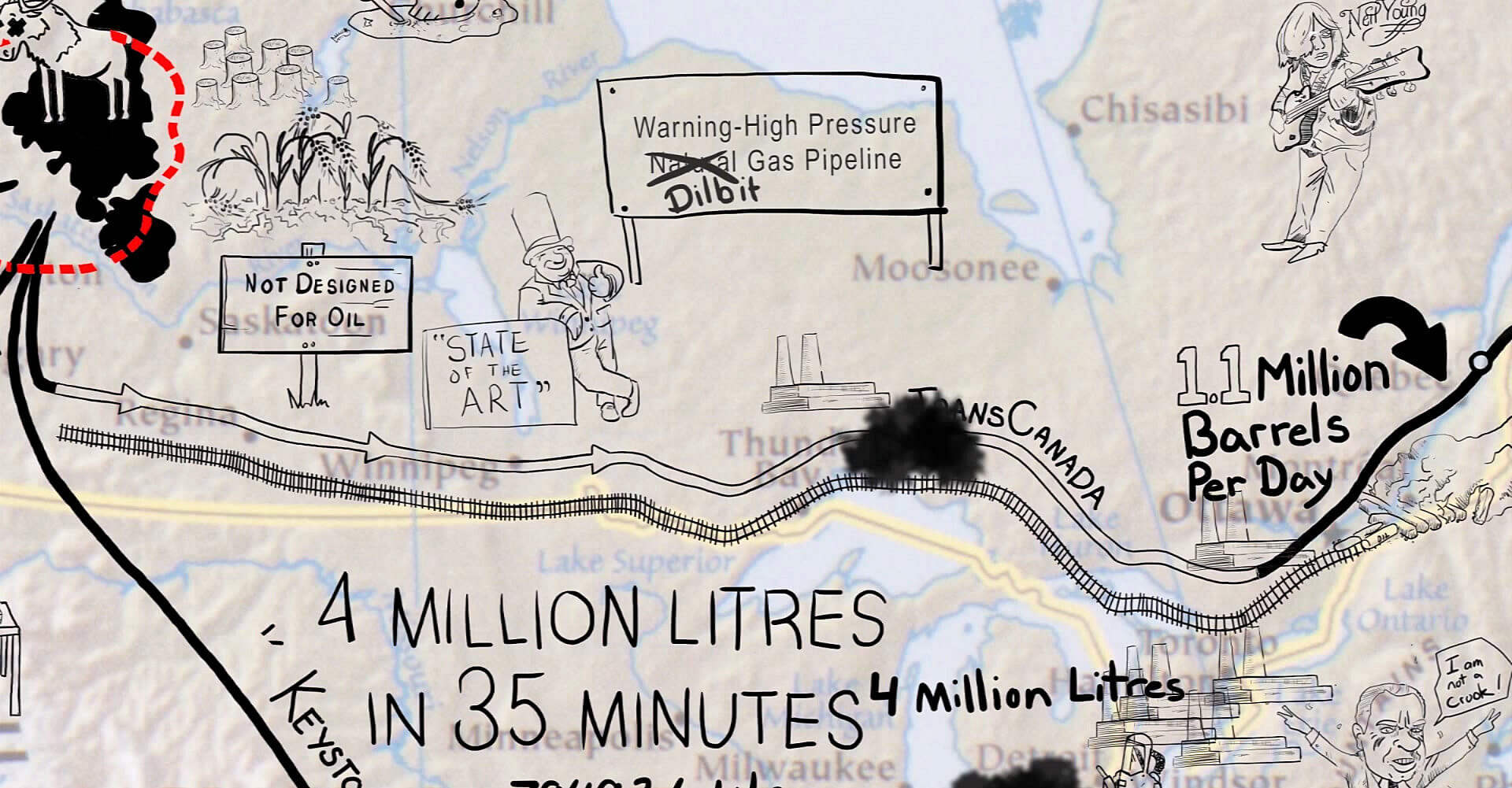
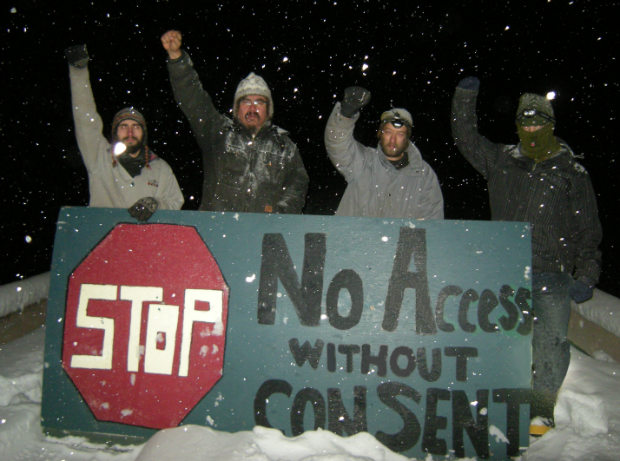
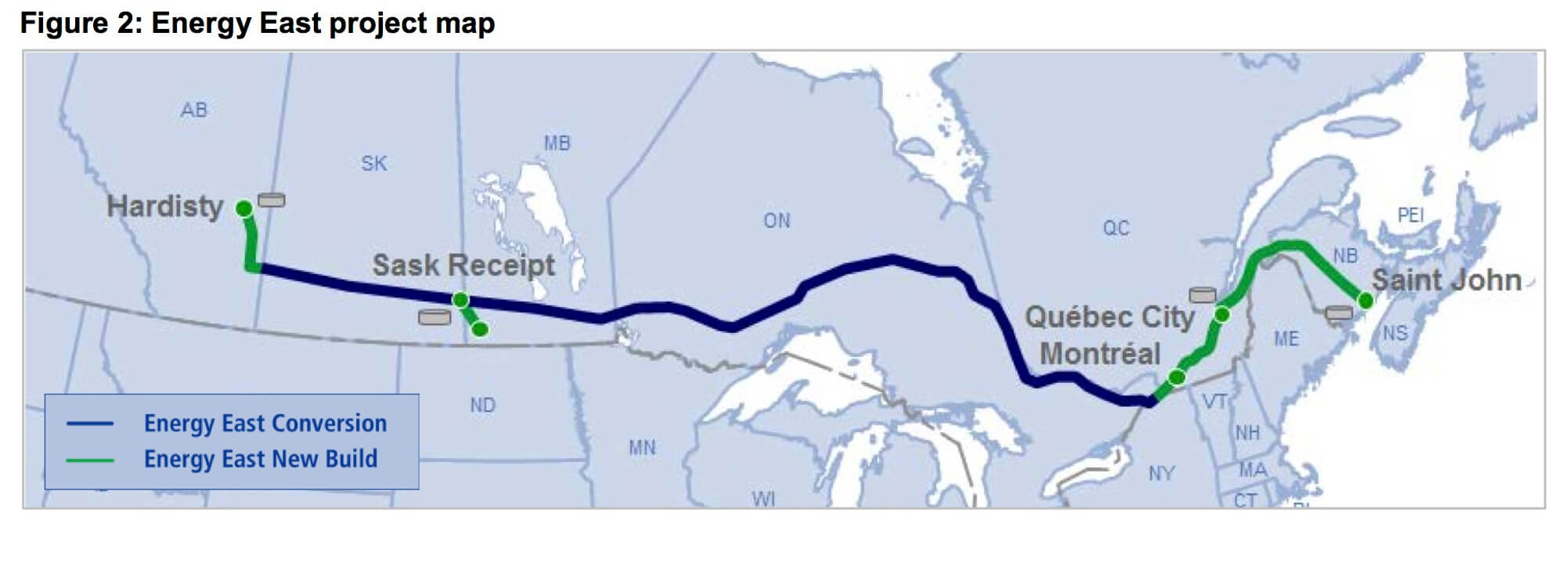
With a new battle emerging over yet another controversial tarsands project–Transcanada’s proposed conversion and expansion of the Energy East pipeline–we here at IC Magazine would like to note the importance of non-indigenous activists, networks and organizations allying themselves with any First Nations that may be affected by the project.
As primary stakeholders whose rights and cultures are inextricably linked to the land, First Nations must play a central role in any organizing and gathering that takes place throughout the effort to stop the project.
All non-indigenous actors, whether paid or volunteer, can engage in a process of consultation with the indigenous stakeholders. This is to avoid the actions of the former having a negative impact on the rights of the latter. Non-indigenous actors can take this even further by obtaining the Free, Prior and Informed Consent of their indigenous neighbors.
At IC Magazine we believe non-indigenous peoples have a moral imperative to adopt such principles. Gone are the days we can afford to do whatever we want, however we want, whenever we want, with little regard for cause or consequence.
The operative word here is righteousness: leading by example, inspite of companies like Transcanada that go to extraordinary lengths to avoid their own obligations Now is the time to step up, to do the necessary work for all the generations ahead. There are no exceptions.
|
Saskatchewan
Piapot First Nation Muskowpetung First Nation Pasqua First Nation #79 Carry the Kettle First Nation Sakimay First Nations Cowessess First Nation Kahkewistahaw First Nation Ochapowace First Nation Ocean Man First Nation Pheasant Rump Nakota First Nation White Bear First Nations Manitoba Birdtail Sioux First Nation Canupawakpa Dakota First Nation Sioux Valley Dakota First Nation Dakota Plains First Nation Long Plain First Nation Dakoto Tipi First Nation |
Ontario
Shoal Lake #40 First Nation Iskatewizaagegan #39 Independent First Nation Obashkaandagaang First Nation Anishinabe of Wauzhushk Onigum First Nation Eagle Lake First Nation Wabigoon Lake Ojibway Nation Lac des Mille Lacs First Nation Fort William First Nation Red Rock Indian Band Biinjitiwaabik Zaaging Anishinaabek First Nation Bingwi Neyaashi Anishinaabek First Nation Animbiigoo Zaagi’igan Anishinaabek First Nation Long Lake No.58 First Nation Ginoogaming First Nation Constance Lake First Nation Taykwa Tagamou Nation Wahgoshig First Nation Matachewan First Nation Temagami First Nation Nipissing First Nation Algonquins of Pikwakanagan First Nation |
Quebec
Timiskaming First Nation Mohawks of Akwesasne First Nation Mohawks of Kanesatake First Nation Mohawks of Kahnawá:ke First Nation Première Nation Odanak Première Nation des Abénakis de Wôlinak Nation Huronne Wendat Première Nation Malecite de Viger New Brunswick Madawaska Maliseet First Nation Tobique First Nation Kingsclear First Nation Saint Mary’s First Nation Oromocto First Nation |
*List Courtesy of the Council of Canadians
Across the world right now, Indigenous peoples are facing a renewed assault on their lands, rights, and ways of life.
From extractive industries pushing deeper into ancestral territories, to governments rolling back hard-won protections,
the threat is global—and it is growing.
What makes this moment especially dangerous is how little attention it receives.
Stories like this are disappearing in real time. Mainstream media
barely covers it and the coverage is fragmented. The public is left without the context
needed to understand what is truly at stake.
That is exactly why IC Magazine exists..
For more than 20 years, IC has reported on Indigenous struggles worldwide — consistently, independently, and without compromise.
We don’t follow news cycles; we trace patterns. We don’t sensationalize; we provide context.
And when the world looks away, we stay focused.
But this work is increasingly difficult to sustain.
We refuse to lock our reporting behind a paywall. We don’t sell access through subscriptions.
And we don’t answer to advertisers. IC Magazine survives solely because readers like you choose to
support independent Indigenous journalism.
Please donate today if you can. Every contribution helps us to continue this crucial work.
Thank you,
John Ahni Schertow
Founder and Editor in Chief